Trump’s Words as a Market Catalyst
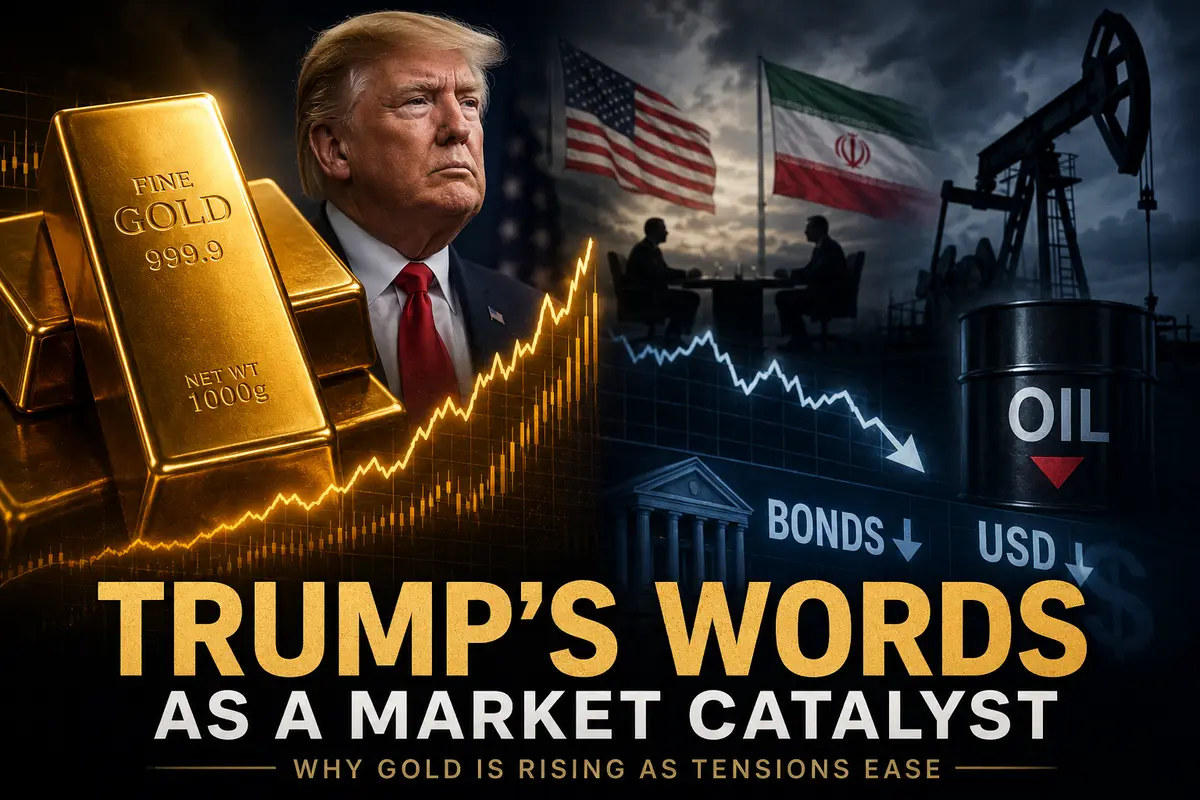
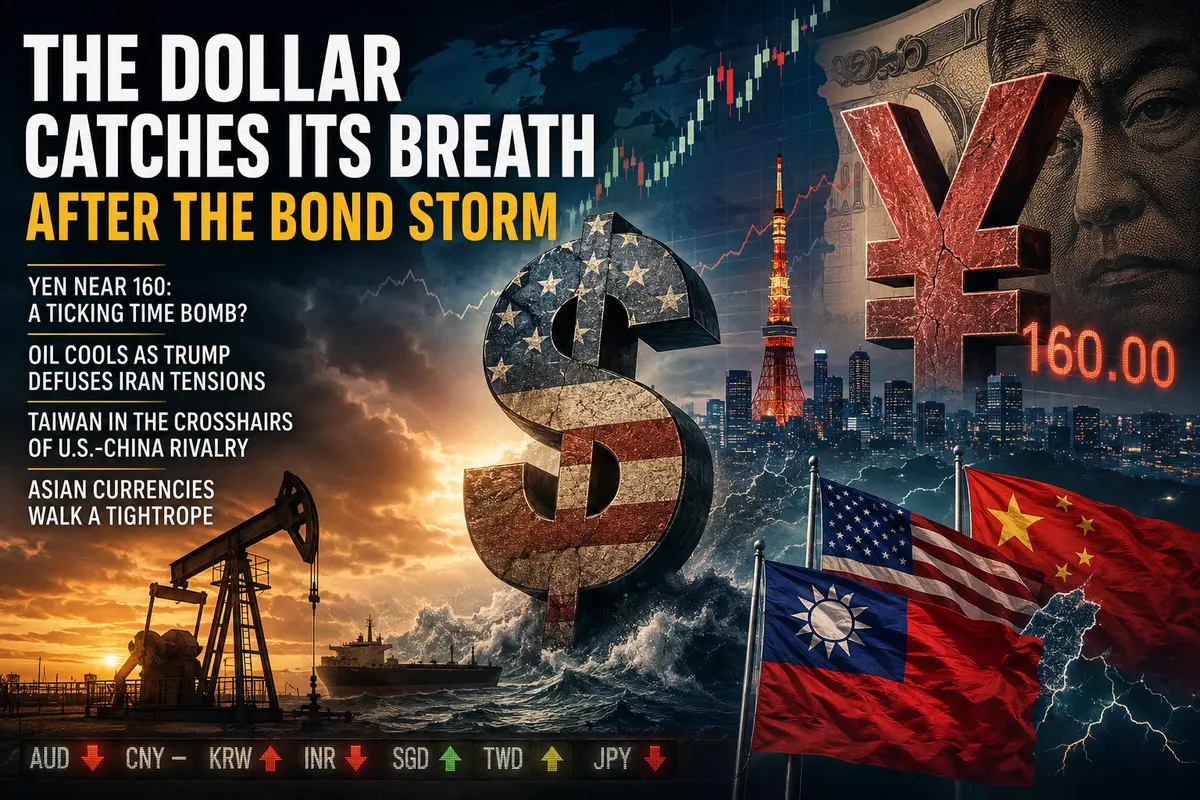
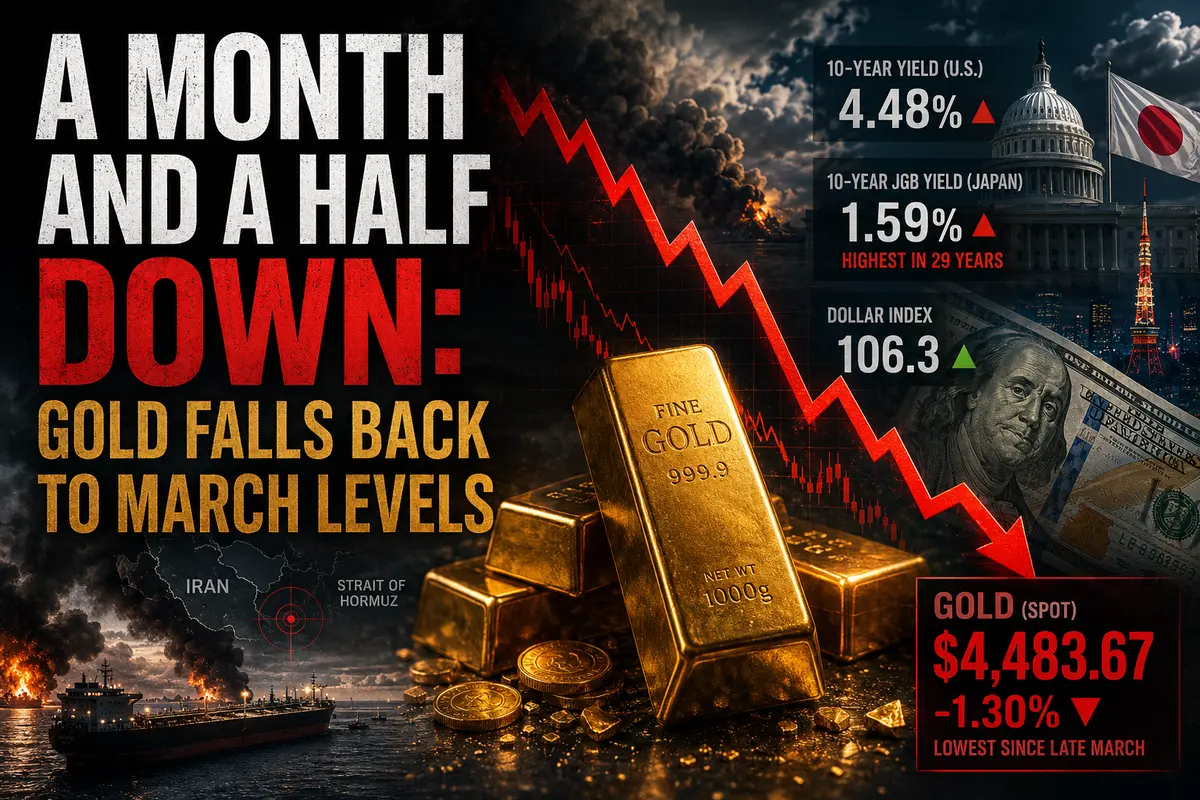
Tuesday began with a cautious but confident rise in the precious metals market. Spot gold gained one tenth of a percent and settled around $4,570 per ounce, while futures climbed three tenths of a percent to $4,574. At first glance, the move looked modest. But behind these numbers stood an event that changed the mood of the entire financial world the previous evening: Donald Trump announced a postponement of the planned strike on Iran and confirmed that negotiations were ongoing.
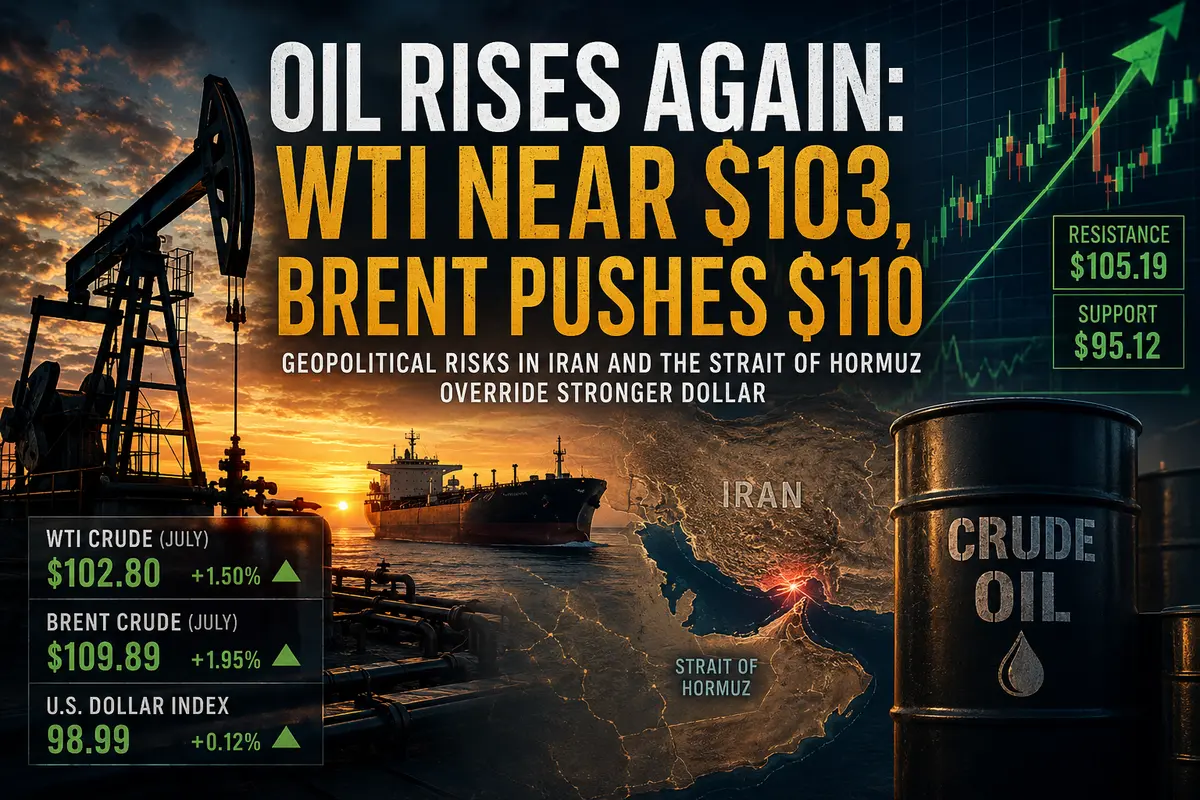
Markets, which for weeks had been pricing in the possibility of a major war in the Middle East, interpreted these remarks as the first real signal of de-escalation in a long time. The reaction was multifaceted: oil moved lower, bonds stopped falling, the dollar weakened, and gold — contrary to the usual logic linking its rise to heightened geopolitical fears — also moved higher. To understand this apparent paradox, it is necessary to look at the mechanics currently driving the precious metals market.
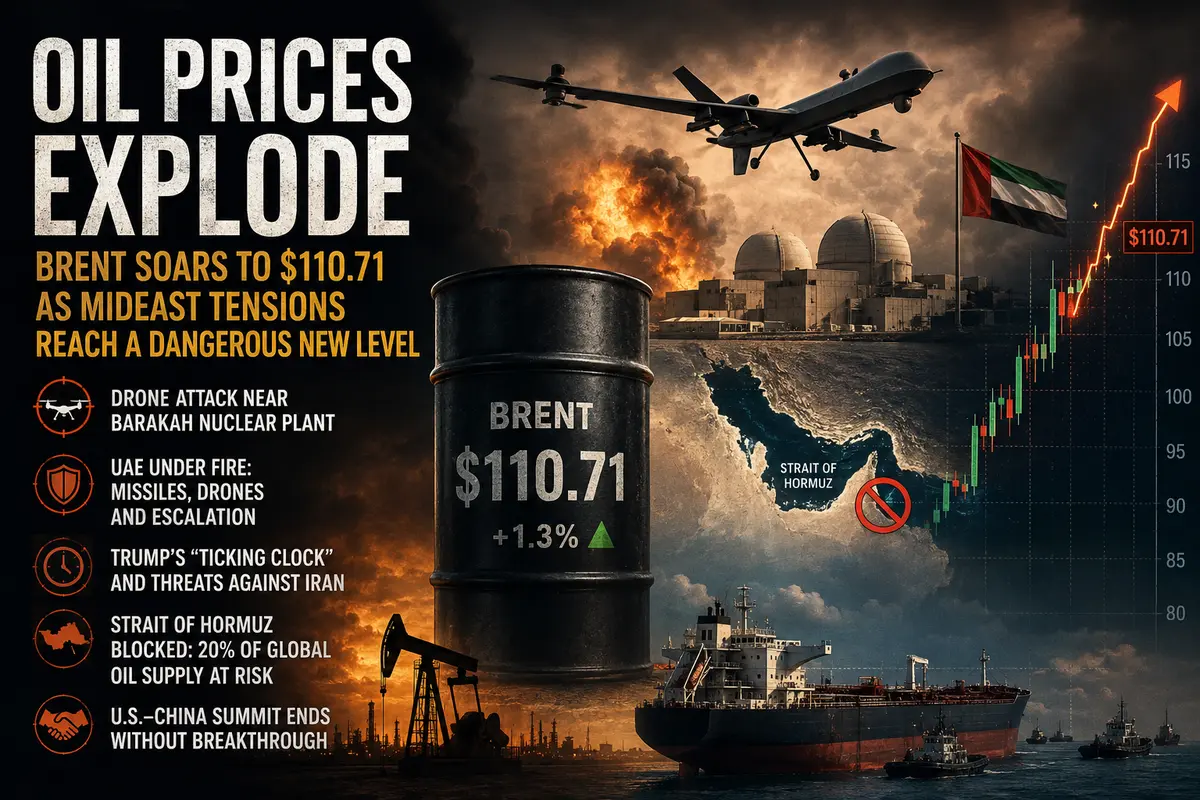
Oil Down, Gold Up: Breaking the PatternNormally, gold and oil move in the same direction when geopolitics is the main driver. War sends oil higher and gold higher. Peace pushes both lower. But Tuesday morning broke this familiar pattern. Oil prices fell sharply after Trump’s comments, while gold rose.
The explanation lies in the fact that gold is currently far more sensitive to the bond market than to geopolitical risk itself. Recent weeks have shown that the metal’s main enemy was not hope for peace, but rising yields. When investors sold bonds on fears that a war with Iran would fuel inflation and force central banks to tighten policy further, yields surged and gold declined. Now that dynamic is beginning to reverse.
Trump’s announcement that the strike was postponed and that serious negotiations were underway sparked...