Bar Pipa
We pay for a post of 10$

Trump

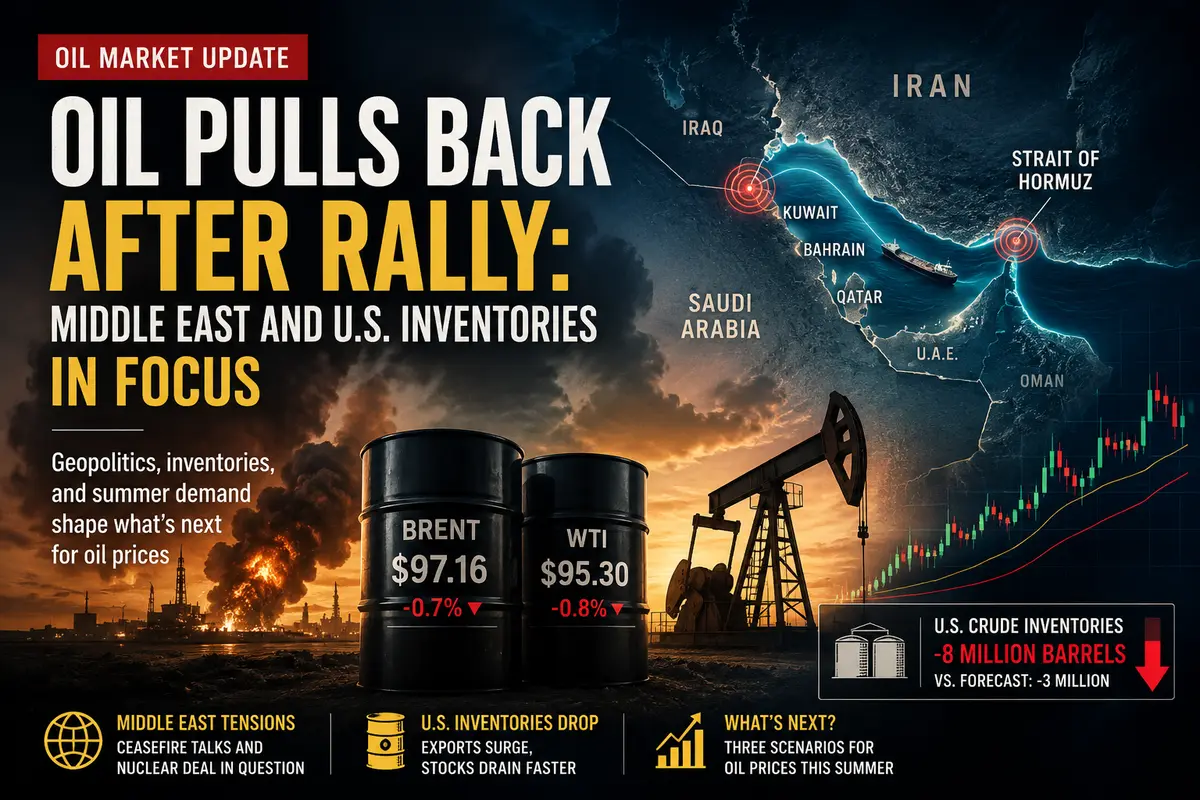
Oil Pulls Back After Rally: Middle East and U.S. Inventories in Focus

Oil Pulls Back After Rally: Middle East and U.S. Inventories in Focus
The Three-Day Holiday Is Over

Thursday began with a reality check for the oil market. After three straight days of gains—delighting bulls, frustrating bears, and forcing traders to revise their models—the market finally saw a correction. A modest one. A measured one. Almost a polite one. But a correction nonetheless.

Brent crude futures, the European benchmark, were down 0.7% on Thursday morning, trading at $97.16 per barrel. Its American counterpart, WTI, slipped slightly more, losing 0.8% to $95.30 per barrel. Prices that would have seemed extraordinary just a week ago now look like business as usual.

Still, this decline is hardly dramatic. It is simply profit-taking. Investors who entered the market last week when prices were 5–7% lower have decided it is time to take some money off the table. They sell, prices fall. Nothing personal—just business.

Yet beneath this routine profit-taking lies something more interesting: risk assessment.

The oil market today resembles a tightrope walker balancing above a canyon. On one side is geopolitical turmoil in the Middle East; on the other are the hard numbers coming from U.S. crude inventories. Both factors are pushing prices higher. But there are forces pulling in the opposite direction as well. More on those shortly.

The Middle East: War, Ceasefire, and a Nuclear Deal

Let's begin with the biggest source of oil market volatility in recent weeks: the Middle East—a region that gave the world agriculture, writing, and seemingly an endless supply of conflict.

Events unfolded at cinematic speed this week.

First came Iranian missile strikes against Kuwait and Bahrain. These small but wealthy Gulf monarchies, accustomed to life under the American security umbrella, suddenly found themselves on the front line. The missiles came from Iran—the United States' primary regional adversary, Hezbollah's main backer, and a perennial source of instability.

Then came...

Continue reading...
0
0

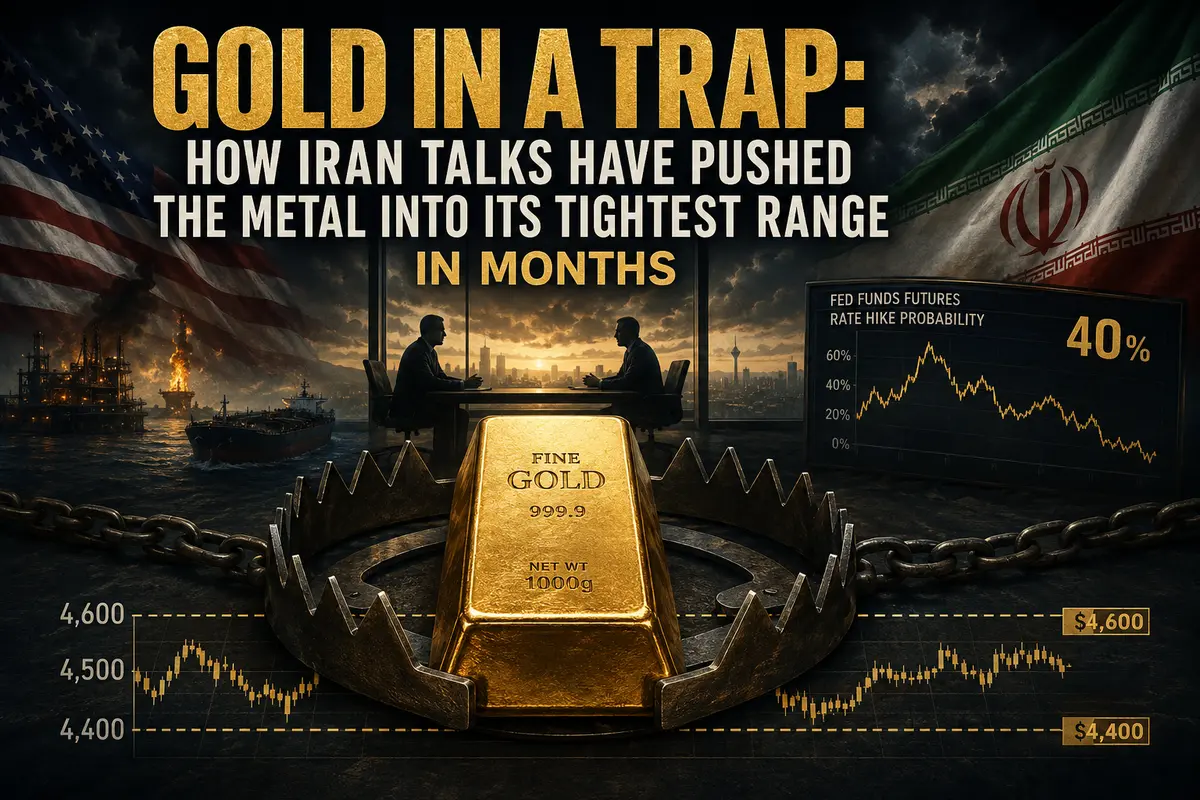
Gold in a Trap: How Iran Talks Have Pushed the Metal Into Its Tightest Range in Months

Gold in a Trap: How Iran Talks Have Pushed the Metal Into Its Tightest Range in Months

Ten days. Ten long days that spot gold has been unable to break out of the range between $4,400 and $4,600 per ounce. For an asset accustomed to swinging hundreds of dollars in a single session, this is an agonizingly narrow corridor. Gold is stuck as if trapped in a vise, with neither bulls nor bears able to move it from dead center.

On Wednesday morning, spot prices edged up a symbolic 0.2% to $4,518. Futures added 0.3%, reaching $4,550. The move is so modest it almost feels embarrassing to call it a rally. Yet beneath this apparent stillness lies a fierce battle between two opposing forces, each pulling gold in its own direction. And the name of those forces is Iran.

Negotiations That Suffocate and Save at the Same Time

The main reason gold cannot decide on a direction is the stream of contradictory signals coming from the peace negotiations between the United States and Iran.

On Monday, U.S. forces struck targets in southern Iran. Gold, as expected, fell. Why did it fall instead of rise? Because the logic of the current conflict has turned traditional market relationships upside down.

Normally, war is fuel for gold. Investors flee risk, buy safe-haven assets, and the yellow metal rises. But this war is different. It has created an energy crisis that accelerated inflation. Inflation, in turn, has forced central banks to threaten higher interest rates. And the threat of higher rates is deadly poison for gold, which yields no interest income.

That is why the bombing of Iran is not pushing gold higher — it is dragging it lower instead. The market fears not the war itself, but its monetary consequences.

At the same time, however, negotiations continue. Diplomats remain at the table, discussing terms and exchanging draft agreements. Every headline...

Continue reading...
0
0

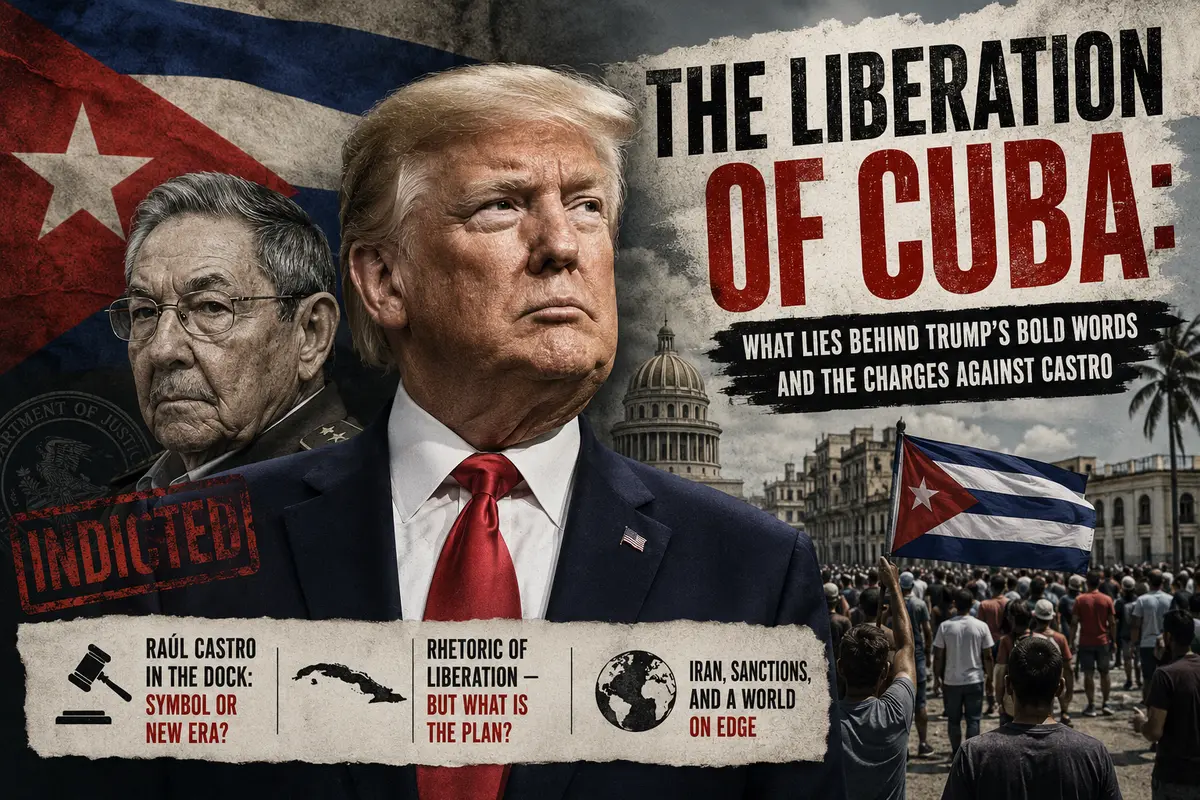
“The Liberation of Cuba”: What Lies Behind Trump’s Bold Words and the Charges Against Castro

“The Liberation of Cuba”: What Lies Behind Trump’s Bold Words and the Charges Against Castro

The White House once again reminded the world on Wednesday that under Donald Trump, foreign policy is, above all, theater. When the president says, “we are liberating Cuba,” the world pauses, trying to understand whether this is the prelude to a military operation, a diplomatic bluff, or another act of political drama aimed at a domestic audience. The statement came only hours after the U.S. Department of Justice announced charges against Raúl Castro — the man who stood at the helm of Cuban power for nearly half a century and who has long symbolized, for successive American administrations, the indestructible enemy just off America’s shores. Yet between the grand rhetoric of liberation and the reality of the Cuban issue lies a vast gap filled with decades of failed attempts, economic embargoes, and geopolitical calculations.

Raúl Castro in the Dock: A Symbolic Gesture or the Beginning of a New Era?

The charges brought against Raúl Castro are difficult both to overstate in importance and to interpret unambiguously. For the American justice system, this is an unprecedented step. Never before has a former Cuban leader of such stature become the subject of a criminal case in the United States. The mere fact that the Department of Justice decided to take this step suggests a tectonic shift in Washington’s approach to the Cuban question. For decades, U.S. policy toward Cuba oscillated between isolation and cautious rapprochement, between embargoes and secret diplomacy. The current administration, however, appears determined to abandon all shades of gray.

Trump called the indictment “a very important moment.” For him, it undoubtedly is. The timing is perfect. Raúl Castro has long stepped away from formal power, handing the reins to a new generation, yet his name still carries enormous symbolic weight. For the Cuban diaspora in Miami — whose votes...

Continue reading...
0
0
Lin Brings

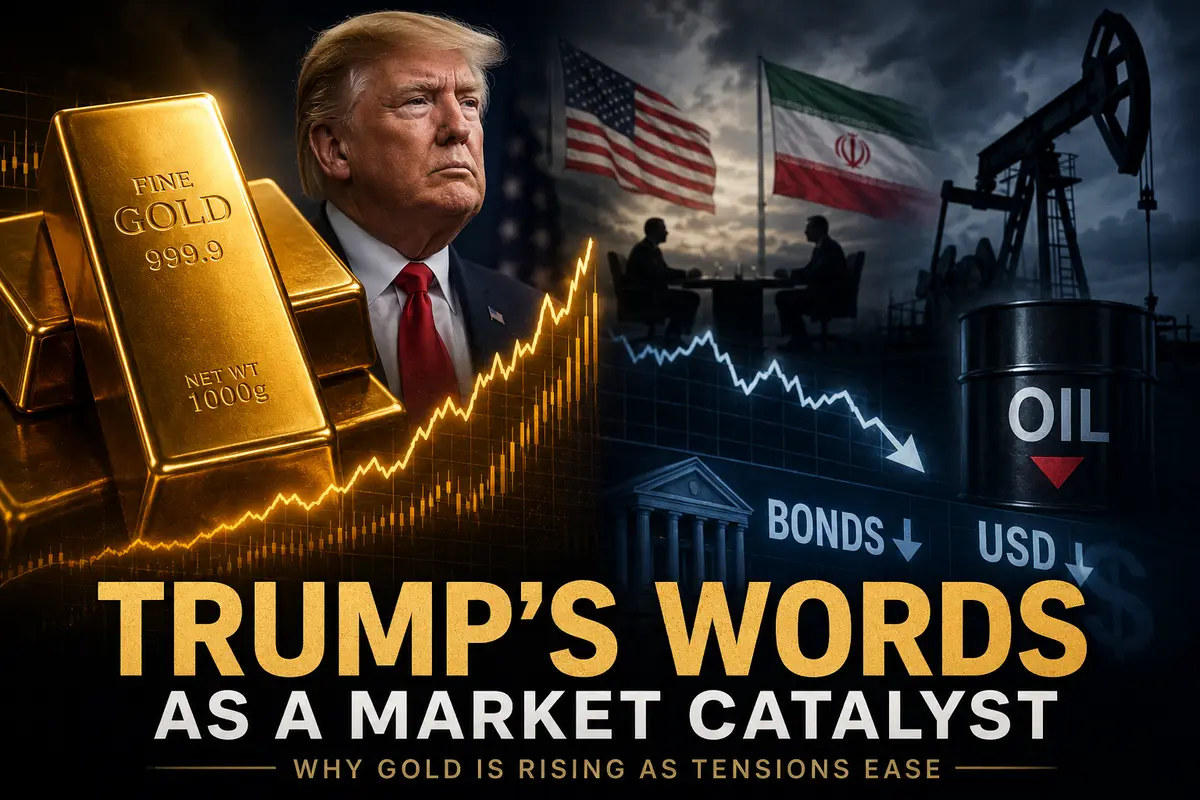
Trump’s Words as a Market Catalyst

Trump’s Words as a Market Catalyst

Tuesday began with a cautious but confident rise in the precious metals market. Spot gold gained one tenth of a percent and settled around $4,570 per ounce, while futures climbed three tenths of a percent to $4,574. At first glance, the move looked modest. But behind these numbers stood an event that changed the mood of the entire financial world the previous evening: Donald Trump announced a postponement of the planned strike on Iran and confirmed that negotiations were ongoing.

Markets, which for weeks had been pricing in the possibility of a major war in the Middle East, interpreted these remarks as the first real signal of de-escalation in a long time. The reaction was multifaceted: oil moved lower, bonds stopped falling, the dollar weakened, and gold — contrary to the usual logic linking its rise to heightened geopolitical fears — also moved higher. To understand this apparent paradox, it is necessary to look at the mechanics currently driving the precious metals market.

Oil Down, Gold Up: Breaking the Pattern

Normally, gold and oil move in the same direction when geopolitics is the main driver. War sends oil higher and gold higher. Peace pushes both lower. But Tuesday morning broke this familiar pattern. Oil prices fell sharply after Trump’s comments, while gold rose.

The explanation lies in the fact that gold is currently far more sensitive to the bond market than to geopolitical risk itself. Recent weeks have shown that the metal’s main enemy was not hope for peace, but rising yields. When investors sold bonds on fears that a war with Iran would fuel inflation and force central banks to tighten policy further, yields surged and gold declined. Now that dynamic is beginning to reverse.

Trump’s announcement that the strike was postponed and that serious negotiations were underway sparked...

Continue reading...
0
0
Tom Maffin

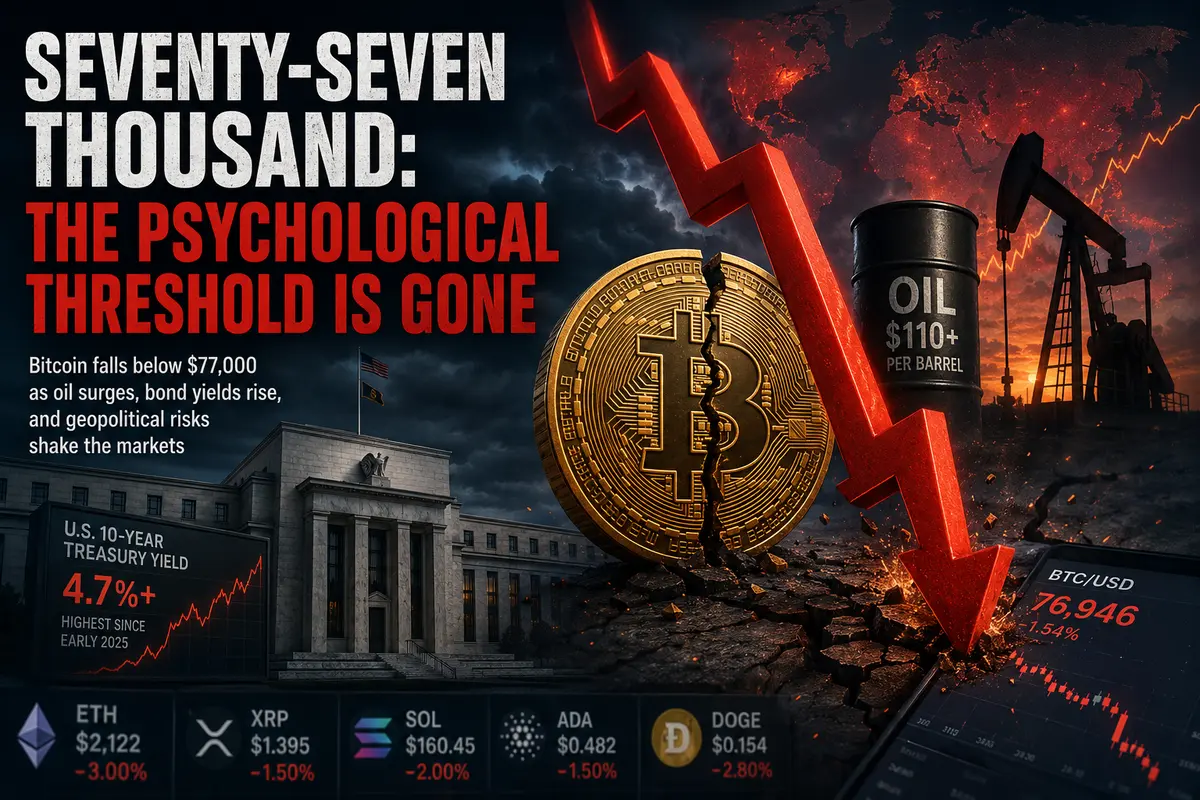
Seventy-Seven Thousand: The Psychological Threshold Is Gone

Seventy-Seven Thousand: The Psychological Threshold Is Gone

Monday began with an unpleasant milestone for Bitcoin. The leading cryptocurrency broke below the seventy-seven-thousand-dollar level and continued sliding lower, trading around $76,946. A one-and-a-half percent daily loss is not particularly dramatic for an asset accustomed to swinging five to ten percent in a single session. But more important than the percentage itself is the fact that this marked Bitcoin’s lowest level since May 1. Nearly three weeks of gains and consolidation were erased in just a few trading sessions.

Just last week, Bitcoin looked promising. It briefly climbed above the eighty-thousand-dollar mark, and bulls had already begun speculating about when the next major psychological level would fall. But the breakout turned out to be false, and the market failed to hold the higher ground. Looking back now, it’s becoming clear that the move above eighty thousand was not the beginning of a new rally, but rather a final burst before a prolonged correction. The crypto market, which only recently was fueled by hopes of imminent monetary easing, has collided with a harsh reality where oil prices are rising, bond yields are climbing, and risk assets are getting crushed.

Oil as the Killer of Risk Appetite

The main trigger behind today’s Bitcoin decline lies far outside the crypto world — in the Middle East and the bond market. On Monday, Brent crude oil surged above $110 per barrel, setting off a chain reaction that rippled across the entire financial universe.

Expensive oil means inflation. Inflation means higher interest rates. Higher rates are deadly for risk assets — and Bitcoin, whether people like it or not, still belongs in that category. Investors are looking at oil prices, headlines about drones over the UAE, and failed diplomatic negotiations with Iran, and drawing a simple conclusion: cheap energy is not coming back anytime...

Continue reading...
0
0
Navigation menu