Goldman Sachs: The U.S. Economy Remains Resilient, but Spending Is Set to Slow
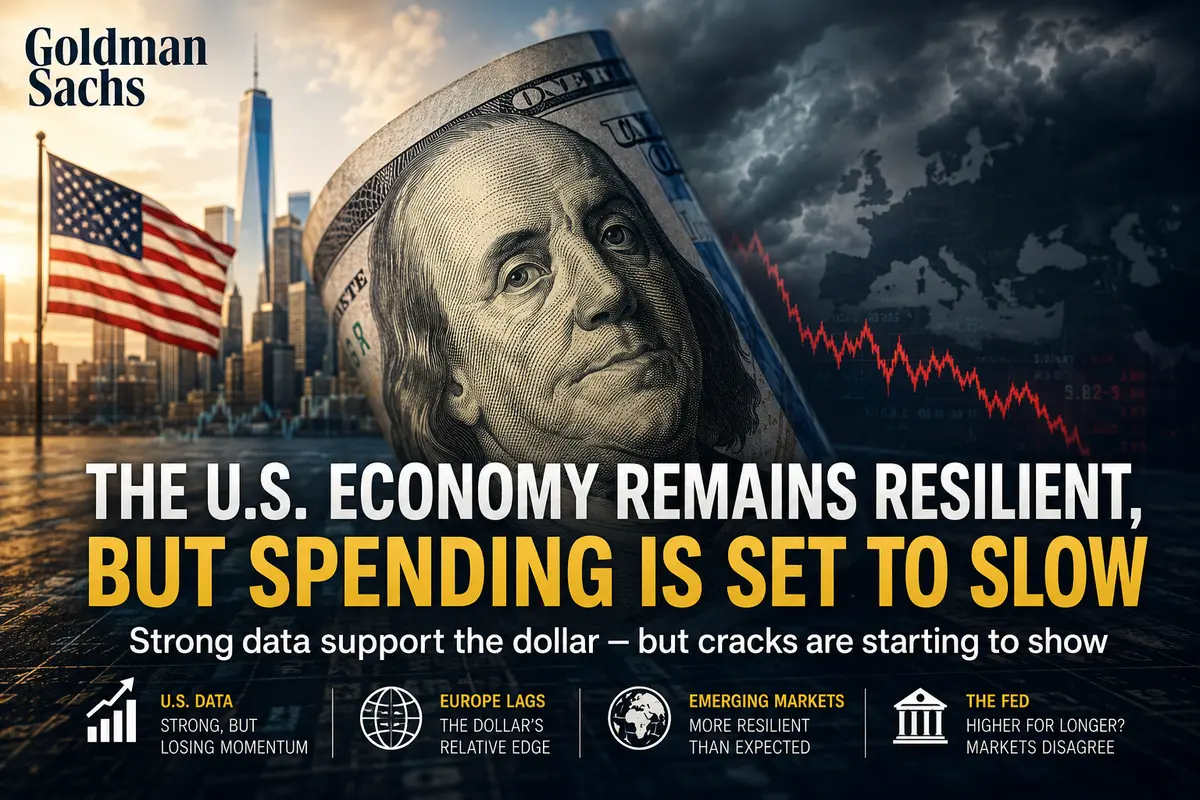
Goldman Sachs, one of the most influential voices in global finance, recently released a detailed assessment of the U.S. dollar and the American economy. The bank’s conclusions are both encouraging and cautionary. On one hand, the U.S. economy continues to demonstrate remarkable resilience. On the other, there are growing signs that this resilience is beginning to show cracks—not fatal or catastrophic cracks, but noticeable ones for those who know how to read between the lines of economic reports and data.
According to Goldman Sachs, the U.S. dollar remains supported by strong economic fundamentals and rising interest-rate expectations. This has been the foundation underpinning the currency for the past eighteen months. However, the bank’s analysts warn that improving global risk sentiment and the resilience of foreign currencies could limit further dollar gains. In other words, the dollar is no longer as attractive as it once was. It remains strong, but its advantage over other currencies is gradually narrowing.
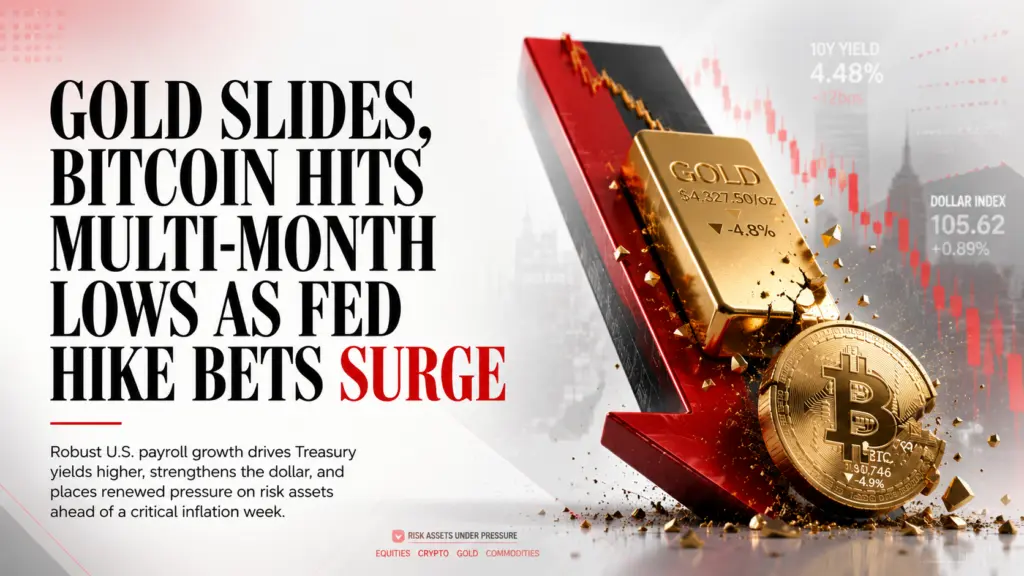
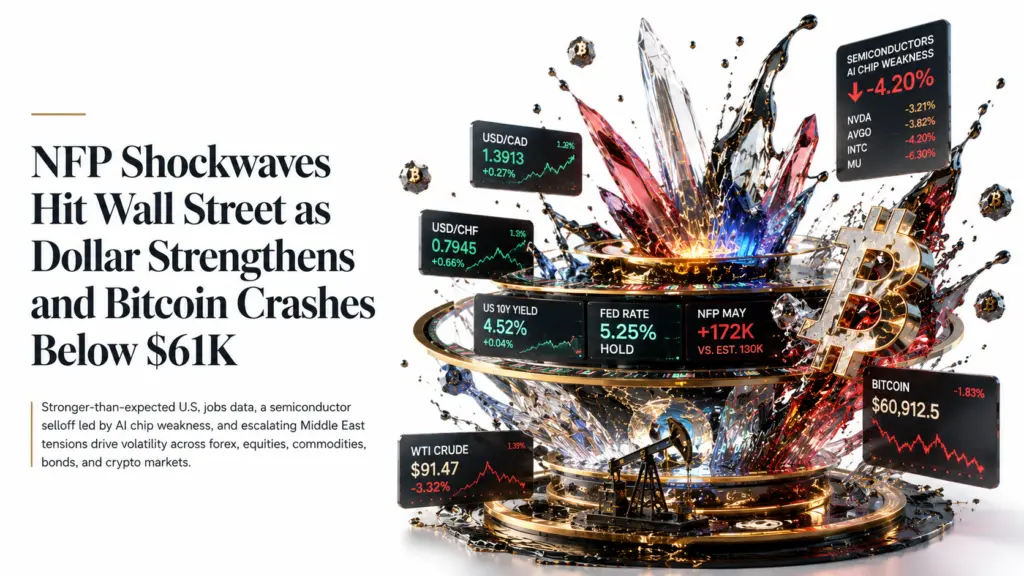
Goldman’s assessment of the latest U.S. economic data is particularly noteworthy. Friday’s employment report exceeded expectations, while resilient ISM business activity indexes pointed to continued economic expansion. Together, these factors support higher Treasury yields and wider interest-rate differentials in favor of the dollar. Europe, Japan, and China continue to lag behind. America remains ahead, and the dollar is reaping the benefits of that leadership.
Yet Goldman also sees the other side of the story. Strong employment and inflation data are positive for the dollar, but they can be negative for equities because they encourage the Federal Reserve to maintain a restrictive monetary stance. And restrictive policy increases recession risk. There is no recession today, but the possibility remains on the horizon—and investors are aware of it.
U.S. Data: Resilience with Signs of FatigueWhat...