Bar Pipa
We pay for a post of 10$

EUR/USD

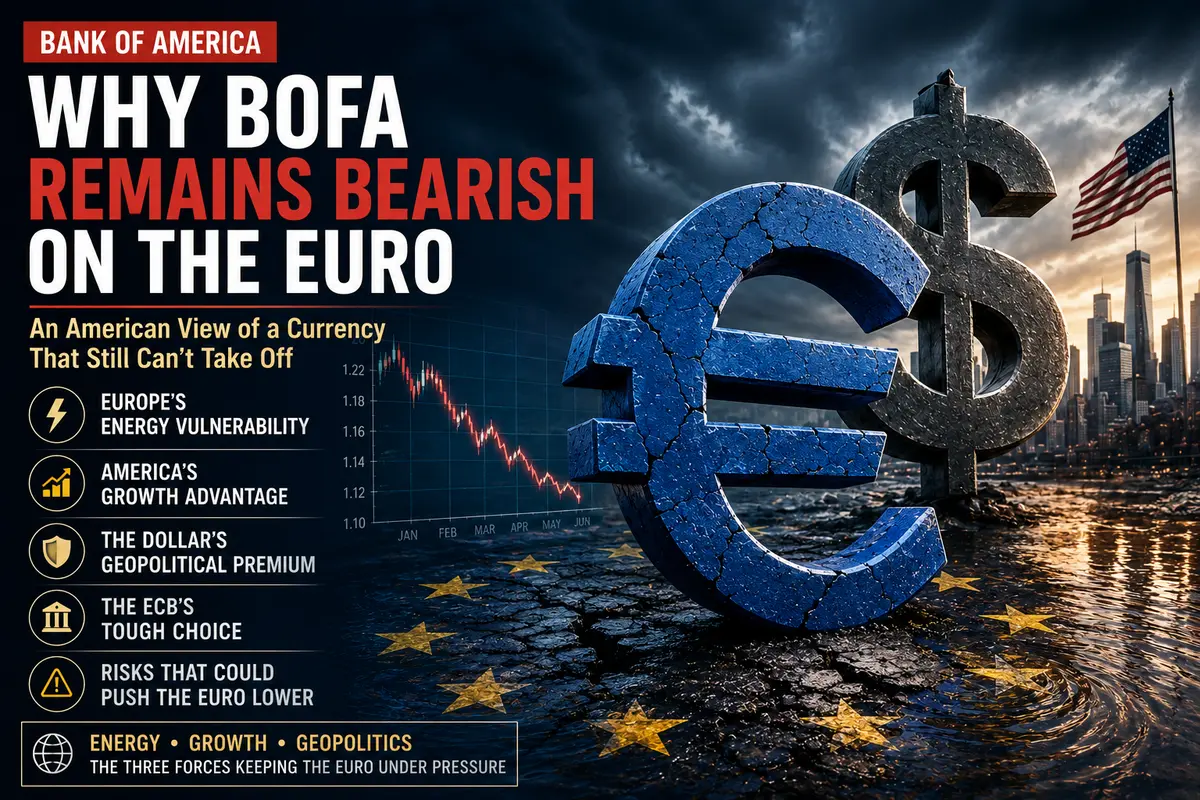
ECB Eve Jitters, Euro Firms on Inflation Data & CAC 40 Steadies Friday, 5 June 2026 | European Session — London Open | Capital Street FX Research Desk

ECB Eve Jitters, Euro Firms on Inflation Data & CAC 40 Steadies Friday, 5 June 2026 | European Session — London Open | Capital Street FX Research Desk

KEY EVENT: ECB Rate Decision — June 11  |  25bp Hike 90% Priced  |  ECB Deposit Rate 2.00%  |  Euro CPI 3.2% (May, highest since late 2023)

EUR/USD 1.1638  ·  EUR/GBP 0.8644  ·  Lead $2,014.51/T  ·  Corn 420.56¢/bu  ·  CAC 40 8,278.1  ·  AstraZeneca £13,150  ·  EU 20Y 3.48%  ·  USDT $1.0001  ·  BNB/USD $594.5


Session Overview — European Markets

Friday's European session opens with an unusual and defining tension: the euro is firming ahead of a rate hike that is already almost fully priced — a reminder that in modern markets, anticipation can both deliver and disappoint. With the European Central Bank's June 11 decision six days away and May eurozone inflation confirmed at 3.2%, the question is no longer whether the ECB will hike, but how hawkish the guidance will be and what comes next.

The macro backdrop is dense. Eurozone inflation rose to 3.2% in May — its highest reading since late 2023, with core at 2.5% and services inflation surging to 3.5%. These data points have pushed money markets to price a near-certain 25 basis-point hike at the June 11 meeting, lifting the ECB deposit rate from 2.00% to 2.25%, with a second hike priced for September and a third increasingly likely before year-end. ECB Governing Council member Isabel Schnabel on Monday added a hawkish note: it is too early to determine the exact number of rate hikes — a deliberate signal that the ECB is not inclined to front-run market guidance. Bank of Italy Governor Fabio Panetta was equally pointed: the forward-looking picture calls for a recalibration to counter the risk of persistent inflationary tensions.

Beneath the ECB narrative, the geopolitical picture remains the dominant risk overlay. Iran hostilities continue to disrupt oil supply chains and push energy-driven inflation across Europe. A conditional Lebanon...

Continue reading...
0
0
Tim Drening

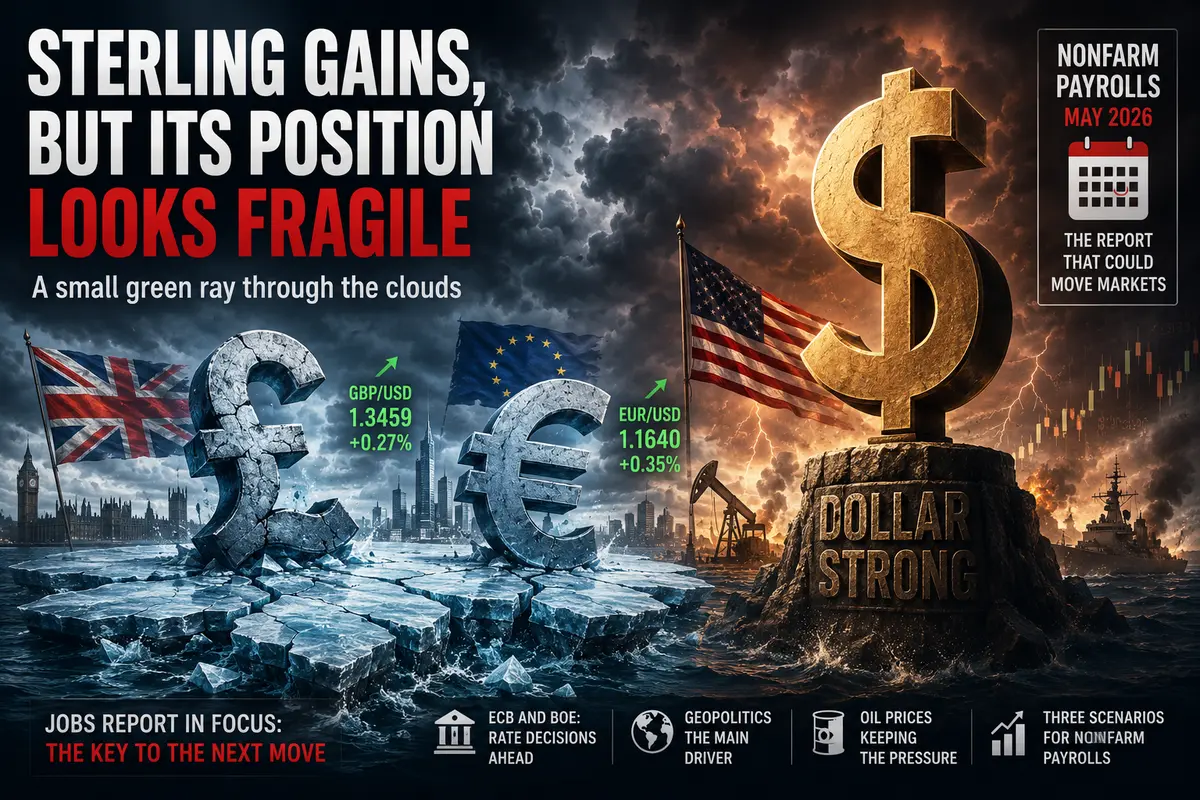
Sterling Gains, but Its Position Looks Fragile

Sterling Gains, but Its Position Looks Fragile
A Small Green Ray Through the Clouds

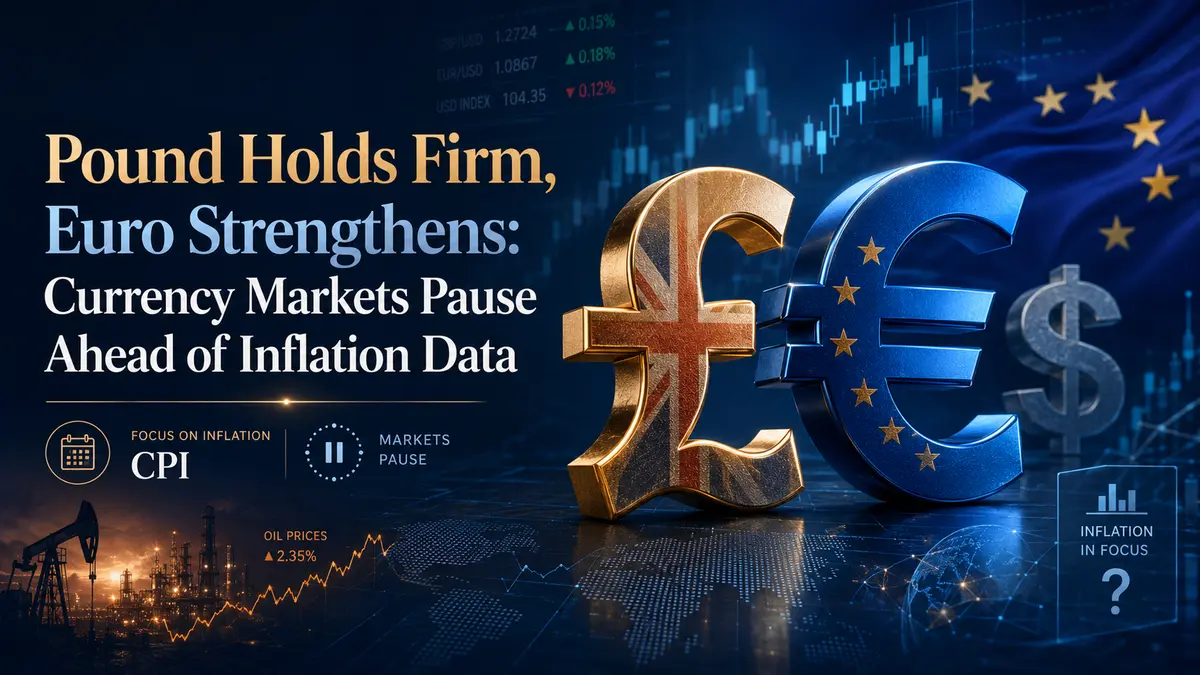
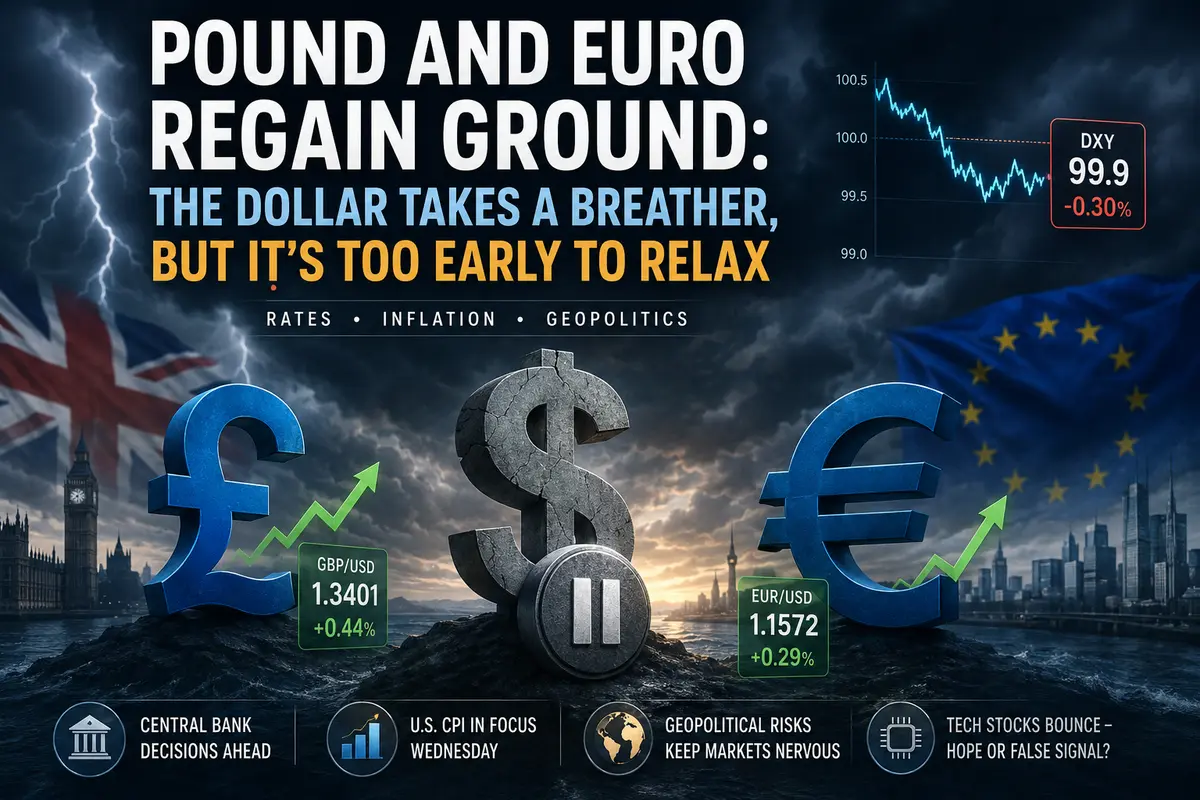
Thursday brought a modest sense of relief to holders of British pounds and euros. After several days in which the U.S. dollar bulldozed its way through virtually every major currency, the market finally paused. Sterling gained 0.27% against the dollar, reaching 1.3459. The euro performed slightly better, rising 0.35% to 1.1640.

These are modest, almost symbolic moves. Yet after the previous day's decline, even such gains felt like a welcome gift.

Still, don't be fooled by the green numbers on the screen. The pound and the euro remain on extremely shaky ground. They resemble a person walking across thin ice—every next step could be the last. The fundamental drivers behind these currencies have not changed. The dollar remains strong. Geopolitical risks remain severe. And economic data from Europe and the UK continue to disappoint.

On Thursday, the dollar merely took a breather. Investors paused ahead of Friday's key event—the U.S. nonfarm payrolls report. This release could either reinforce the dollar's recent momentum or call it into question. Few traders are willing to establish major positions ahead of such uncertainty. As a result, the dollar stood still while the pound and euro managed a modest rebound.

But let's take a closer look. Why does sterling remain so vulnerable? Why is the euro struggling to strengthen despite its gains? And what lies ahead for these currencies after the U.S. employment data is released?

Sterling: Recovering After a Blow

Let's begin with the pound. Thursday's modest rise followed a sharp decline the previous day.

On Wednesday, sterling fell heavily after disappointing UK services-sector PMI data.

The figures were alarming. For the first time in more than a year, the index dropped below the psychologically important 50-point threshold. A reading above 50 signals expansion; below 50 indicates...

Continue reading...
0
0

Invisible Magnets: Where Tuesday’s Option Barriers Could Halt Currency Moves

Invisible Magnets: Where Tuesday’s Option Barriers Could Halt Currency Moves

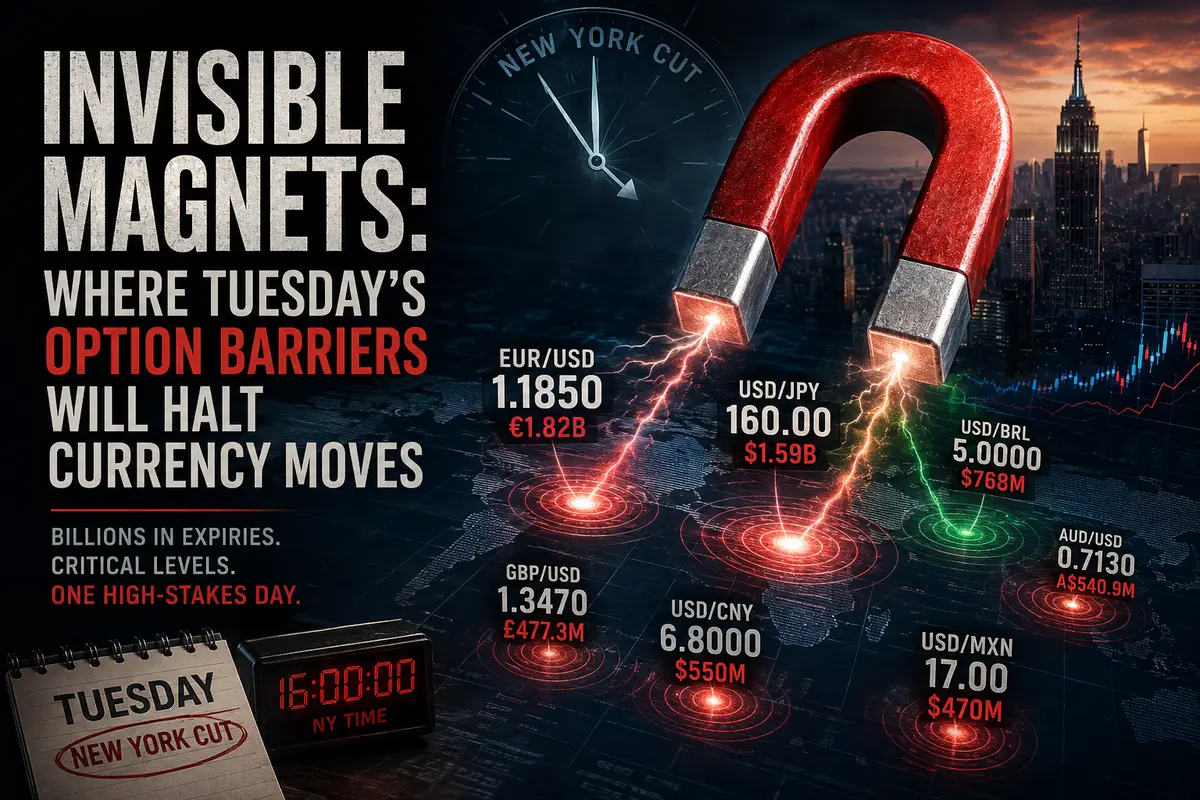
Tuesday’s New York cut. For most people, it’s simply the close of the U.S. trading session. For FX traders, it’s a moment of truth. Options contracts worth billions of dollars are set to expire, and these expiries often exert an almost gravitational pull on spot exchange rates, drawing them toward specific levels. Market makers hedging their positions will do everything possible to keep prices near major strikes. Once the options expire, however, those anchors disappear—and the market may make a sharp move. Let’s look at the key currency pairs and where the traps are set today.

EUR/USD: Nearly €2 Billion at 1.1850

The main magnet for the euro today sits at 1.1850, where options totaling €1.82 billion are due to expire. This is not just a large expiry—it is a gravitational anomaly. The spot rate could be pulled toward this level during the final hours before the New York cut.

Additional anchors include €1.51 billion at 1.1750 and €1.27 billion at 1.1700. Together, these levels create a web of attraction within which the pair may fluctuate. Market makers will actively manage their positions to minimize payouts on expiring contracts. If EUR/USD trades below 1.1850, they may buy euros and push the price higher; if it trades above, they may sell and pull it back toward the strike. This is classic options-related gravity, making sharp moves before expiry less likely.

Notably, an even larger expiry is scheduled for Wednesday: €2.47 billion at 1.1710. This suggests that even after Tuesday’s cut, the market will not gain complete freedom—the next anchor is already waiting.

USD/JPY: 160.00 Is the Red Line

For dollar-yen, the primary magnet is 160.00, where $1.59 billion in options expire. The 160 level is the same red line that triggered large-scale foreign exchange intervention by the...

Continue reading...
0
0
NorthRay

Indices: How I Bought 500 Companies with One Click (and Why I Liked It)

Indices: How I Bought 500 Companies with One Click (and Why I Liked It)

Hi, this is NorthRay.🆕

Remember when I told you I wanted to buy Apple but couldn't because the market was closed?

Then I opened a trade on the SPX (the S&P 500 index). It closed with a small profit.

And that got me hooked.

Because there's something almost magical about indices. You buy one thing—and instantly get exposure to hundreds of companies. You don't have to guess whether Apple will soar or Tesla will fall. You're simply betting on the entire U.S. economy.

Spoiler: I liked it.

Today I'll explain what indices are, how they work, and why I now watch them almost as often as EUR/USD.

What Is an Index? (The Simple Explanation)

An index is a basket of stocks.

Instead of buying 500 individual stocks, you buy one instrument—the index—and it moves according to the average performance of the companies inside it.

Here's a simple analogy:

Imagine you're a teacher. You don't need to know how every student performed on an exam. You only need to know the class average.

If the average score is high, the class did well. If it's low, the class struggled.

An index is basically the average score of a group of companies.

Some companies inside the index may be rising while others are falling. The index shows the overall result.📉

The Most Important Indices in the World

There aren't that many. I learned five of them, and that's enough to get started.

Why Indices Are More Convenient Than Individual Stocks

I've traded both individual stocks (Apple) and indices (S&P 500). Here's what I've learned.

1. Less Stress

A single company can drop 10–20% because of one bad news story: a management scandal, a failed product launch, or a lawsuit.

An index made up of 500 companies is less likely to suffer such...

Continue reading...
0
0

Pound on the Defensive: How Iranian Bombs and Political Calm Put Sterling Back Under the Dollar’s Shadow

Pound on the Defensive: How Iranian Bombs and Political Calm Put Sterling Back Under the Dollar’s Shadow

Thursday brought a dose of reality to the currency market. The pound sterling, which had recently been trying to find footing for a recovery, came under pressure once again. GBP/USD slipped 0.16% to 1.3405. The move itself was modest, but the direction speaks volumes. Sterling is losing what little support it still had and is reverting to a state of near-total dependence on the dollar narrative. Several factors converged at once: geopolitical tensions flared up again, the dollar reclaimed its safe-haven crown, and Britain’s domestic political story—which had provided at least some independent driver for the pound—has largely run out of steam.

Bandar Abbas and the Retaliation: The Escalation Markets Feared

The night between Wednesday and Thursday shattered the fragile balance markets had been trying to build around negotiations with Iran. U.S. forces struck a military facility near Bandar Abbas, the strategically important port city in southern Iran located at the entrance to the Strait of Hormuz. This was not just another airstrike. It targeted the heart of Iran’s logistical infrastructure and a location that oversees access to one of the world’s most critical oil arteries.

Iran’s response was swift. The Islamic Revolutionary Guard Corps launched an attack on a U.S. airbase, describing it as a “serious warning.” This was no longer a defensive maneuver or a limited operation that could be framed as deterrence. It marked a direct escalation, with both sides exchanging blows and each new strike raising the stakes. The ceasefire that diplomats had been discussing only recently now appears little more than a fiction.

Donald Trump added to the picture by ruling out sanctions relief or the unfreezing of Iranian assets. That erased the cautious optimism seen on Wednesday and triggered broad-based demand for the dollar. Francesco Pesole of ING captured the mood succinctly: the market...

Continue reading...
0
0

A Magnet for Exchange Rates: Where the Option Traps Are Set This Wednesday

A Magnet for Exchange Rates: Where the Option Traps Are Set This Wednesday

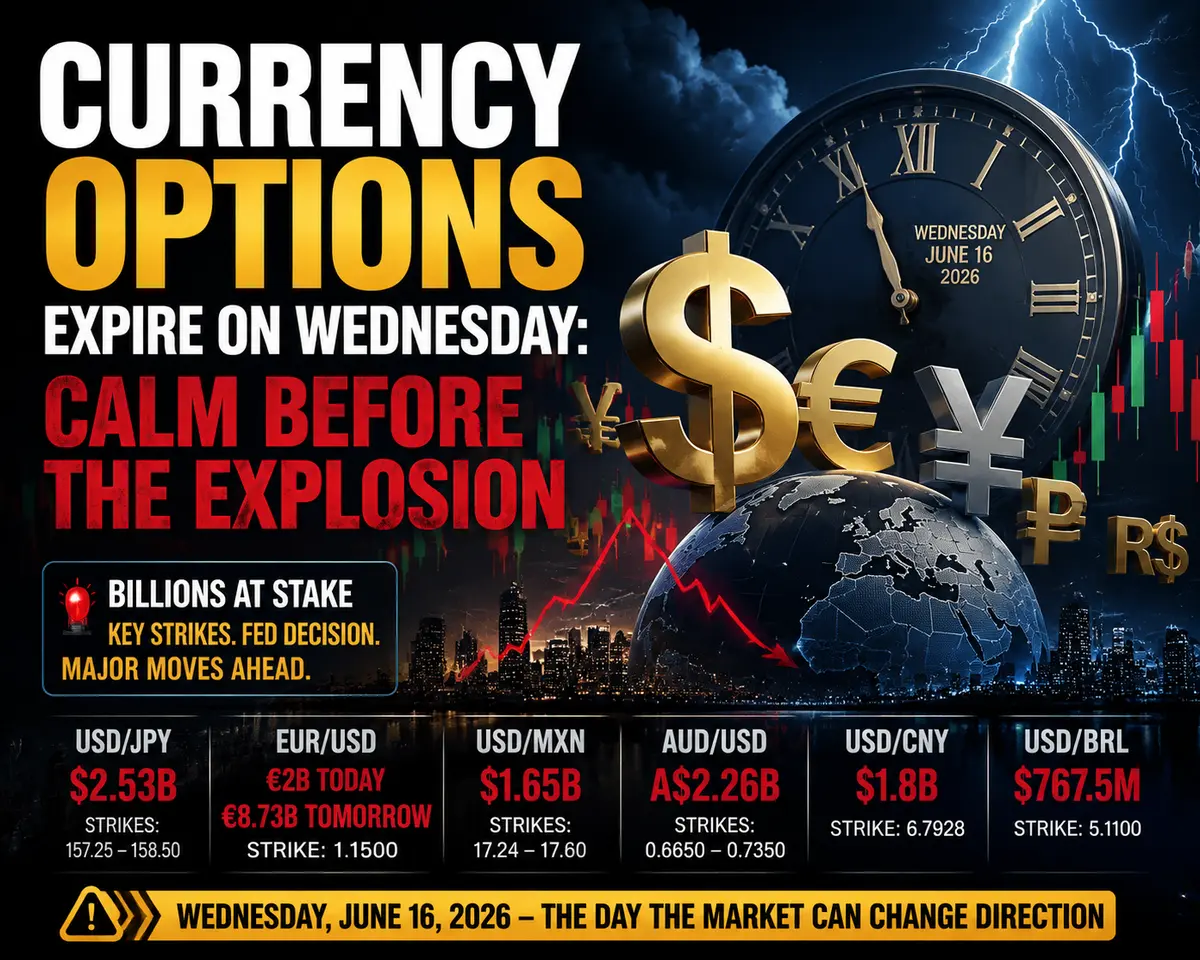
Wednesday, 6 PM. For most people, it’s the hour when attention shifts from work to evening plans. But for currency traders, this moment becomes a point of maximum gravity. Options contracts worth billions of dollars are expiring, and these expiries can pull spot exchange rates toward specific levels with a force that cannot be ignored. Let’s walk through the key currency pairs and see where the traps are set today.

EUR/USD: Nearly €1 Billion at 1.1650

The main magnet for the euro today sits at 1.1650. Options worth a massive €868 million expire at this strike. The spot rate is currently 1.1645 — just five pips away. This means that in the remaining hours before expiry, market makers will do everything possible to keep the pair near this level.

The mechanics are simple: when price approaches a large strike, option holders aggressively hedge their positions, creating artificial gravity. The pair may fluctuate within a narrow range of a few pips around 1.1650, but sharp moves are unlikely.

An additional anchor lies at 1.1640, where €138 million in options expire. This is closer to the current spot price but smaller in size. Most likely, these options will expire without major market impact, though they create extra support just below current levels. If price unexpectedly drops toward 1.1640, buyers may step in and push it back toward the primary magnet zone.

USD/CAD: $328 Million at 1.3805

The largest single options pool today expires in USD/CAD. At the 1.3805 strike, $328 million is concentrated. This is not just a large expiry — it’s a true gravitational anomaly.

The spot rate is 1.3834, slightly above the strike. That suggests the pair could be pulled lower toward 1.3805, as market makers sell USD against CAD to minimize payouts.

Another level sits at 1.4095 with $128...

Continue reading...
0
0
NorthRay

Economic Calendar: Why My Trade Died After the Words “Fed Rate” (and How I Started Looking at It Differently)

Economic Calendar: Why My Trade Died After the Words “Fed Rate” (and How I Started Looking at It Differently)

Hi, this is NorthRay.🎉

Remember when I told you about the time I opened a trade, and an hour later the price suddenly shot in the opposite direction — and I had no idea why?

I sat there staring at the chart thinking:

“What just happened? Did someone drop a nuclear bomb? Has the market gone insane?”

Then I checked the news.

Turns out that exact same hour, the head of the U.S. Federal Reserve (Fed) said a couple of sentences about interest rates.
The market reacted.
My trade died.

That was the first time I heard about the economic calendar.

And I realized: opening trades blindly without knowing what news is coming out today is like walking through a minefield blindfolded.🧐

What Is an Economic Calendar? (In Simple Words)

An economic calendar is a schedule of all major economic events around the world.

When the U.S. unemployment report comes out.
When the European Central Bank announces interest rates.
When Germany publishes industrial data.
When world leaders make important agreements.

All of it is in the calendar.

Simple analogy:

Imagine you want to cross the street. You look at the traffic light.
Green — you walk.
Red — you stop.

The economic calendar is your traffic light. It tells you:

“Be careful now, an important report is coming out.”
Or:
“The market is calm right now, it’s okay to trade.”

Without a calendar, you’re crossing the street with your eyes closed.
Maybe you’ll get lucky. Maybe not.🧠

Why News Affects the Market So Much (I Learned This the Hard Way)

The market is not just a chart. It’s people. Millions of traders around the world.

They read the news.
And they make decisions.

Good economic news → people buy the country’s currency → price goes up.

Bad news → people...

Continue reading...
0
0

Price Magnet: How Tuesday’s Option Expiries Could Pull Currency Rates

Price Magnet: How Tuesday’s Option Expiries Could Pull Currency Rates

Tuesday, 6:00 PM Moscow time. For most people, it’s just another hour when the workday winds down and thoughts shift toward home. But for FX traders, this moment marks a point of maximum tension. At the New York cut, option contracts worth billions of dollars across major currency pairs will expire. And these expiries are not just accounting entries. They are a force capable of pulling spot exchange rates toward specific levels in the final hours before expiration — like a magnet drawing in iron filings. Let’s go through the major pairs and see where the traps are set.

EUR/USD: A Narrow Corridor Around 1.16

Two significant option clusters are expiring in euro-dollar. The first is €140 million at the 1.1640 strike. The second is €122 million at 1.1625. At the time the data was recorded, the spot rate stood at 1.1628 — right between the two expiry levels.

This is no coincidence. It’s a classic situation where option barriers create an invisible corridor in which price can remain trapped until the cut.

The mechanics are straightforward. Large option holders — banks and market makers — hedge their exposure. If they sold options at 1.1640, then as price approaches that level they are likely to sell euros to protect themselves from potential losses. Those flows create artificial resistance. The same mechanism works in reverse at 1.1625: as price falls toward that strike, market makers buy euros, creating artificial support.

As a result, the exchange rate becomes squeezed in a vice, and breaking these levels ahead of expiry becomes extremely difficult unless some overwhelming news shock hits the market.

USD/JPY: A Quarter Billion at 159.5

Dollar-yen looks even more intriguing. Options worth $231 million expire at the 159.50 strike. Another $240 million sits at 159.25. The spot rate is currently 159.26...

Continue reading...
0
0
Navigation menu