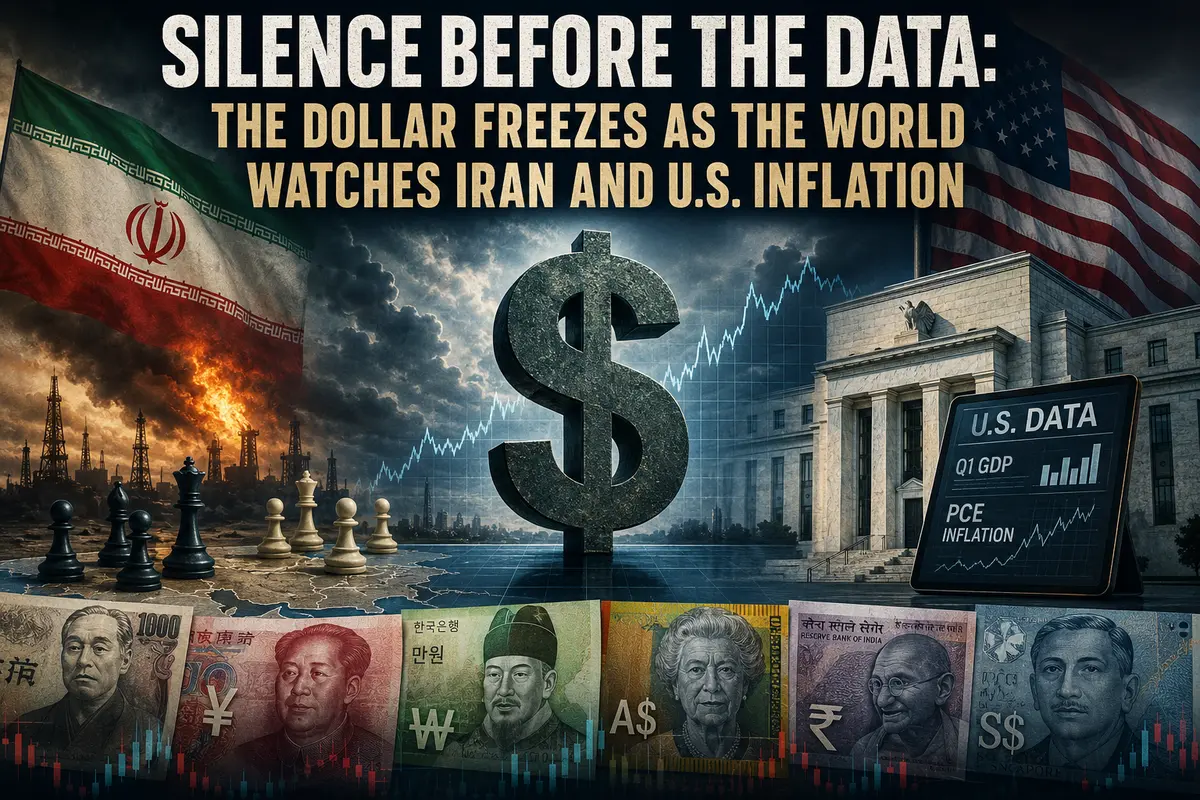
Asian Currencies Hold Steady as the Middle East and Oil Take Center Stage

Tuesday: Dollar Reaches a One-Week High
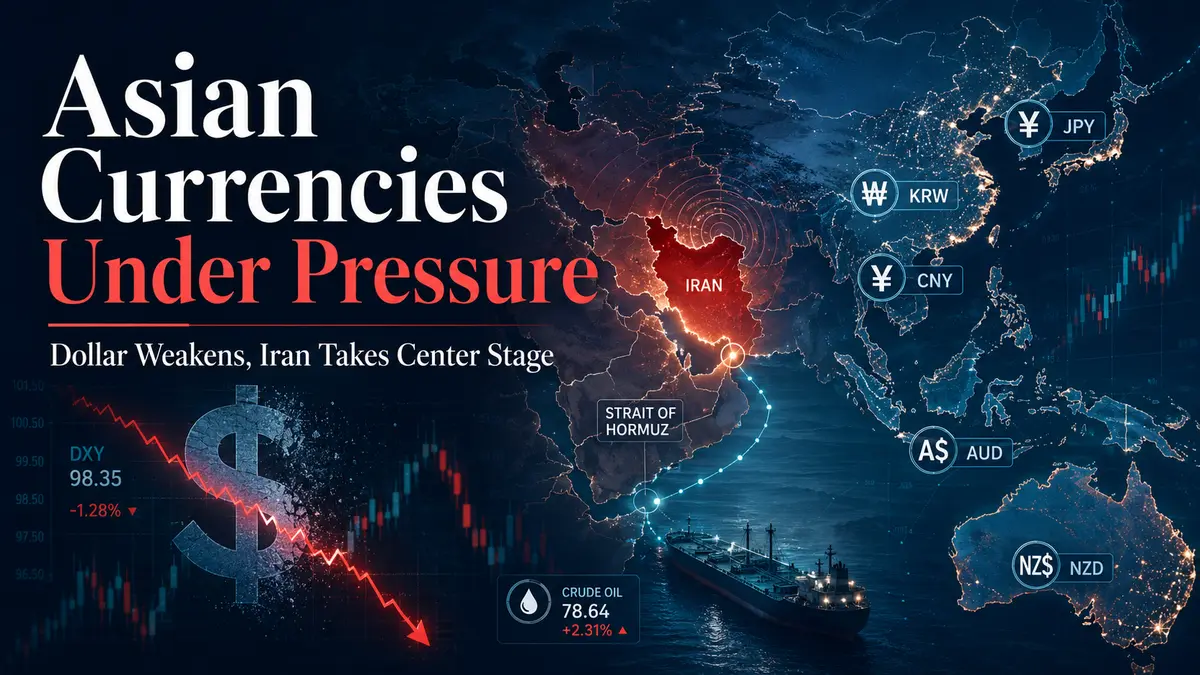
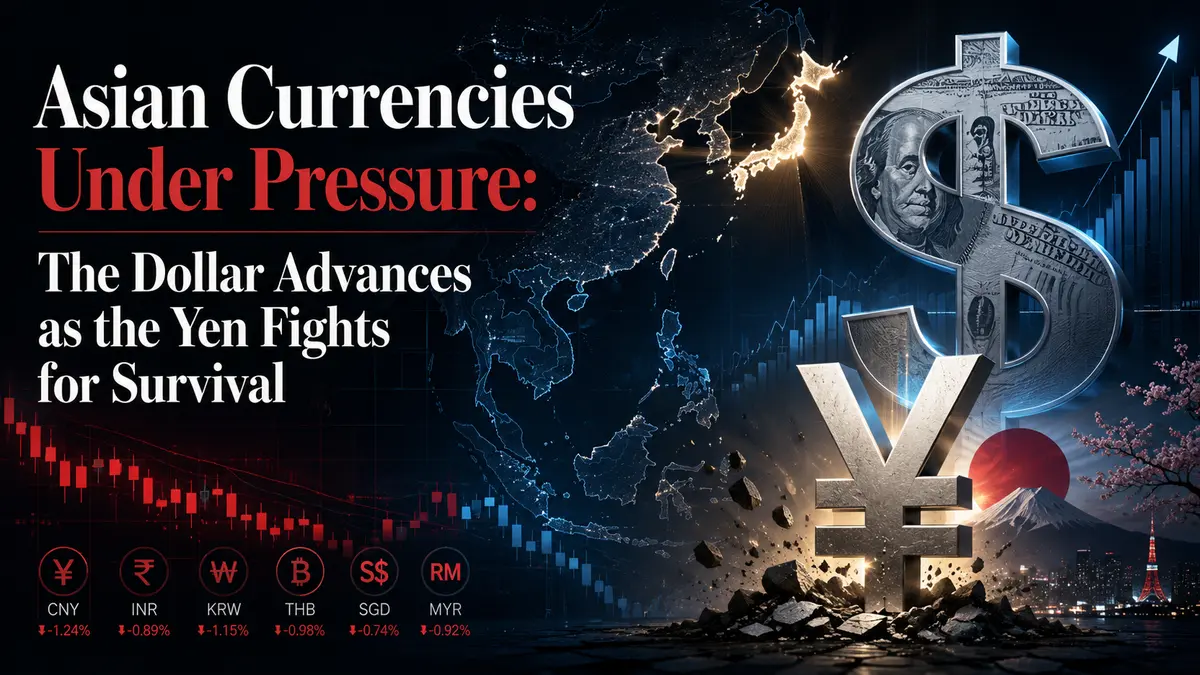
Tuesday’s 21.07.2026 Asian currency trading was marked by caution. Most regional currencies remained confined to narrow trading ranges, unwilling to make a decisive move in either direction. Investors faced a difficult choice: on the one hand, the escalating conflict in the Middle East was pushing the dollar higher as a safe-haven currency; on the other, hopes for a diplomatic resolution prevented it from strengthening too sharply.
The U.S. Dollar Index rose to 100.99, its highest level since July 15. This appreciation was not driven by strong U.S. economic data or hawkish signals from the Federal Reserve. It was purely a geopolitical risk premium. In a world where military action is expanding with each passing day, the dollar remains one of the most reliable assets.
However, the dollar’s strength is putting pressure on Asian currencies. Energy-importing countries are particularly vulnerable: the rise in oil prices observed over the past several days is worsening their trade balances and creating additional inflationary pressure. For countries forced to purchase expensive oil on global markets, this represents a serious challenge. Their central banks now face a dilemma: raise interest rates to combat inflation and the risk of currency depreciation, or maintain accommodative policies to support economic growth.
Middle East Conflict: Ninth Consecutive Night of Strikes
The escalating conflict between the United States and Iran remains at the center of attention. U.S. Central Command confirmed the completion of a ninth consecutive night of airstrikes against Iranian targets. The strikes targeted command centers, missile and drone launch sites, and maritime infrastructure.
However, the most alarming development occurred on another front. The Iran-backed Houthi movement in Yemen announced a naval blockade of Saudi Arabia. This means that energy supplies passing through the Red Sea and the Bab el-Mandeb Strait could be disrupted....