
Gold at a Crossroads: An Iran Ceasefire Beckons, but Inflation Keeps a Tight Grip
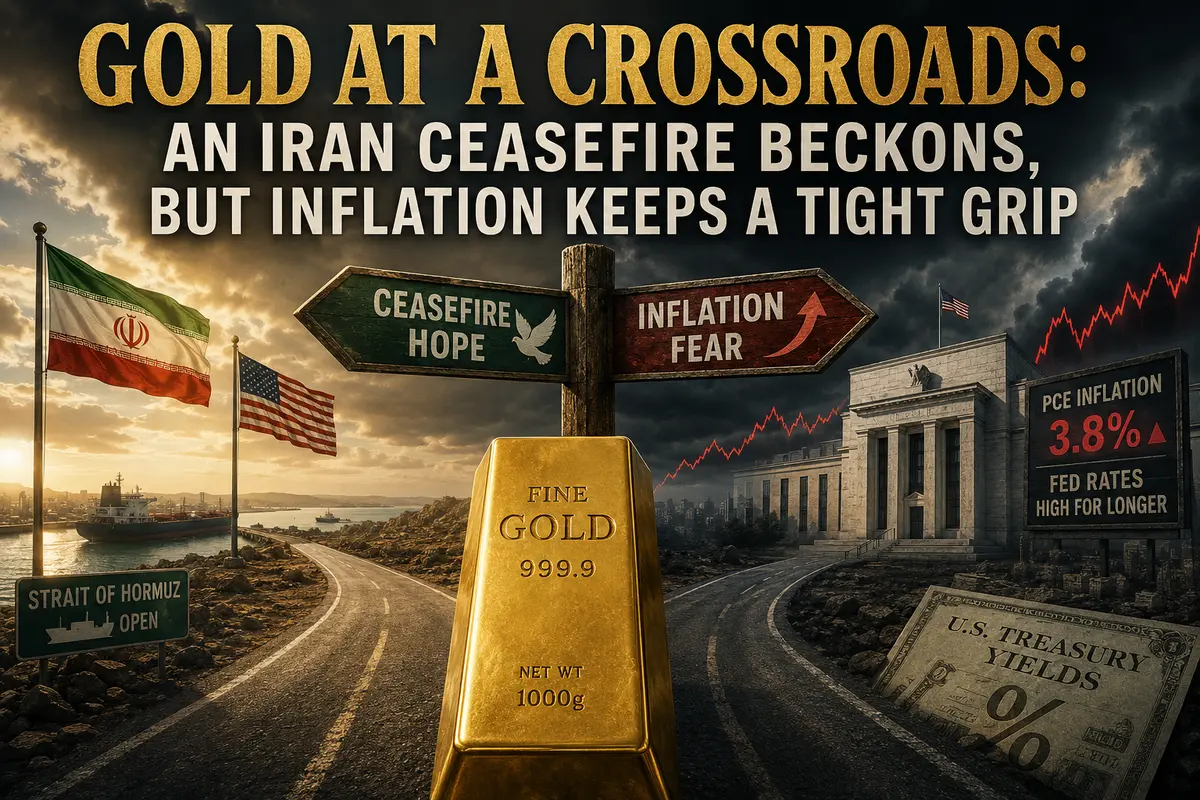
Friday’s gold market was defined by painful uncertainty. Spot gold held steady at $4,495.90 per ounce, virtually unchanged, while futures edged slightly lower to $4,526. Beneath this calm surface lies a market being pulled in opposite directions. On one side is hope for peace, which pushed prices higher on Thursday. On the other is persistent inflation, preventing gold from gaining real momentum. Caught between these forces, the yellow metal remains stuck, unable to choose a clear direction.
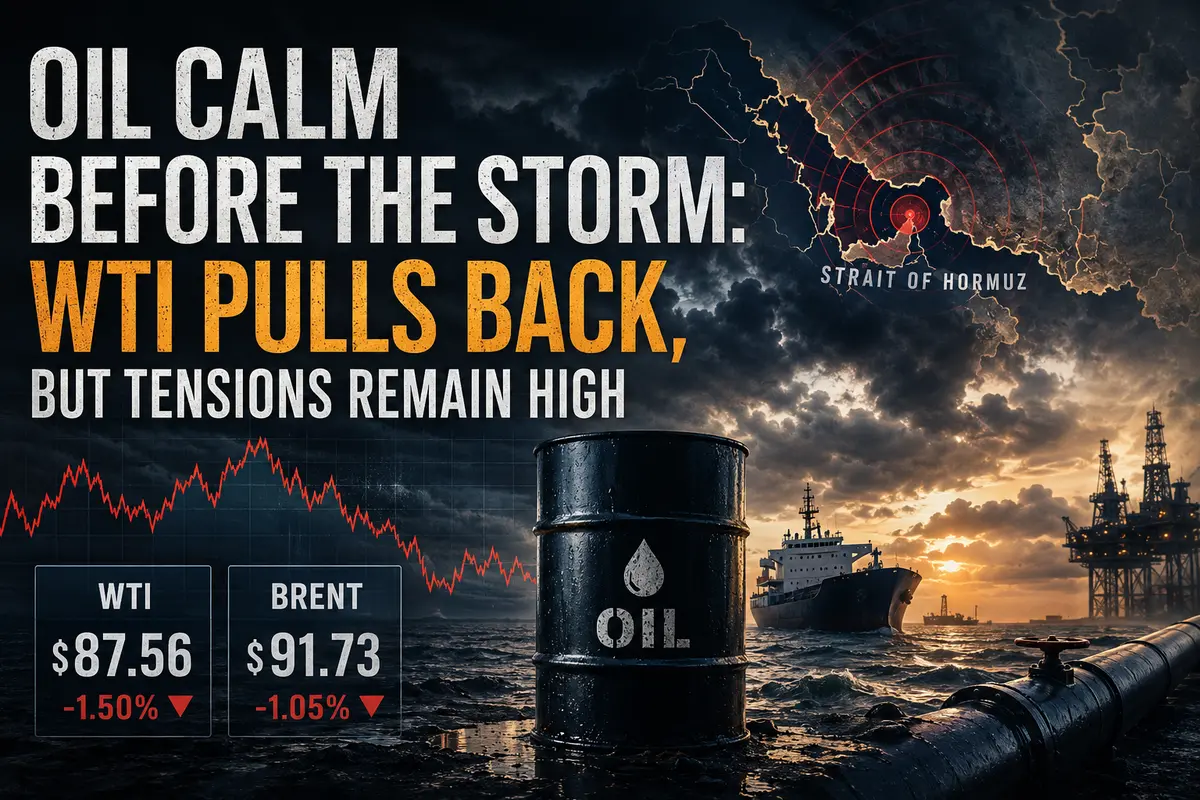
Ceasefire on the Table: What Changed OvernightThe main development driving markets on Thursday and continuing to influence sentiment on Friday is reports that the United States and Iran are close to extending a ceasefire agreement. According to sources, the preliminary arrangement includes a 60-day truce and, critically, the reopening of the Strait of Hormuz to maritime traffic.
This is precisely the breakthrough markets have been waiting for over the past several months. Since the conflict began, the closure of the Strait of Hormuz has been a major source of oil market disruption, inflationary pressure, and monetary policy concerns. Now, with renewed hopes that the waterway could reopen, markets reacted immediately.
Gold initially fell to a two-month low on Thursday as investors feared that de-escalation would reduce demand for safe-haven assets. However, as the implications of the news became clearer, the metal reversed course and finished the day up 0.8%. This turnaround is key to understanding how the market currently operates.
Investors realized that a ceasefire would mean not only a reduction in geopolitical risk premiums but also lower oil prices. Lower oil prices would ease inflationary pressures. Lower inflation would reduce the need for the Federal Reserve to raise interest rates. And a pause in rate hikes is exactly what gold needs.
However, the agreement is not yet final....