

Oil Calm Before the Storm: WTI Pulls Back, but Tensions Remain High
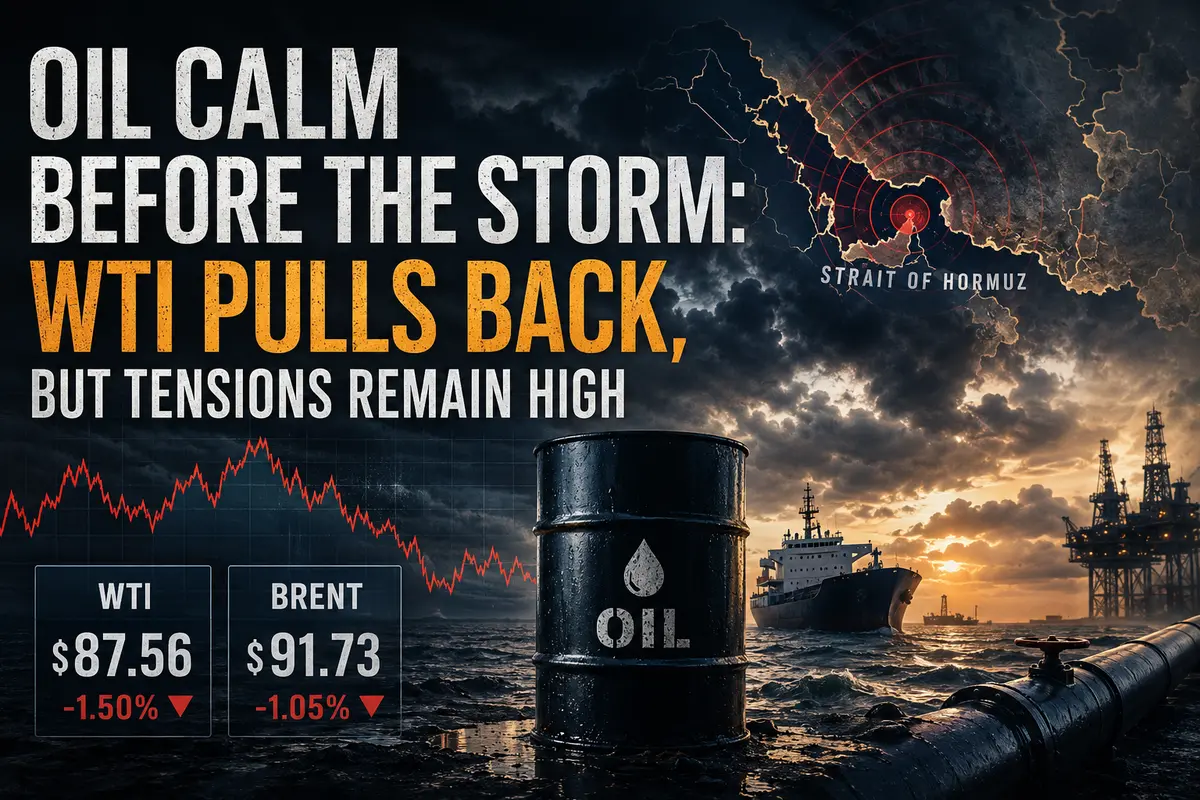
Friday’s Asian trading session brought a brief respite to the oil market. July WTI futures fell by 1.5%, dropping to $87.56 per barrel. Brent followed its U.S. counterpart lower, losing just over 1% and settling at $91.73 per barrel. At first glance, this looks like a routine correction after the sharp rally triggered by the latest strikes on Iran. But a closer look at the numbers suggests otherwise: this is not merely a pullback—it is a market holding its breath before the next move. Too much explosive risk has accumulated beneath the surface, too many unresolved questions remain, and too much depends on what unfolds over the weekend.
Down 1.5%: Profit-Taking or a Trend Reversal?
Friday’s decline in WTI fits a classic pattern. After Thursday’s surge of more than 3%, fueled by reports of strikes on Bandar Abbas and a retaliatory attack by Iran’s Islamic Revolutionary Guard Corps (IRGC), traders chose to lock in profits ahead of the weekend. Few are willing to hold long positions through Saturday and Sunday when anything could happen—from fresh military strikes to an unexpected diplomatic breakthrough. This fear of the “geopolitical weekend” is a familiar feature of every major Middle Eastern crisis.
Support at $87.27 remains intact. Prices bounced from that level, preventing bears from gaining momentum. This suggests that the underlying fundamentals have not changed: the Strait of Hormuz remains effectively disrupted, supply chains are impaired, and the global oil market remains undersupplied. A decline of 1.5% is not a trend reversal—it is simply a pause after a short sprint.
Resistance at $99.43 looms overhead, separating the current range from the triple-digit prices seen during the hottest phase of the conflict. If tensions continue to escalate, that level could be tested as early as next week. If, against all expectations, there...
