Currency Swings: The Dollar Loses Ground, the Euro Gains Momentum, and the Yen Balances on the Edge

The Calm Before the Storm: Markets Hold Their Breath Ahead of the ECB Decision
Thursday began on the currency markets with quiet but unmistakable tension. The U.S. Dollar Index, a barometer of global confidence in the American currency, edged lower to 101.02. The decline was barely noticeable, but against the backdrop of recent events, it carried symbolic significance. The dollar was losing ground to the euro, which climbed to a one-week high ahead of the European Central Bank’s crucial monetary policy decision.
Investors around the world were holding their breath. Later today, the ECB is expected to announce its decision on interest rates. Although markets almost unanimously expect rates to remain unchanged, the real intrigue lies elsewhere: will policymakers maintain their hawkish rhetoric? Will they hint at another rate increase later this year? The answers could determine not only the euro’s future but also the direction of global capital flows.
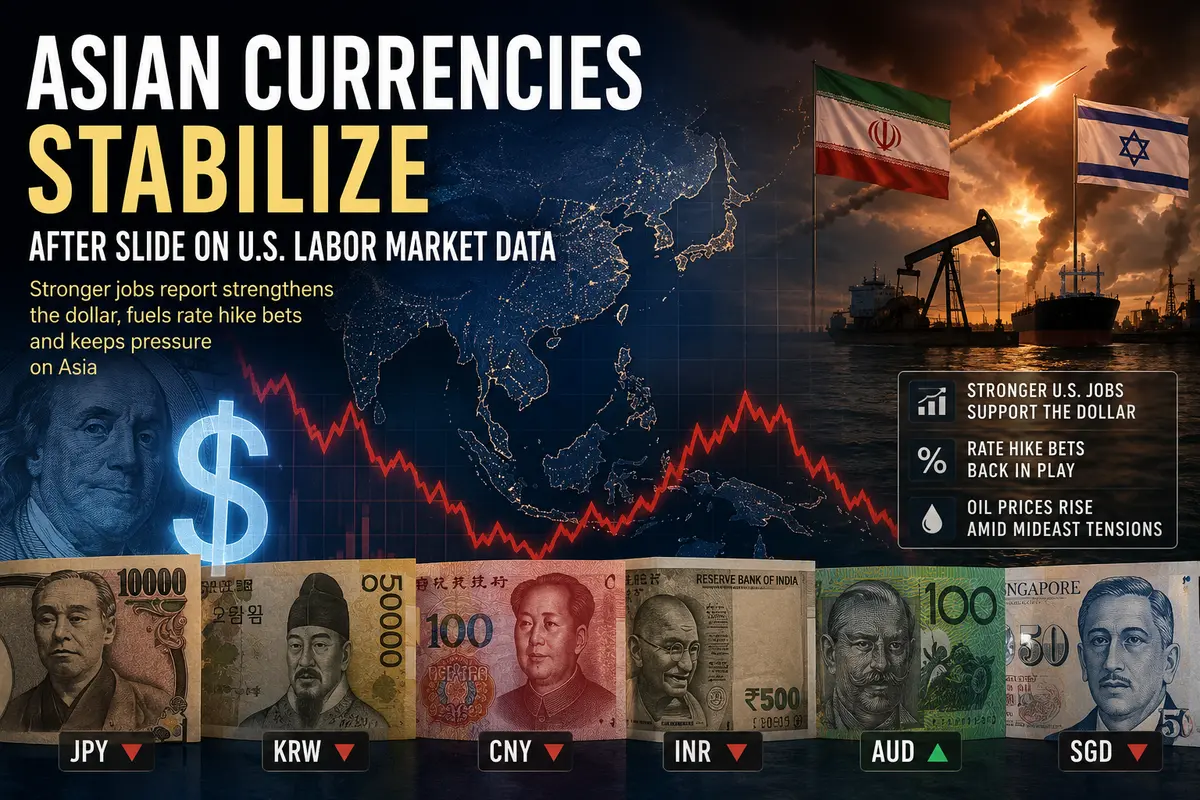
As always, geopolitics is adding fuel to the fire. The Middle East remains engulfed in conflict. The U.S. military has carried out new strikes against Iran, while Yemen’s Houthis, loyal to their regional patron, have attacked oil tankers in the Red Sea. Brent crude remains firmly above $95 per barrel, creating a serious headache for central banks already struggling with inflation and now facing another surge in energy prices.
Despite its slight decline, the dollar remains a safe-haven currency. When the world becomes unstable, investors usually rush into the USDEUR ... U.S. dollar. Today, however, that classic mechanism appears to have malfunctioned. At least in the short term, the euro looks more attractive ahead of the ECB meeting.
European Central Bank: Hawks and Doves Enter a New Round
The ECB decision expected today is more than a technical procedure. It is a political and economic manifesto. President Christine Lagarde and her...