Yen Plunges Past 163 While the Won Holds Firm: Asia’s Currency Drama Amid Oil and War

A Nightmare for the Yen: Why 163 Is More Than Just a Number
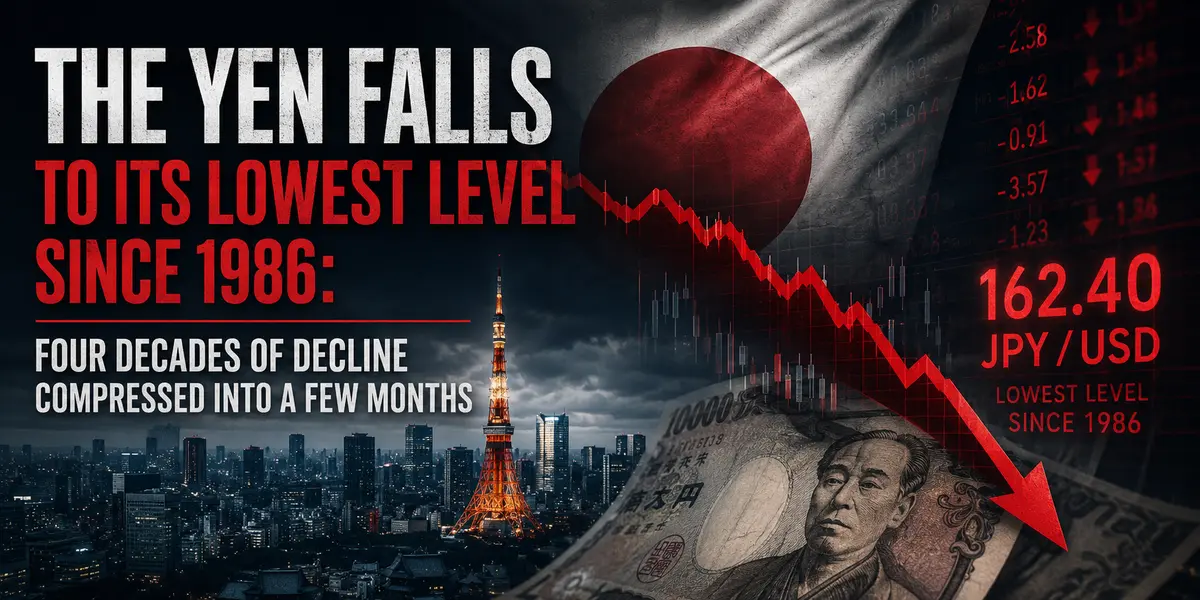
When the Japanese yen broke through the 163-per-dollar mark on 22.07.2026 Wednesday, a chill swept through financial markets. This is not merely another psychological threshold—it is a return to an era when most of today’s traders had not even begun their careers. It was 1986: Ronald Reagan was in the White House, Mikhail Gorbachev was only beginning to make global headlines, and the yen was already struggling under pressure from the dollar. Today, history is repeating itself, but against a new and far more alarming backdrop.
The drop beyond 163 is not simply a step downward but a leap into the abyss—one that many experts had predicted but continued to hope could be avoided. What is driving this grim currency carousel? The answer may seem obvious, but it consists of several layers, each heavier than the last.
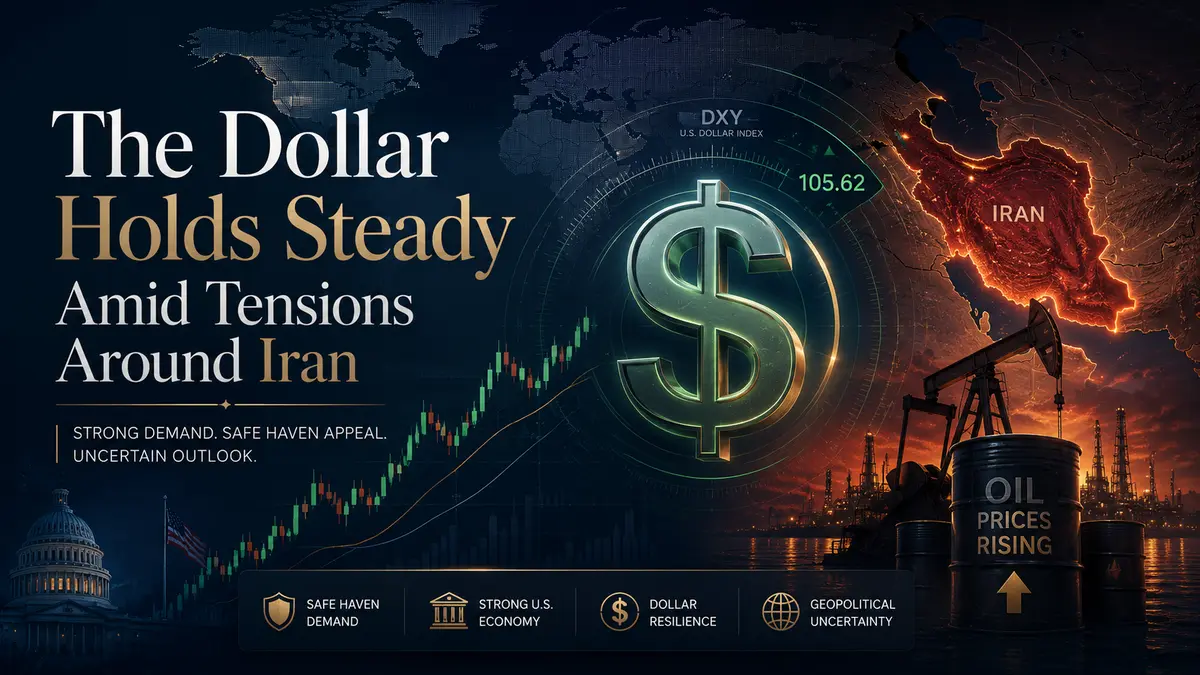
First and foremost, US Treasury bonds are back in fashion. Their yields are rising rapidly, attracting investors from around the world who are seeking assets that are both safe and profitable. Supported by these higher yields, the dollar looks like a fortress compared with the fragile Japanese currency. However, the US economy is not the only force taking center stage.
Oil is the second—and perhaps the main—character in this story. Prices for black gold are surging amid the geopolitical nightmare unfolding in the Middle East. Japan, which imports virtually all of its oil, is being hit from both sides: expensive energy is damaging its trade balance and weakening the national currency, while investors’ flight toward safe havens such as US government debt is adding even more pressure.
Investors now resemble poker players who can see their opponents’ cards but have no idea what the next deal will bring. They are...