Bar Pipa
We pay for a post of 10$

Bonds

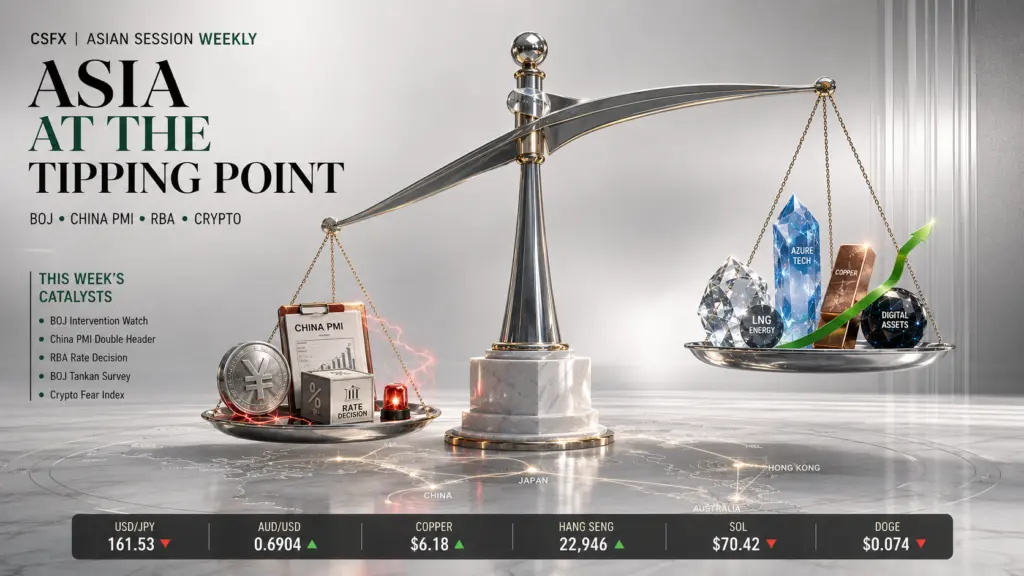
USD/JPY Breaches 160, NZD Under RBNZ Hawkish Watch & Global Risk-Off Grips Asia

USD/JPY Breaches 160, NZD Under RBNZ Hawkish Watch & Global Risk-Off Grips Asia

Week of 9–13 June 2026  ·  Asia-Pacific Session

★  EXTREME EVENT RISK WEEK  ·  BoJ Intervention Live  ·  US CPI Wednesday  ·  RBNZ June 15–16  ·  EIA Thursday  ★

USD/JPY 160.24  ·  NZD/USD 0.5796  ·  Copper $6.31/lb  ·  Nat Gas $3.22  ·  Hang Seng 24,680  ·  SOL $60.24  ·  LTC $42.56

Past Week in Review — 2–6 June 2026

The week of 2–6 June 2026 delivered a series of threshold events across every instrument in CSFX's Asia coverage. The dominant development was USD/JPY crossing 160.00 — the level the Bank of Japan has defended twice in the past 14 months — turning intervention from a tail risk into an active event probability. Goldman Sachs' full liquidation of Solana ETF exposure triggered a 5.75% single-week selloff in SOL, resetting institutional sentiment for the Solana ecosystem. On the commodity side, natural gas's 17.82% monthly surge — driven by Middle East LNG supply disruptions and above-average US temperatures — was only partially reversed by Friday's 3.21% pullback on reduced LNG export volumes. The Hang Seng's four-session losing streak, led by SMIC and Tencent declines, reflects the AI-sector correction on Wall Street feeding directly into Hong Kong's technology-heavy index. Copper declined 4.25% on the week, pulled lower by China demand uncertainty, though the structural electrification thesis remains intact and the dip has brought the price to CSFX's target entry zone. Litecoin was the hardest hit, falling 11.94% through the prior $47 support band and into the $40–$44 demand zone where the 2027 pre-halving accumulation thesis now activates.

Weekly closes: USD/JPY at 160.24, breaching the 160.00 BoJ intervention threshold. NZD/USD down 1.93% on the week to 0.5796, pulling back sharply from its 5-week high. Copper down 4.25% to $6.31/lb on softer China industrial data, now 6% below the $6.716 all-time high. Natural gas down 3.21%...

Continue reading...
0
0

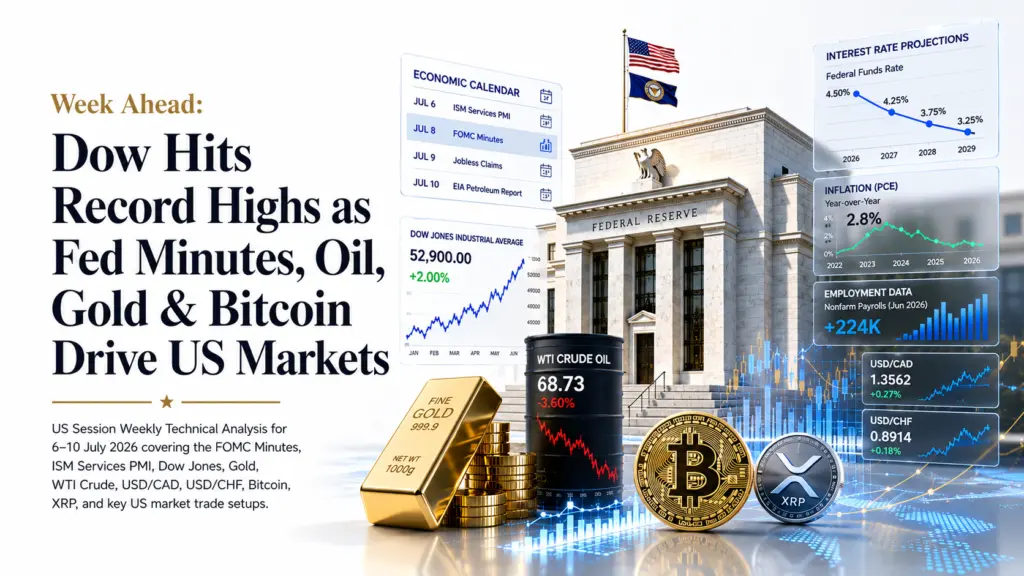
NFP Beats Hard, S&P Lifts as Dollar Firms & Bitcoin Slides Below $61K

NFP Beats Hard, S&P Lifts as Dollar Firms & Bitcoin Slides Below $61K

Friday, 5 June 2026  ·  New York Open  ·  Capital Street FX Research Desk

NFP +172K May  ·  Unemployment 4.3%  ·  US 10Y 4.52%  ·  Fed Hike Probability 85%

Fed Funds 5.25%  ·  CPI Apr 3.4%  ·  Next FOMC Jun 17–18  

Session Prices — New York Session, 5 June 2026

S&P 500 at 7,550.5 (+0.59%). Nasdaq Composite at 39,432 (+0.61%). Dow Jones at 51,448 (+0.99%). USD/CAD at 1.3913 (+0.27%). USD/CHF at 0.7945 (+0.66%). US 10-year Treasury yield at 4.52% (+0.04%). WTI Crude at $91.47 (-3.32%). Gold XAU/USD at $4,348.10 (-2.58%). Wheat CBOT July at 608.75¢/bu (-0.29%). Bitcoin at $60,912.5 (-1.83%). Cardano ADA at $0.1604 (-2.10%). Intel at $107.31 (-4.20%). VIX at 16.52.

The NFP Story — Three Crossfires at Once

Friday's New York session opened into a market already shaken by three simultaneous stress tests: a stronger-than-expected NFP print, a sector-crushing selloff in semiconductor stocks triggered by Broadcom's AI chip outlook, and a crypto market that has shed more than 14% across seven consecutive sessions. The Federal Reserve's rate path is the thread binding them all — and today's jobs data just made the June 17-18 FOMC meeting materially more hawkish in character.

May's non-farm payroll report delivered 172,000 new jobs, firmly beating the consensus estimate of 130,000 and following an upward revision of April to 214,000. The unemployment rate held at 4.3%. Gains were led by leisure and hospitality, local government, and healthcare. Markets now price an 85% probability of at least one 25 basis-point rate hike before year-end, up from 60% a week ago. The 10-year Treasury yield climbed to 4.52% immediately post-release. The NFP result effectively forecloses any near-term Fed cut — the first rate reduction is now pushed to early 2027 in the base case.

The technology sector is experiencing its most severe single-session decline...

Continue reading...
0
0

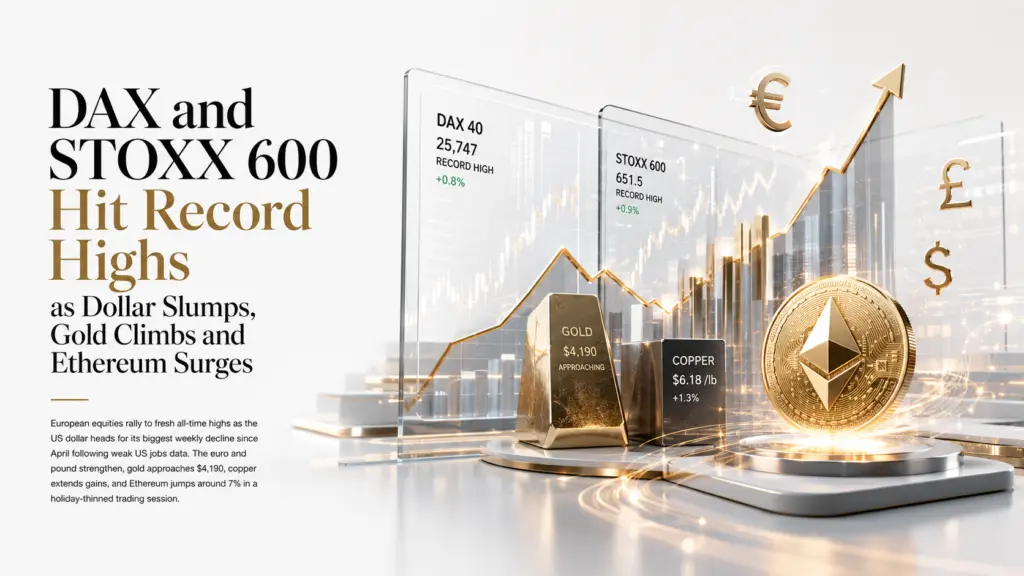
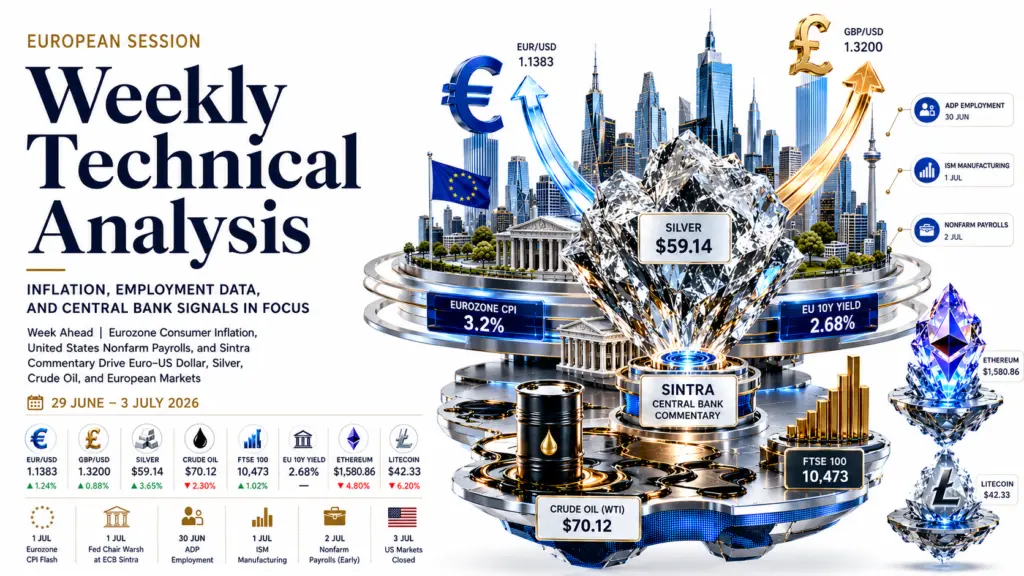
ECB Eve Jitters, Euro Firms on Inflation Data & CAC 40 Steadies Friday, 5 June 2026 | European Session — London Open | Capital Street FX Research Desk

ECB Eve Jitters, Euro Firms on Inflation Data & CAC 40 Steadies Friday, 5 June 2026 | European Session — London Open | Capital Street FX Research Desk

KEY EVENT: ECB Rate Decision — June 11  |  25bp Hike 90% Priced  |  ECB Deposit Rate 2.00%  |  Euro CPI 3.2% (May, highest since late 2023)

EUR/USD 1.1638  ·  EUR/GBP 0.8644  ·  Lead $2,014.51/T  ·  Corn 420.56¢/bu  ·  CAC 40 8,278.1  ·  AstraZeneca £13,150  ·  EU 20Y 3.48%  ·  USDT $1.0001  ·  BNB/USD $594.5


Session Overview — European Markets

Friday's European session opens with an unusual and defining tension: the euro is firming ahead of a rate hike that is already almost fully priced — a reminder that in modern markets, anticipation can both deliver and disappoint. With the European Central Bank's June 11 decision six days away and May eurozone inflation confirmed at 3.2%, the question is no longer whether the ECB will hike, but how hawkish the guidance will be and what comes next.

The macro backdrop is dense. Eurozone inflation rose to 3.2% in May — its highest reading since late 2023, with core at 2.5% and services inflation surging to 3.5%. These data points have pushed money markets to price a near-certain 25 basis-point hike at the June 11 meeting, lifting the ECB deposit rate from 2.00% to 2.25%, with a second hike priced for September and a third increasingly likely before year-end. ECB Governing Council member Isabel Schnabel on Monday added a hawkish note: it is too early to determine the exact number of rate hikes — a deliberate signal that the ECB is not inclined to front-run market guidance. Bank of Italy Governor Fabio Panetta was equally pointed: the forward-looking picture calls for a recalibration to counter the risk of persistent inflationary tensions.

Beneath the ECB narrative, the geopolitical picture remains the dominant risk overlay. Iran hostilities continue to disrupt oil supply chains and push energy-driven inflation across Europe. A conditional Lebanon...

Continue reading...
0
0

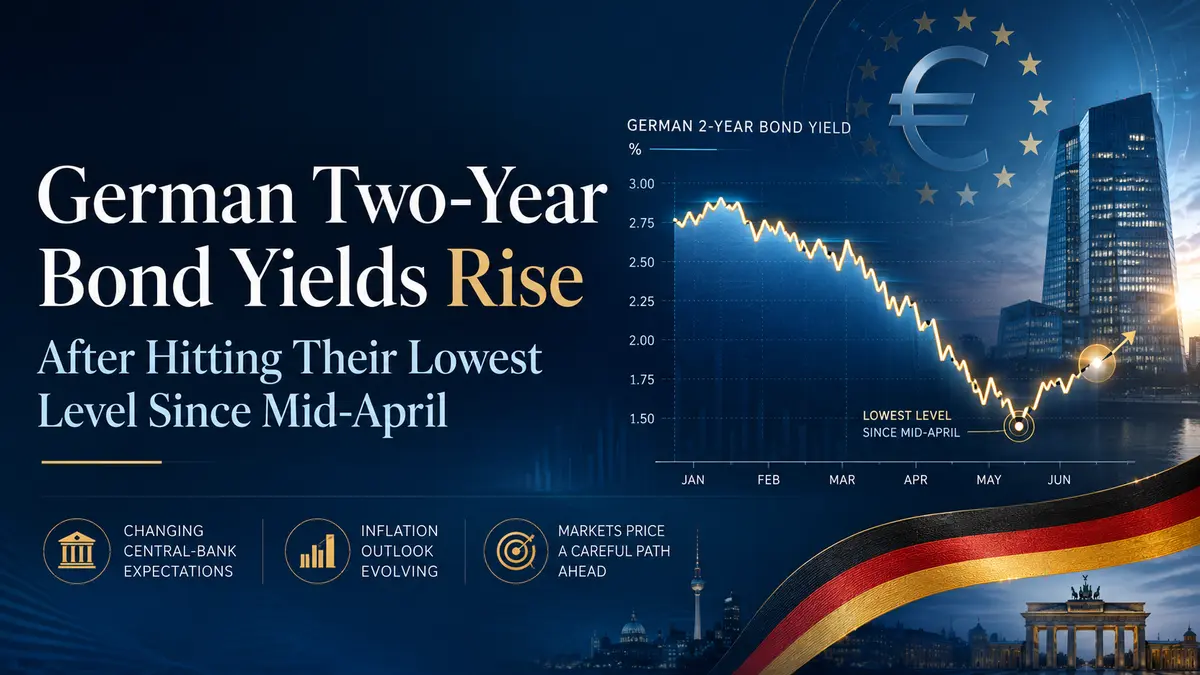
THE SILENT ORATOR: HOW US TREASURY BONDS AND THE YIELD CURVE DICTATE THE DIRECTION OF EVERY FINANCIAL MARKET — AND WHAT THEY ARE SAYING RIGHT NOW | CAPITAL STREET FX

US 30Y Treasury Yield: 5.025% — first close above 5% since 2007

US 10Y Treasury Yield: 4.463% — elevated on fiscal concerns

US 2Y Treasury Yield: 3.992% — pricing near-term cuts ahead

2Y/10Y Spread: +47bps — re-steepened from record -108bps inversion

10Y TIPS Real Yield: ~2.1% — highest sustained level since 2008

30Y TIPS Real Yield: 2.70% — historically restrictive

DXY Dollar Index: 98.97 — weakening despite elevated rates

USD/JPY: 159.26 — JGB yield approaching 2.70%, 30-year high

EUR/USD: 1.1654 — near 1-year high

GBP/USD: 1.3458 — near 3-day highs

XAU/USD Gold: $4,542 — off all-time high of $5,595, stabilised above $4,500

PCE Inflation: 3.8% YoY, Core 3.3% — fifth year above target

Fed Funds Rate: 4.25-4.50% — zero cuts priced for 2026

Fed Chair: Kevin Warsh — sworn in 22 May 2026, 11th Chair

US National Debt: $36.2 trillion — growing at $1 trillion every ~100 days

Japan Treasury Holdings: ~$1.1 trillion — $220 billion at repatriation risk

Inversion Duration: 803 days — longest ever recorded, now re-steepened

Historical Parallels: 1994 Bond Massacre, 2007 Re-Steepening Trap, 1981 Volcker Peak

INTRODUCTION: A MARKET THAT SPEAKS WITHOUT WORDS

On the afternoon of 29 May 2026, nobody made a speech. Nobody needed to. The US Treasury sold $25 billion in 30-year bonds and the auction cleared at 5.025% — a number that appeared on trading terminals in Tokyo, London, and New York within milliseconds of the hammer falling. No finance minister issued a statement. No central banker stepped to a podium. A single number crossed the wire, and the largest financial market on earth began, without discussion or ceremony, to rearrange itself around it.

The bond market does not hold press conferences. It...

Continue reading...
0
0
Lin Brings

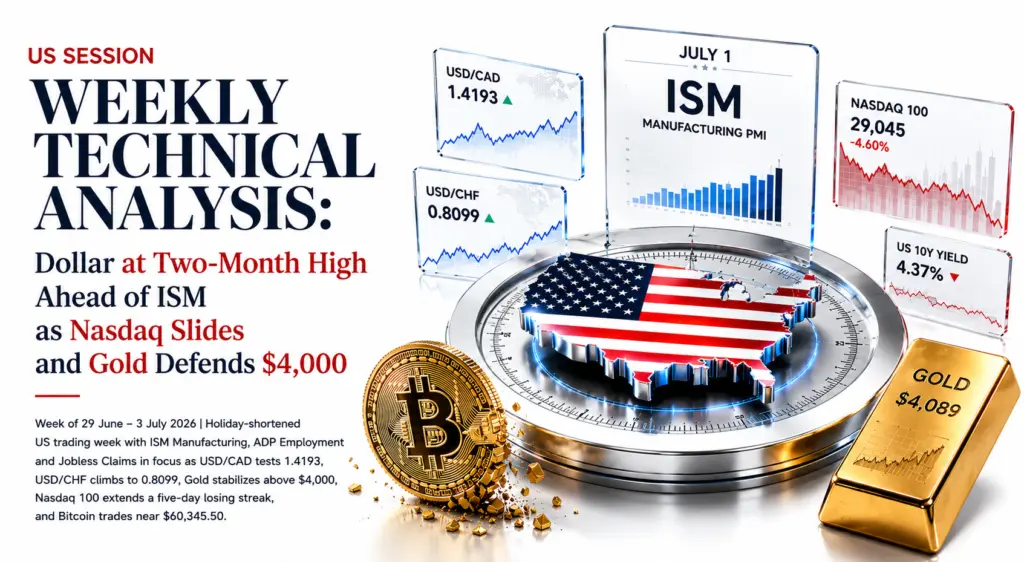
Trump’s Words as a Market Catalyst

Trump’s Words as a Market Catalyst

Tuesday began with a cautious but confident rise in the precious metals market. Spot gold gained one tenth of a percent and settled around $4,570 per ounce, while futures climbed three tenths of a percent to $4,574. At first glance, the move looked modest. But behind these numbers stood an event that changed the mood of the entire financial world the previous evening: Donald Trump announced a postponement of the planned strike on Iran and confirmed that negotiations were ongoing.

Markets, which for weeks had been pricing in the possibility of a major war in the Middle East, interpreted these remarks as the first real signal of de-escalation in a long time. The reaction was multifaceted: oil moved lower, bonds stopped falling, the dollar weakened, and gold — contrary to the usual logic linking its rise to heightened geopolitical fears — also moved higher. To understand this apparent paradox, it is necessary to look at the mechanics currently driving the precious metals market.

Oil Down, Gold Up: Breaking the Pattern

Normally, gold and oil move in the same direction when geopolitics is the main driver. War sends oil higher and gold higher. Peace pushes both lower. But Tuesday morning broke this familiar pattern. Oil prices fell sharply after Trump’s comments, while gold rose.

The explanation lies in the fact that gold is currently far more sensitive to the bond market than to geopolitical risk itself. Recent weeks have shown that the metal’s main enemy was not hope for peace, but rising yields. When investors sold bonds on fears that a war with Iran would fuel inflation and force central banks to tighten policy further, yields surged and gold declined. Now that dynamic is beginning to reverse.

Trump’s announcement that the strike was postponed and that serious negotiations were underway sparked...

Continue reading...
0
0
Navigation menu
instaforex banner