

Iran Just Hit US Bases Directly; Here’s Why That Changes the Math on Oil
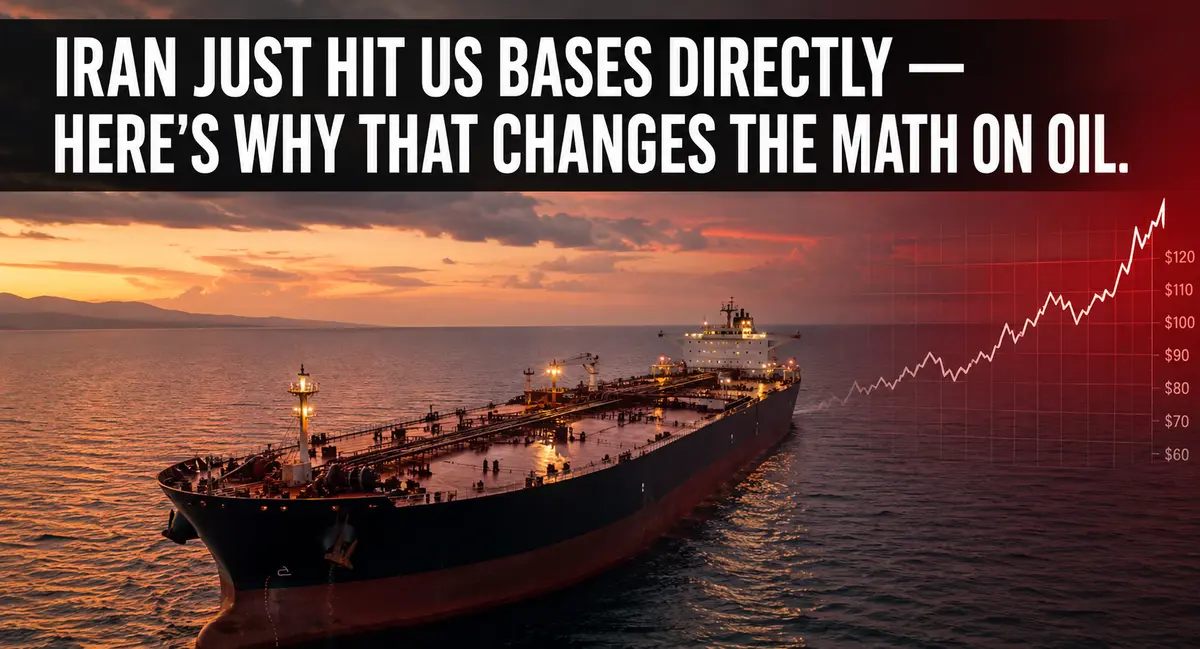
Iran’s military says it launched drone strikes this week on two US-linked facilities: Al-Azraq Air Base in Jordan, and Sheikh Isa Air Base in Bahrain, a key hub for the US Navy’s Fifth Fleet. Housing, equipment depots, and aircraft maintenance hangars were reportedly hit at both sites.
I want to be careful about how I frame this, because this is a real war with real casualties, not a trading abstraction. But from a markets lens, this specific escalation matters in a way that’s genuinely different from the disruptions we’ve seen so far this month, and I think oil is still underpricing it.
A Different Kind of Target
Tanker attacks and pipeline sabotage disrupt supply. They’re serious, and they’ve already moved prices hard this month. But striking bases that house US military personnel directly is a different category of action.
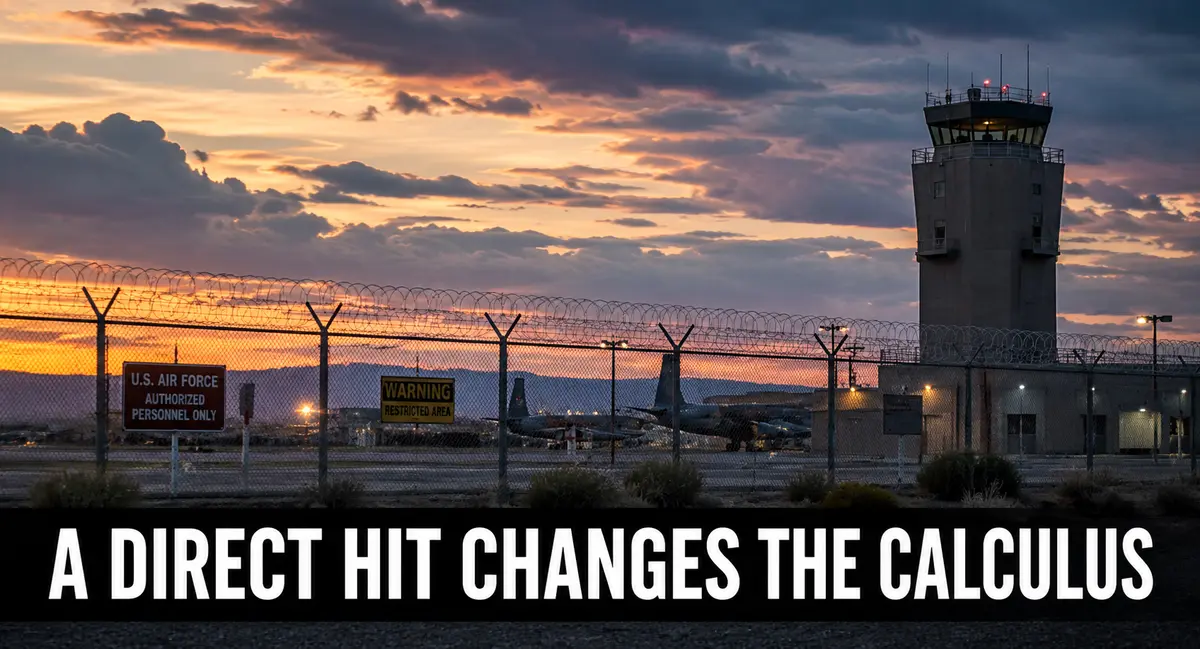
It’s not an attack on the machinery of oil transport. It’s an attack on the United States itself, and historically, that kind of strike raises the odds of a proportional or escalatory US response in a way that tanker attacks alone don’t.
This Didn’t Happen in Isolation
A Ceasefire That Hasn’t Held
Back in June, the US and Iran signed a Pakistan-brokered memorandum intended to end a war that began in February. Strikes have continued on both sides regardless. This week’s attacks aren’t a rupture of some quiet peace, they’re the continuation of a conflict that never actually paused, dressed up periodically in diplomatic language that hasn’t matched what’s happening on the ground.
Three Fronts, Not One
Here’s what actually worries me about the current picture: this isn’t one flashpoint, it’s several opening at once. Direct strikes on US bases in Jordan and Bahrain. A newly opened Red Sea front, with Houthi forces striking Saudi oil tankers and declaring a blockade of Saudi ports. And separately, Kazakhstan suspended crude exports through the Caspian Pipeline Consortium terminal after drone attacks on its own infrastructure.
Three distinct supply and security threats, all live in the same week. That’s not how a conflict looks when it’s winding down.
The Market Has Already Moved, I Don’t Think It’s Moved Enough
To be clear, this isn’t the same setup as the inventory story from earlier this month, where the market was flatly ignoring a real signal. This time it reacted, and reacted hard. BZUSD ... has crossed $100 a barrel for the first time in two months. WTI2.L ... WTI is trading near $91-92. Both benchmarks are up more than 30% from where they sat before this phase of the conflict intensified.
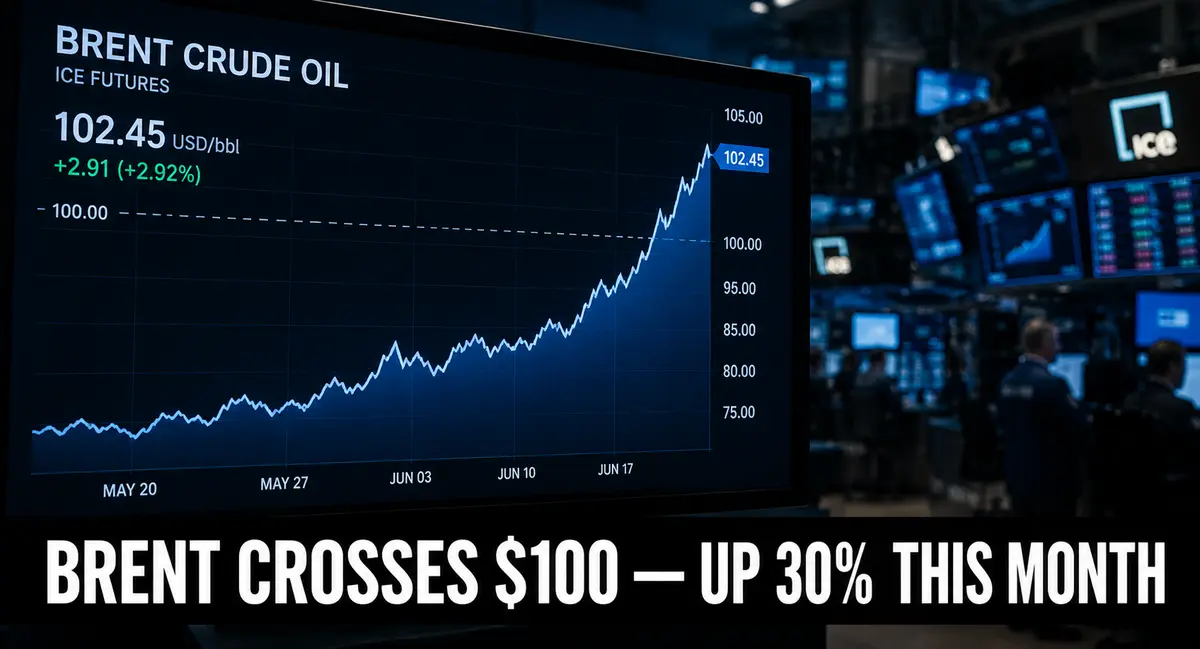
My take is that this move, big as it looks, still isn’t pricing the direct-base-strike risk correctly. A 30% move captures “the Middle East is unstable and OIL ... supply is threatened.” It doesn’t fully capture “the US may now feel compelled to respond at a scale beyond what it’s done so far, because its own personnel and facilities are being targeted directly.” Those are different risk categories, and only one of them is showing up in the price so far.
Why Hitting US Bases Directly Raises the Stakes
This is the core of my argument. When Iran strikes tankers or pipelines, the US has room to calibrate its response, because the damage is economic and diffuse. When Iran strikes facilities housing US troops, the pressure to respond in kind, immediately and visibly, goes up sharply. Trump has already used language that reflects this shift, threatening “major military punishment” and telling reporters he’s considering a “massive attack” on Iran. That’s not the rhetoric of someone treating this as business as usual.
I think the market is still trading this like a supply-disruption story when it may be closer to becoming an escalation story, and those carry very different tail risks for how far oil can move.
What the Analysts Are Already Flagging
This isn’t just my read. RBC Capital Markets’ global head of commodity strategy, Helima Croft, has said the pressure building in the Middle East could push BZUSD ... Brent past the 2022 high of $128, and in a full-scale regional war scenario, potentially even past the 2008 peak of $146.
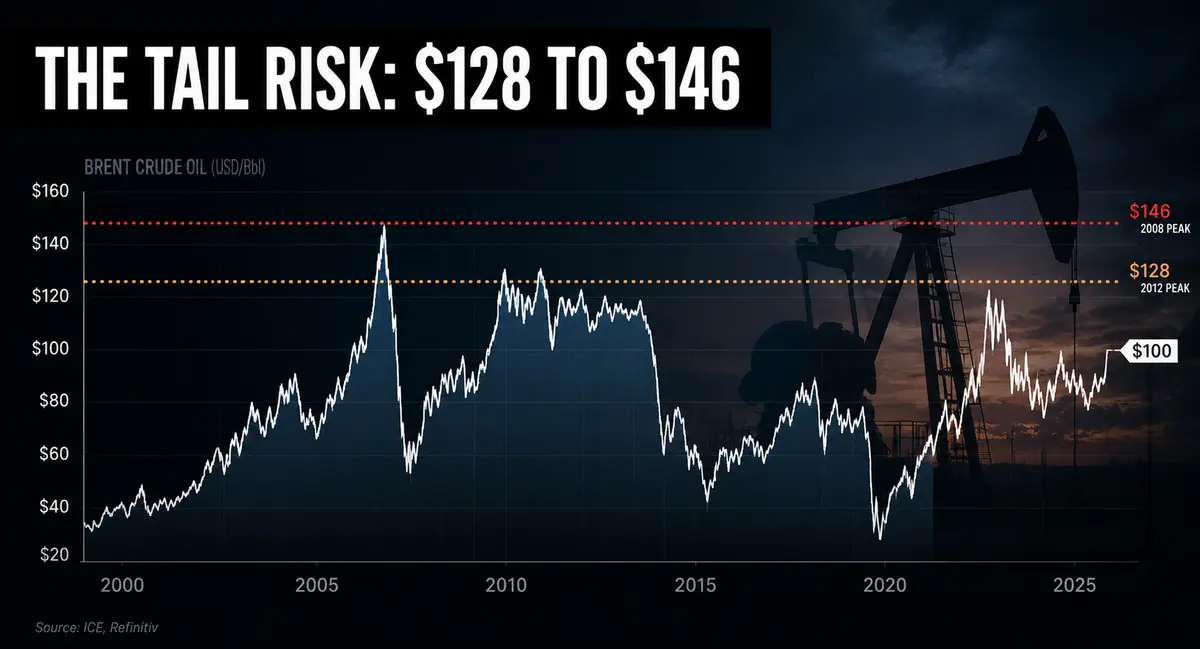
When a strategist at that level is putting real numbers on a full-war scenario, it tells you this isn’t a fringe possibility being priced by nobody. It’s a plausible tail that the current 30% move doesn’t fully account for.
What Traders Should Actually Watch
The honest framing here isn’t “will oil go up,” because it already has. It’s what confirms further escalation versus what would actually mark a turning point. I’d watch three things specifically: whether the US response to the base strikes is proportionate or a genuine step up in scale, whether the Red Sea disruption spreads to broader shipping beyond the two tankers already hit, and whether attacks start directly targeting the Strait of Hormuz itself rather than facilities around it.
don’t think this is a moment for headline fatigue the way the yen intervention story has become. That pattern works when a market has been repeatedly told the same thing without consequence. This is the opposite: each new development this month has actually mattered, and I’d treat every fresh headline on this conflict as a reason to reassess exposure, not to shrug it off.
Risk Disclaimer
OIL ... Oil markets are highly volatile and geopolitically sensitive, and past price reactions are not a guide to future moves in an actively developing conflict. This is a serious ongoing military conflict with real human cost, and nothing in this article should be read as minimizing that. Nothing here constitutes financial advice or a recommendation to buy or sell any commodity or related instrument. Always size positions according to your own risk tolerance and consider consulting a licensed financial advisor.



Comments
No comments yet. Be the first to share your thoughts!
Authentication Required
You must be logged in to post a comment.