

The Rupee on the Edge of the Abyss: Why India Is Facing a Currency Storm
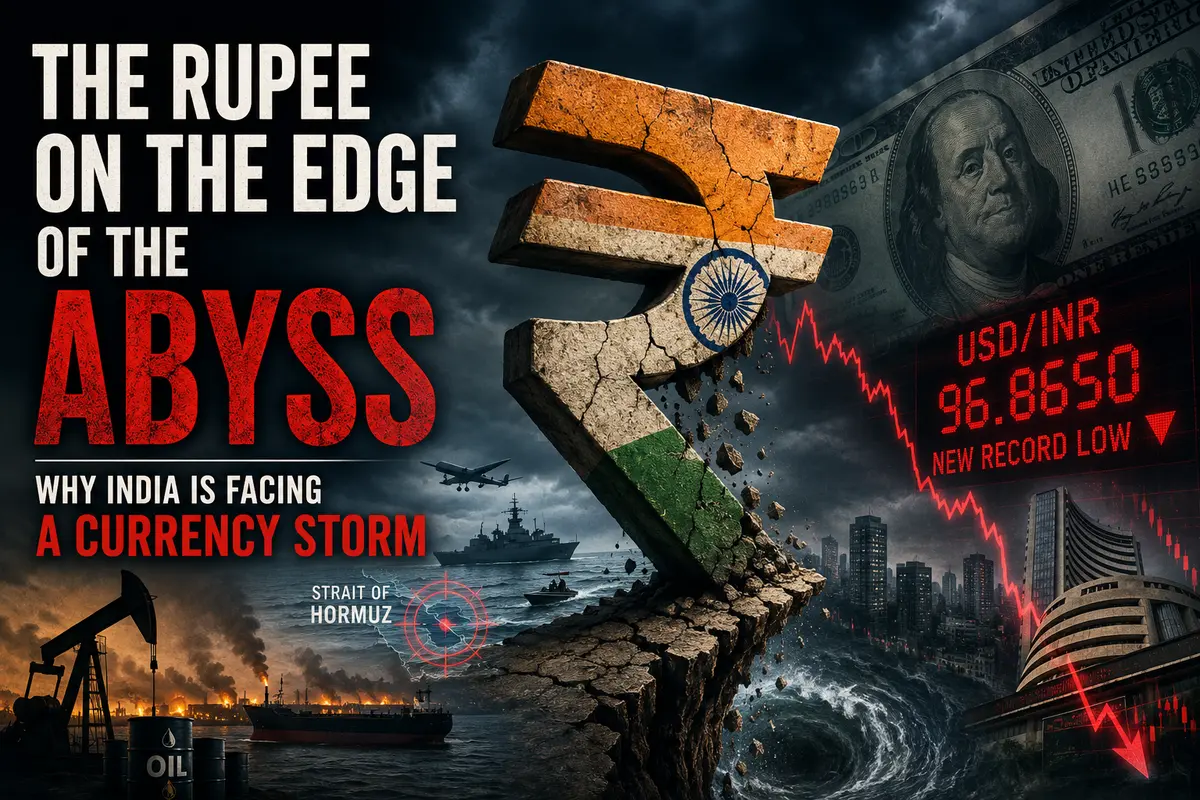
Seven consecutive record lows. This is no longer a simple decline — it is a free fall with eyes wide open, where every new step downward stops being a shock and becomes routine. The level of 96.8650 rupees per dollar, recorded on Wednesday, is not the bottom but merely another mark carved into the wall of shame. The psychological threshold of 100 rupees per dollar no longer feels like fantasy. It looms on the horizon as an inevitability — one that even the corridors of the Reserve Bank of India seem to have accepted. But the real drama of the rupee is unfolding not on trading charts, but within the deep structural cracks that have spread through the foundation of the Indian economy. Cracks that did not exist even six months ago.
The Oil Curse: Anatomy of Vulnerability
India is the world’s third-largest consumer of oil. The phrase sounds impressive, almost like the status of a superpower. But behind it hides a statistical nightmare: more than 80 percent of the crude oil consumed by the country is imported. Saudi Arabia, Iraq, and the United Arab Emirates effectively hold the Indian energy sector by the throat. And when oil prices surge by more than fifty percent, as they have since late February, India’s economy literally begins to suffocate.
The mechanism of destruction is simple and ruthless. Oil importers — India’s state-owned and private refining companies — must pay for every shipment in U.S. dollars. To obtain those dollars, they sell rupees. When the price of a barrel rises by one and a half times, the demand for dollars rises proportionally. An avalanche of rupees floods the currency market, wiping out every support level. A weaker rupee then makes every subsequent oil purchase even more expensive in local currency terms. The result...
