

The Oil Earthquake
Hormuz and Bab el-Mandeb Could Reshape Inflation, Interest Rates and Global Markets
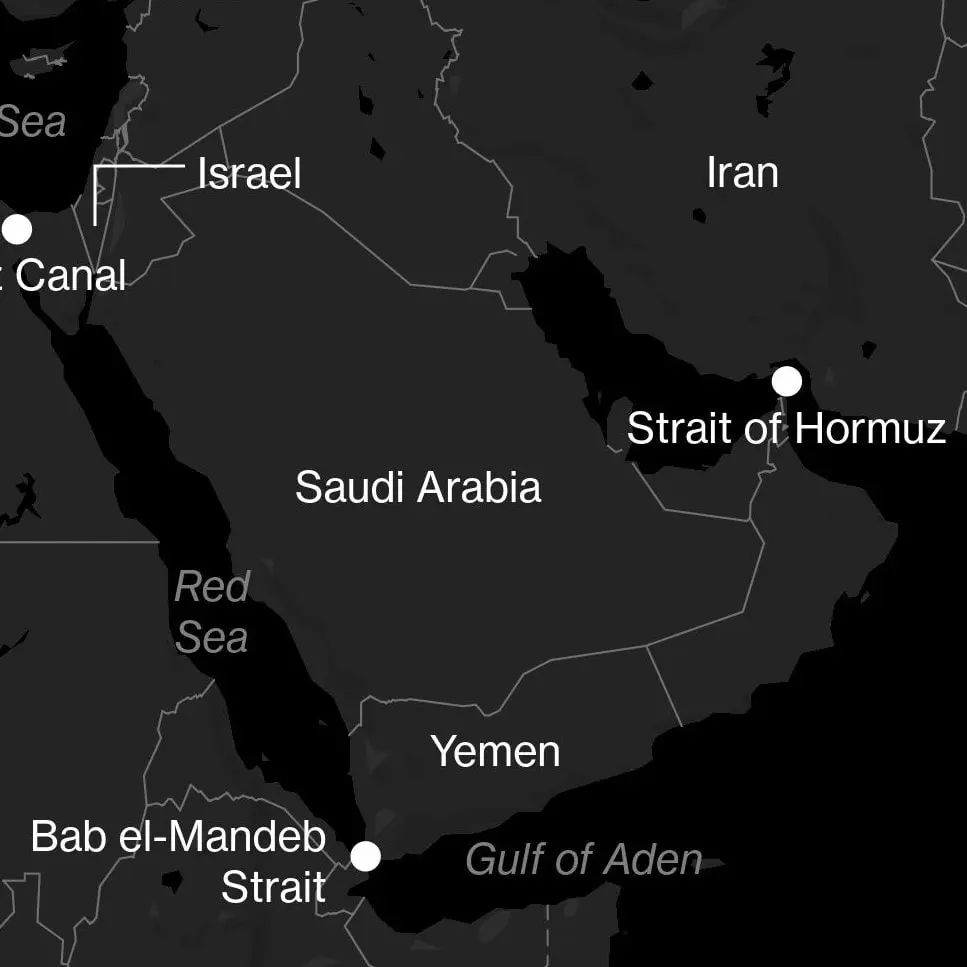
Oil has climbed roughly 30% in a single month and briefly touched $100 per barrel. Equity markets have weakened, shipping risks have risen, and investors are asking whether this is another fleeting geopolitical shock or the beginning of a deeper economic problem.
Markets first focused on the Strait of Hormuz. A second front has now opened around Bab el-Mandeb, the route long regarded as the main alternative if Hormuz became severely restricted. The real issue is not today’s oil price. It is whether the disruption lasts long enough to reintroduce inflation into the global economy and force a full reassessment of portfolio positioning.
The Analytical Framework: Follow the Question, Not the Headlines
Sound market analysis does not chase isolated headlines. It centers on one decisive question that determines how capital should be allocated.
Two months ago, when oil surged toward $140, the question was whether energy inflation would spread through the broader economy or remain largely confined to petrol and diesel. The transmission was tracked through shipping, manufacturing, storage, and consumer prices—described as “the snake inside the pipe.”
Oil then fell from around 140 to 72, forcing a new question: would inflation leave the system as quickly as it entered, or had it become embedded? The June inflation report showed monthly core inflation near zero, suggesting pressure was beginning to exit. A 70% probability was assigned that inflation risk was receding and markets would improve.
Oil has now risen again, creating a third question: will this conflict bring inflation back, or will it prove temporary? If the conflict expands and inflation returns, the Federal Reserve may raise rates, pressuring equities, crypto, and other risk assets. If the shock fades, the current decline may become a buying opportunity.
The First Event: Hormuz Is Severely Restricted
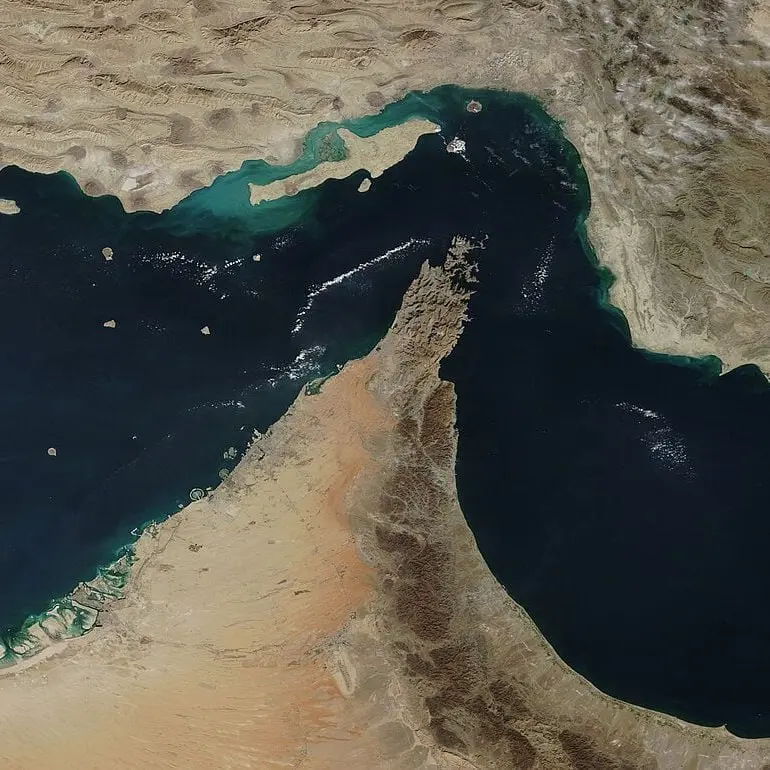
Shipping through the Strait of Hormuz has fallen sharply after military escalation between the United States and Iran. US Central Command conducted consecutive strikes, while President Trump warned of retaliation against Iranian infrastructure if ships were attacked. Iran answered with an “eye for an eye” doctrine.
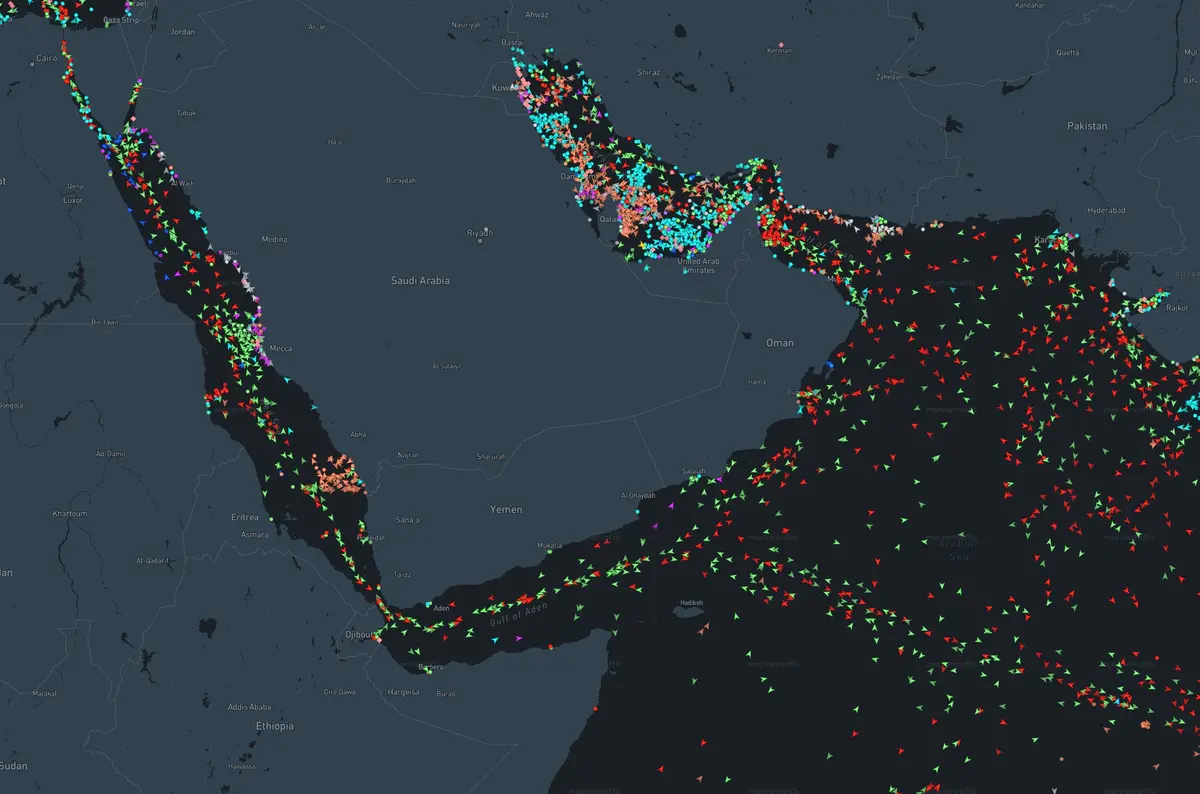
Baseline shipping figures vary across reports, but the central fact is clear: activity has dropped dramatically from normal levels. Hormuz typically carries about 20 million barrels of oil per day—roughly 20% of global consumption. It is the primary export route for oil and gas from Saudi Arabia, Iraq, Kuwait, the UAE, Qatar, and Iran. Any prolonged disruption carries immediate global consequences.
The Second Event: Bab el-Mandeb Has Entered the Conflict
The second development may prove more serious. The Houthis announced a maritime blockade affecting Bab el-Mandeb and Saudi shipping. They reportedly attacked two large Saudi oil tankers in retaliation for a strike on Sana’a airport. This is not yet a complete closure of the strait.
It functions instead as a selective political blockade, targeting Saudi- and Western-linked vessels while allowing Chinese shipping to continue. The eastern route through Hormuz is heavily constrained, while the western alternative through the Red Sea is now exposed to armed disruption. The global oil system faces pressure at both exits.
Why Marine Insurance Matters More Than Political Statements
Neither strait needs to be physically closed for shipping to stop. The decisive factor is marine insurance. Shipping companies weigh voyage profits against the cost of war-risk insurance, crew compensation, rerouting, delay risk, and cargo protection.
If insurance costs exceed expected profits, owners simply stop sending ships. This is already visible in Hormuz and may spread to Bab el-Mandeb. Every additional attack raises the chance that insurers classify the Red Sea as a full war zone. Marine-insurance premiums may therefore be a more reliable signal than political statements. Falling premiums would indicate genuine easing; rising premiums would signal a deepening disruption.
The Failure of the Backup Route
Saudi Arabia, the UAE, and Kuwait hold much of the world’s spare oil capacity, yet most of that oil sits behind Hormuz. Saudi Arabia’s main alternative is the Petroline, which moves crude westwards from the eastern region to Yanbu on the Red Sea.
The backup plan was simple: bypass Hormuz, move oil through the Petroline, load it at Yanbu, and ship it through Bab el-Mandeb. After the Hormuz disruption, Saudi shipments via this route reportedly rose to around 4 million barrels per day. That alternative route now passes through waters threatened by the Houthis. The safety valve designed to bypass Hormuz has itself become vulnerable, turning two separate conflicts into a systemic oil-security problem.
The Numbers Behind the Oil Shock
The scale is substantial:
-
Global oil consumption: approximately 102 million barrels per day
-
Oil passing through Hormuz: approximately 20 million barrels per day
-
Oil passing through Bab el-Mandeb: approximately 4.5–5 million barrels per day
-
Share of global trade through Bab el-Mandeb: around 12%
-
Saudi oil redirected to the Red Sea: approximately 4 million barrels per day
-
Total oil supply threatened or restricted: close to 25 million barrels per day
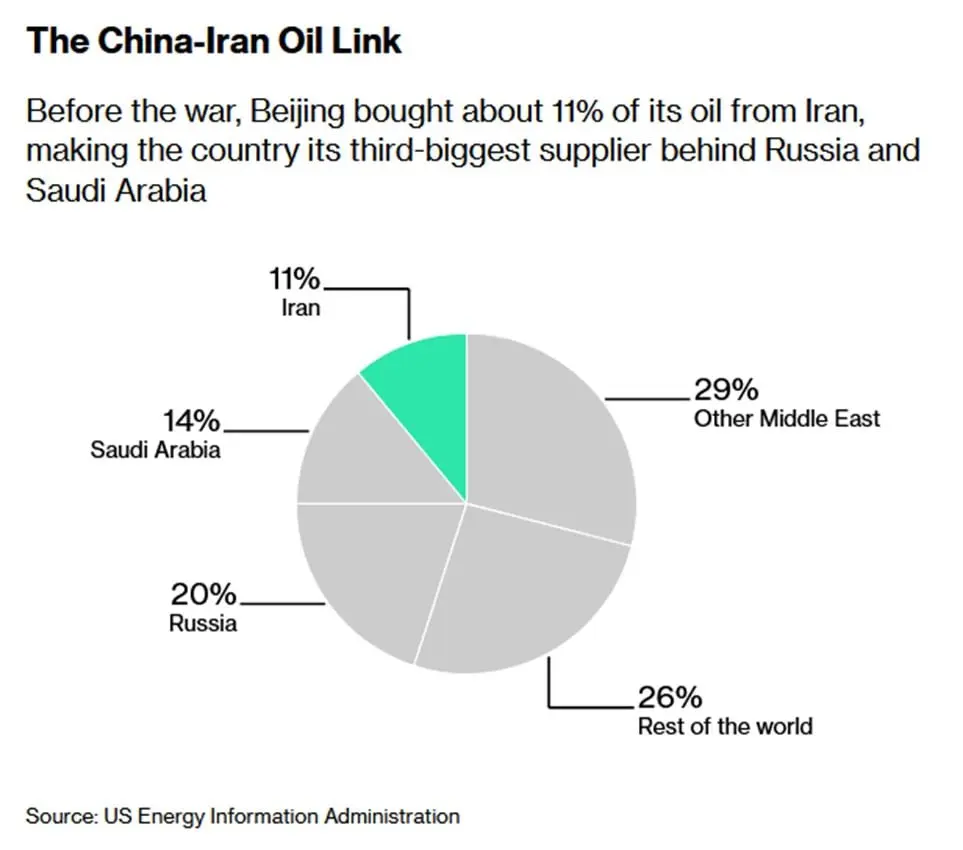
Almost one-quarter of global oil consumption may therefore face higher transport costs, delayed shipments, or geopolitical restrictions. That is why oil approached 100 and has remained in the 90s.
Why Gradual Strangulation May Be Worse Than Sudden Closure
Some ships are still moving, and some oil continues to flow. Gradual disruption can be more dangerous than a sudden closure. A complete shutdown creates an obvious emergency and forces governments to react at once. A gradual squeeze works through higher insurance, longer routes, more expensive freight, costlier raw materials, delayed inventories, and higher storage and financing costs.
Each increase looks manageable in isolation. Together they slowly enter the broader economy. The real threat is not one dramatic moment but persistent pressure building largely unnoticed.
The Three-Layer Market Framework
The crisis can be divided into three stages, each dependent on the previous one. Markets are currently considered to be only in Layer One.
Layer One: Immediate Fear
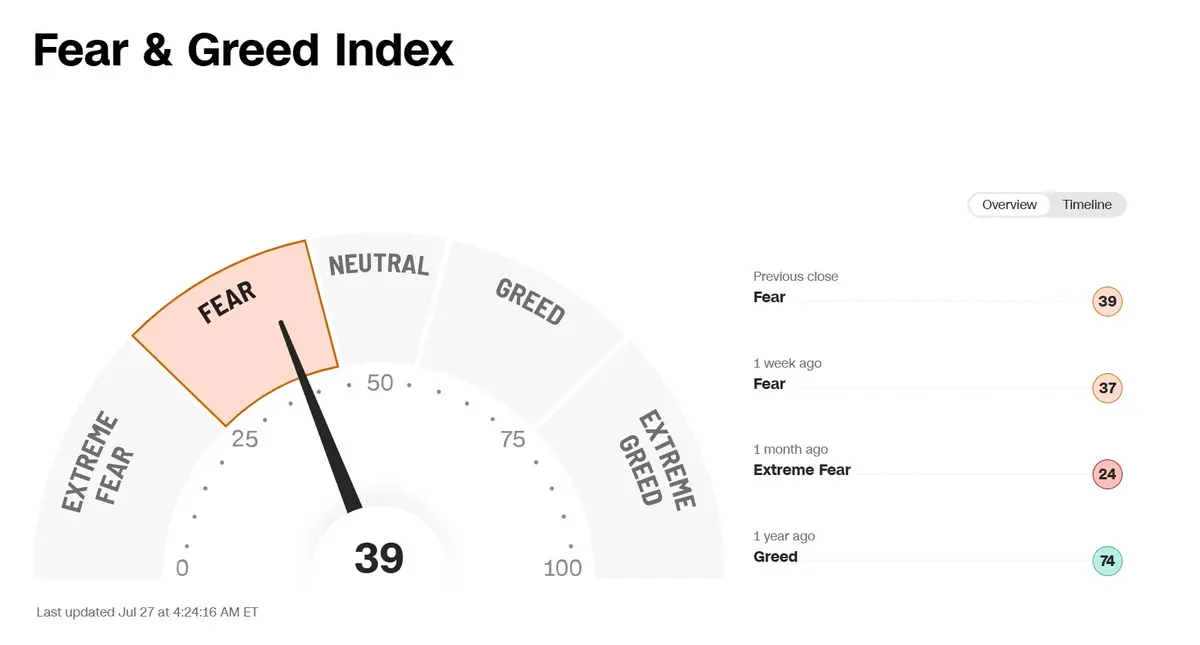
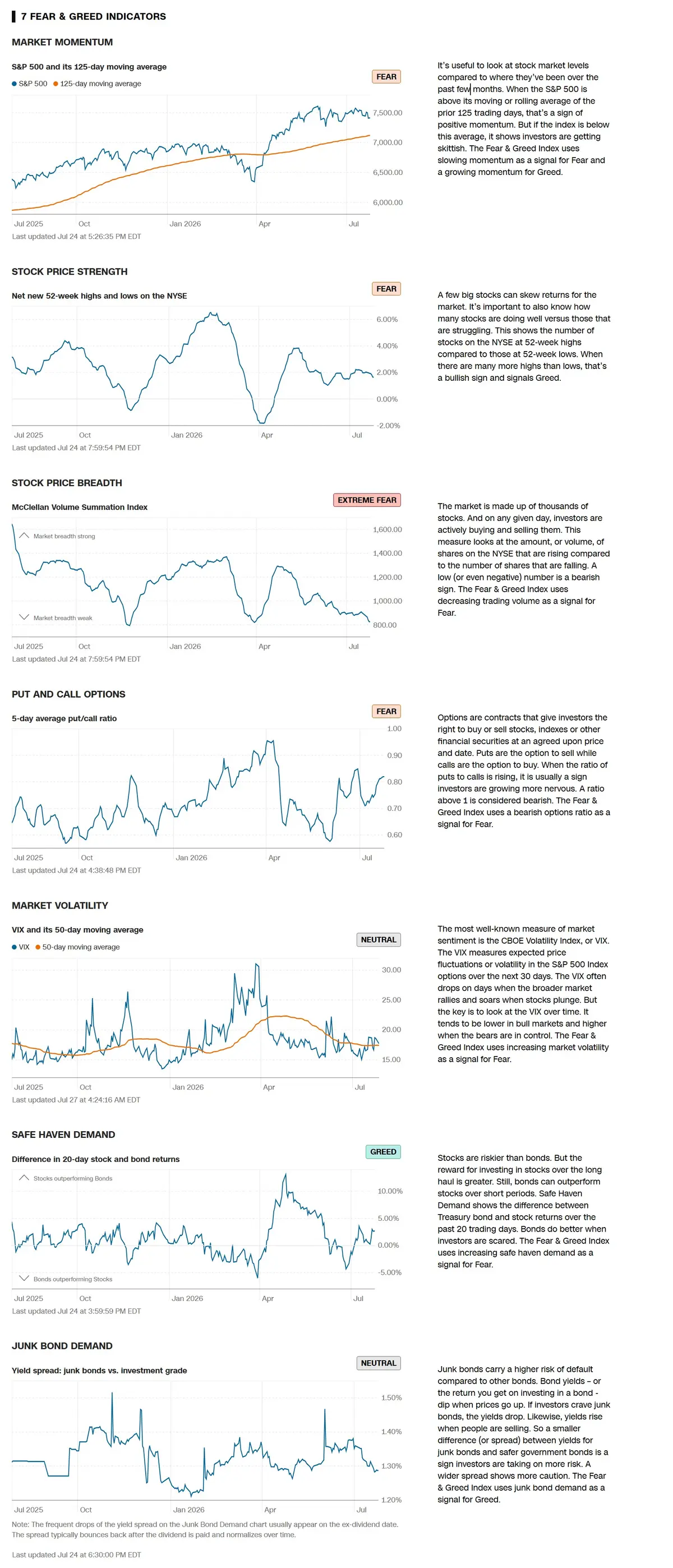
Time frame: days to several weeks. This is the phase visible now. Oil has risen about 30% in one month and briefly touched 100. The Nasdaq fell around 2.15100. The Nasdaq fell around 2.154 per gallon. Shipping and insurance costs rose. Expectations of a Federal Reserve rate rise increased to approximately 38% from around 12%.
Assets that may benefit include oil, energy shares, gold, and possibly silver. Assets likely to face pressure include technology stocks, growth equities, and crypto. This layer can reverse quickly. Previous ceasefires reportedly reduced oil by 15–20 per barrel within a few sessions, suggesting current weakness may still reflect fear rather than lasting economic damage.
Layer Two: Inflation Returns
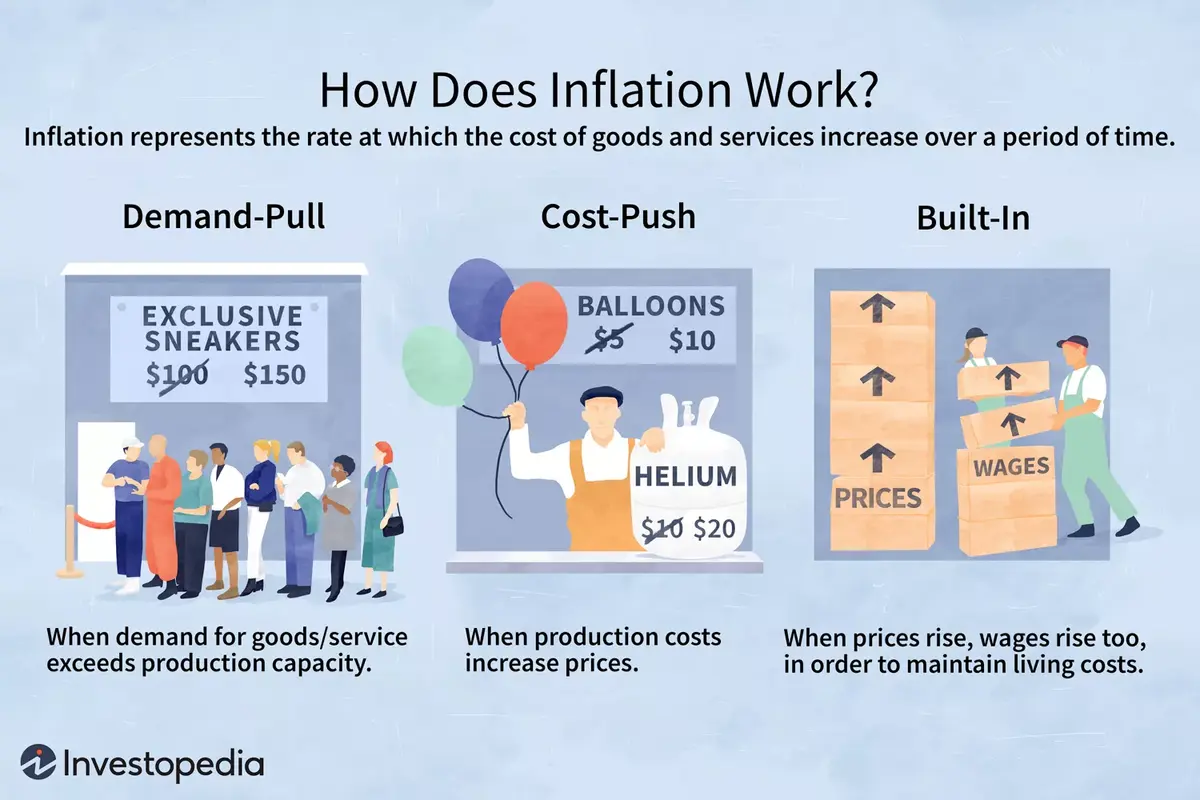
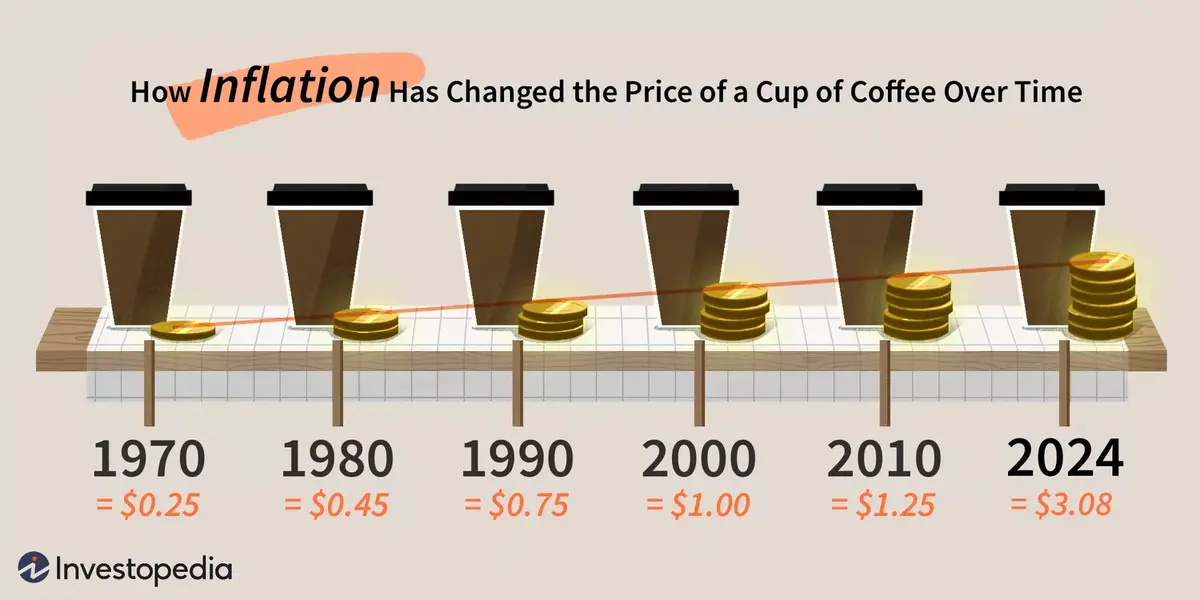
Time frame: four to eight weeks. This is the critical stage. Layer Two activates only if oil remains above approximately $90 for at least four consecutive weeks. Higher oil prices take time to pass through manufacturing, transport, warehousing, supply chains, wholesale prices, and consumer prices.
If a ceasefire arrives within one or two weeks and oil falls below about 85, this layer may never activate. Markets could recover, and the previous investment thesis would remain intact. But if foil stays above 85, this layer may never activate. Markets could recover and the previous investment thesis would remain intact. But if oil stays above 90 until the end, markets could recover and the previous investment thesis would remain intact. At that point the crisis moves from fear into measurable economic damage.
Layer Three: Stagflation
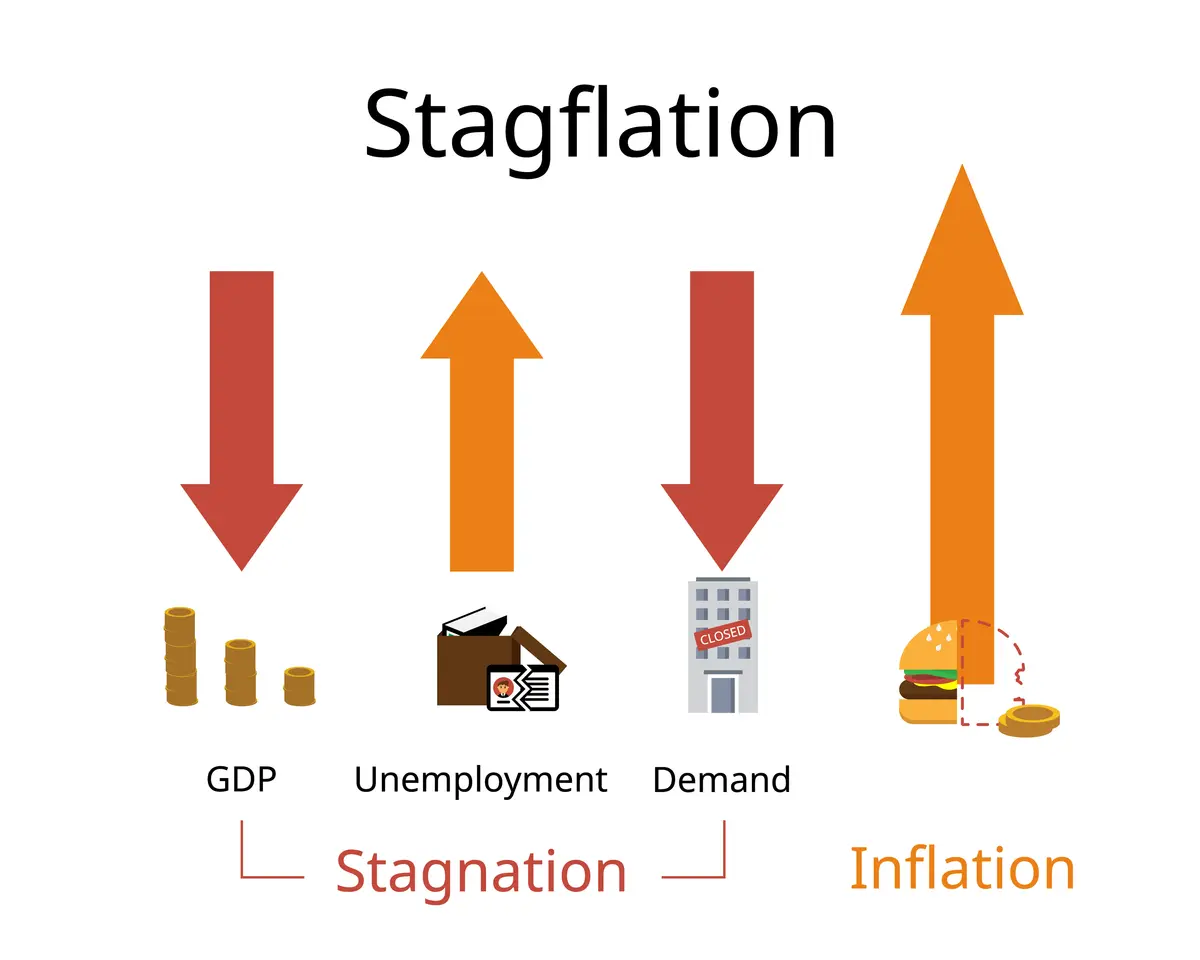
Time frame: three to six months. This is the most dangerous scenario and can occur only if Layer Two is activated. The sequence would be oil remains elevated; energy inflation spreads into core prices; the Federal Reserve raises interest rates; credit, investment, and employment weaken; and economic growth slows while inflation remains high. That is stagflation.
Assets most exposed would include technology shares, growth companies, real estate, heavily indebted businesses, crypto, and speculative assets. Assets that may perform better include gold, silver, energy companies, and defensive essential-goods businesses. Markets have not yet reached this stage.
Fear Is Not the Same as Economic Damage
Oil touched 100 and then fell below approximately 100 and then fell below approximately 97 despite little changing on the ground. That suggests much of the movement was driven by fear, positioning, and expectations. Fear trades can reverse quickly. Economic damage depends on duration. A brief oil spike creates volatility. A prolonged spike affects inflation, corporate margins, household spending, and central-bank policy. The most important variable is therefore not today’s price but how long oil remains elevated.
The Ceasefire Scenario
A 60% historical probability is assigned to some form of de-escalation, on the grounds that every escalation since February has eventually been followed by a truce. Mid-term elections also increase the political incentive for calm.
Several signals support this outlook. Mediators from Qatar, Egypt, Pakistan, and Türkiye reportedly proposed a 10-day ceasefire. Iran is said to have privately initiated the proposal through intermediaries, suggesting it may be looking for an exit. President Trump faces pressure from high petrel prices and congressional opposition. Saudi Arabia, the UAE, and Kuwait are among the most exposed and are likely to favor de-escalation. The Houthis have recently softened their language, saying their restrictions apply mainly to Saudi-linked vessels rather than all traffic. These factors support the case for a ceasefire.
The Escalation Scenario
Approximately a 40% probability is assigned to prolonged escalation severe enough to activate Layer Two. That risk rises if one of three conditions occurs.
First, oil remains above $95 for an extended period ahead of a major Federal Reserve decision, increasing the chance policymakers react to renewed inflation risk. Second, the Houthi blockade expands to target all ships rather than selected vessels, turning a selective restriction into a genuine closure. Third, energy infrastructure is attacked by the United States, Israel, or Iran, sharply escalating the crisis. The worst-case outcome would be a broader regional war involving Saudi Arabia and other Gulf states.
What This Means for Investors
The base case remains largely unchanged. There is still roughly a 60% probability that inflation stays contained and that the Federal Reserve avoids renewed aggressive tightening. The current oil shock has not yet invalidated the previous investment strategy. That thesis should change only if the crisis progresses from Layer One into Layer Two.
For now, investors should monitor how long oil remains above $90; marine-insurance premiums; shipping flows through both straits; whether the Houthi blockade broadens; core inflation data; and Federal Reserve policy language. Until those signals deteriorate, the market remains in the immediate-fear phase.
Seven Key Takeaways
-
The central question is whether oil reignites inflation. A temporary spike is a market event; a sustained spike becomes a macroeconomic event.
-
Hormuz and Bab el-Mandeb are now linked. Hormuz is the main Gulf export route; Bab el-Mandeb is the principal alternative. Pressure on both weakens the global backup system.
-
Insurance premiums are the best real-time indicator. Shipping may stop without an official closure if insurance costs make voyages unprofitable.
-
Nearly 25 million barrels per day may be exposed. Together the two routes account for a historically significant share of global supply against daily consumption of 102–104 million barrels.
-
Markets are still in Layer One. The current move reflects fear, rising oil, and pressure on risk assets. This phase can reverse quickly after a ceasefire.
-
Layer Two activates only if oil stays above $90. Oil must remain elevated for roughly four weeks before inflation is likely to be affected materially.
-
De-escalation remains the base case. A 60% probability is assigned to de-escalation and contained inflation and a 40% probability to prolonged escalation and renewed inflation. The investment outlook should change only when the evidence changes.
Final Summary
The OIL ... oil market is experiencing a geopolitical earthquake, but the economic consequences are not yet fully determined. Hormuz is heavily restricted. Bab el-Mandeb is under selective armed pressure. Almost 25 million barrels per day may be exposed to higher shipping, insurance, and security costs. Yet the decisive variable remains duration.
If a ceasefire arrives quickly and oil falls below 85, the inflation shock may disappear before reaching the wider economy. If oil remains above 85, the inflation shock may disappear before reaching the wider economy. If oil remains above $90–$95 for several weeks, inflation could return and force the Federal Reserve to reconsider interest rates. If that happens, the crisis could progress from fear to inflation and eventually to stagflation.
For now the market remains in the first layer. The correct response is not panic but disciplined monitoring of oil prices, shipping costs, inflation data, and central-bank policy. The market narrative has changed. The macroeconomic thesis has not yet been broken.



Comments
No comments yet. Be the first to share your thoughts!
Authentication Required
You must be logged in to post a comment.