
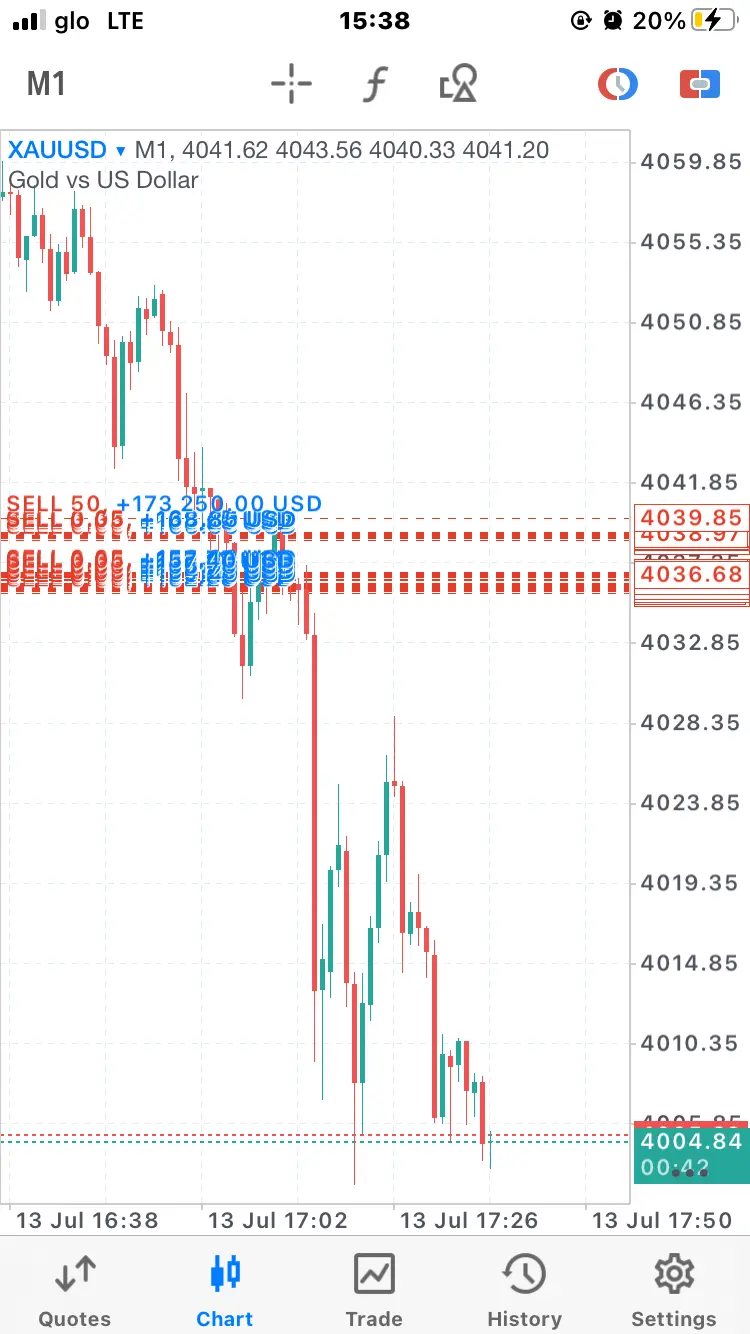
Advanced Market Structure: CHOCH vs. BOS and Complex Internal Order Flow

Advanced Market Structure: CHOCH vs. BOS and Complex Internal Order Flow
Every major move on a price chart leaves structural clues. While basic technical analysis teaches traders to draw generic higher highs and higher lows, institutional algorithms navigate market structure with mathematical precision.
To trade alongside smart money, you must distinguish between a temporary pullback, a structural continuation, and an authentic reversal. This requires mastering the exact mechanics of Break of Structure (BOS), Change of Character (CHOCH), and Internal vs. External Liquidity.
Structural Reversal vs. Structural Continuation
The foundation of tracking order flow relies on recognizing whether the algorithm is extending the current trend or actively flipping the directional bias.
+---------------------------------------------------------------------+
|                       STRUCTURAL SHIFT MATRIX                                   |
|                                                                                 |
|  Event                   Algorithmic Meaning                                    ||  -----                   -------------------                                    |
| Break of Structure     Trend Continuation (Injects momentum in                      |                        primary bias)
| Change of Character    Early Warning Reversal (Shifts lower-timeframe |                        bias)
| Liquidity Sweep    rap / Manipulation (Fake structural break)
+---------------------------------------------------------------------+
1. Break of Structure (BOS)
A Break of Structure represents trend continuation. In a bullish trend, a BOS occurs when price aggressively expands upward and breaks through the previous swing high, confirming that institutional order flow remains buy-side dominant.
-
Key Requirement: For a valid BOS on higher timeframes, price must have a full candle body close beyond the structural swing point, not just a wick sweep.
2. Change of Character (CHOCH)
A Change of Character is the very first structural indication of a potential trend reversal. In a bullish market, a CHOCH occurs when price fails to make a new higher high and instead breaks below the last key swing low that generated the peak.
-
Key Requirement: A CHOCH usually occurs after price has swept a major Higher Timeframe (HTF) liquidity pool or tapped into a supply/demand zone.
Visualizing the Structural Sequence
Understanding how CHOCH transitions into BOS allows you to capture low-risk entries at the absolute turning point of a trend.
+---------------------------------------------------------------------+
|                         THE CHOCH TO BOS EVOLUTION                              |
|                                                                                 |
|                  (Higher High)                                                  |
|                       /                                                        |
|                      /                                                         |
|                     /        <-- Sweeps HTF Liquidity Pool                     |
|    /              /                                                           |
|   /      /      /                                                            |
|  /      /      /                                                             |
|        /      /                                                              |
|               /                                                               |
|          (Key Swing Low)                                                       |
|                                   <-- BREAKS SWING LOW (CHOCH)                 |
|                                  _______                                       |
|                                             <-- Retest of Supply     |                                                  (ENTRY)
|                                           ________                             |
|                                                                                |
|                                                     V  <-- Valid       |                                                           Bearish BOS
+------------------------------------------------------------------+
-
The Trap: Price makes a final leg up, sweeping previous buy-side liquidity into an unmitigated 4-Hour supply zone.
-
The Shift (CHOCH): Price aggressively drops down, breaking through the last 15-minute swing low that created the highest high. This confirms that institutions are unloading long positions and opening shorts.
-
The Confirmation (BOS): After pulling back into a Fair Value Gap inside the supply zone, price drops again and closes below the low created by the CHOCH. This secondary break constitutes a confirmed bearish BOS.
External vs. Internal Market Structure
One of the most frequent mistakes traders make is confusing Internal Structure (sub-structure) with External Structure (swing structure).
+---------------------------------------------------------------------+
|                       INTERNAL VS. EXTERNAL STRUCTURE                           |
|                                                                                 |
|   [ SWING HIGH ] (External Buy-Side Liquidity)                                  |
|   =======================================================================   |
|   |                                                                         |   |
|   |   /        /                                                          |   |
|   |  /    /  /    <-- Complex Internal Structure                         |   |
|   | /    /  /         (No external swing breaks)                         |   |
|   |/                                                                       |
|   =======================================================================   |
|   [ SWING LOW ] (External Sell-Side Liquidity)                                  |
+---------------------------------------------------------------------+
-
External Structure (Swing Structure): Defines the macro boundary of the market range. These major swing highs and lows contain significant pools of Liquidity (PDH, PDL, Weekly Highs/Lows).
-
Internal Structure (Sub-Structure): The minor swings formed inside the external range during retracements.
Structural Discipline Rule:
Do not mistake an internal structural break for a macro trend reversal. Internal breaks are simply the market generating temporary liquidity as it retraces back to an unmitigated Order Block or Fair Value Gap within the external range.
Execution Playbook: Trading Structural Shifts
-
Map External Range: Mark the current 4-Hour Swing High and Swing Low to establish your macro working range.
-
Identify the Catalysts: Look for external liquidity sweeps into higher-timeframe Points of Interest (POIs).
-
Wait for the CHOCH: Drop to your 1-minute or 5-minute execution chart and wait for a clear CHOCH with strong candle displacement.
-
Enter on Retest: Place your limit order at the Fair Value Gap or Order Block that caused the CHOCH, placing your stop loss safely beyond the extreme sweep wick.

Comments
No comments yet. Be the first to share your thoughts!
Authentication Required
You must be logged in to post a comment.