

The Tariff Cut Everyone’s Talking About Isn’t the One That Matters This Week
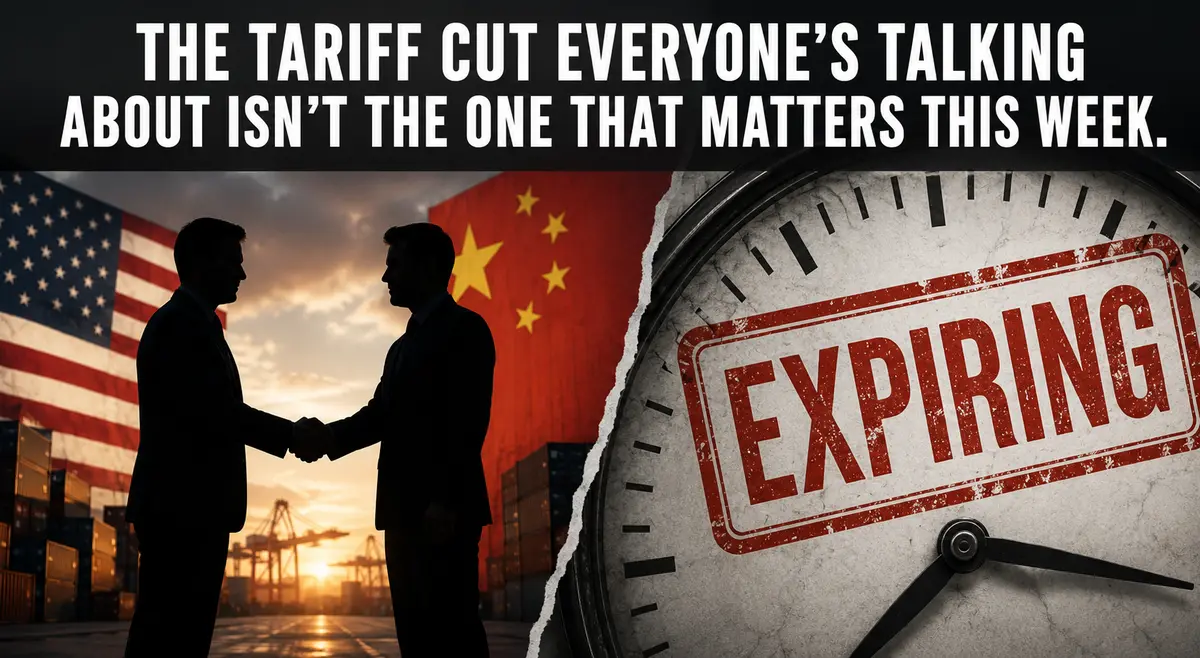
A tweet went around this week: China and the US are working on a tariff cut plan agreed during their summit. Technically true. Also, in my view, badly timed to be read at face value.
Here’s what’s actually happening in the background while that headline circulates: the 10% global tariff the US has been applying under Section 122 expires tomorrow, July 24. It’s expected to be replaced by an entirely different tariff mechanism, Section 301, hitting 60 countries including China. That’s not part of the “cut” conversation anywhere. Nobody’s tweeting about it. And I think it matters more than the headline that is getting tweeted about.
A Friendly Headline, Badly Timed
Trade headlines involving China have a way of landing exactly when traders are least equipped to evaluate them properly. This one dropped in the middle of a legal transition most people aren’t tracking. If you only read the tweet, you’d walk away thinking US-China trade friction is broadly de-escalating. That’s not wrong, exactly. It’s just incomplete in a way that matters if you’re pricing risk this week specifically.
What the “Cut” Actually Covers
The May Summit Framework
Back in May, Trump and Xi sat down in Beijing, Trump’s first trip to the Chinese capital since 2017, and floated a “Board of Trade” concept: each side identifying roughly $30 billion worth of non-sensitive goods to cut tariffs on.
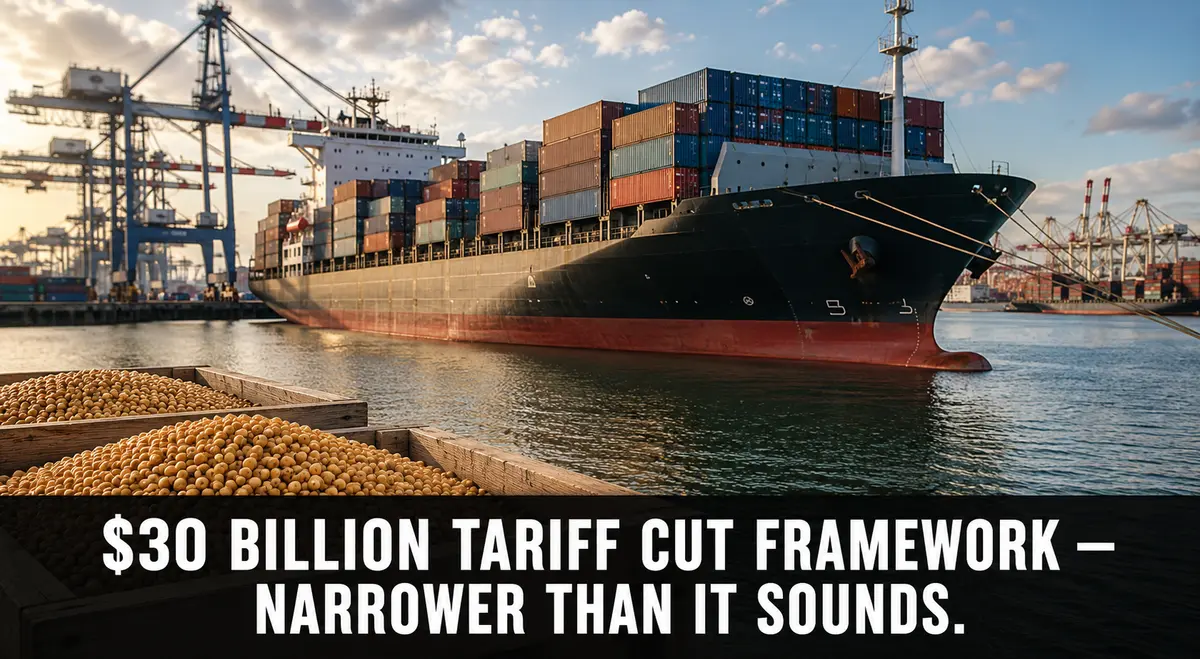
That framework got a follow-up in early July, when both governments agreed in principle to fold agricultural products into it too.
Why This Is Narrower Than It Sounds
Here’s my issue with how this gets reported: “tariff cut plan” makes it sound like a broad rollback. It isn’t. It’s a defined, negotiated list of specific goods, soybeans, certain agricultural categories, a bucket of “non-sensitive” industrial products. It’s real, and it’s good news for the sectors it covers. But it is not a signal about the overall trajectory of US-China tariffs. Treating it as one is where I think traders get it wrong.
The Deadline Nobody’s Tweeting About
Section 122 Expires Tomorrow
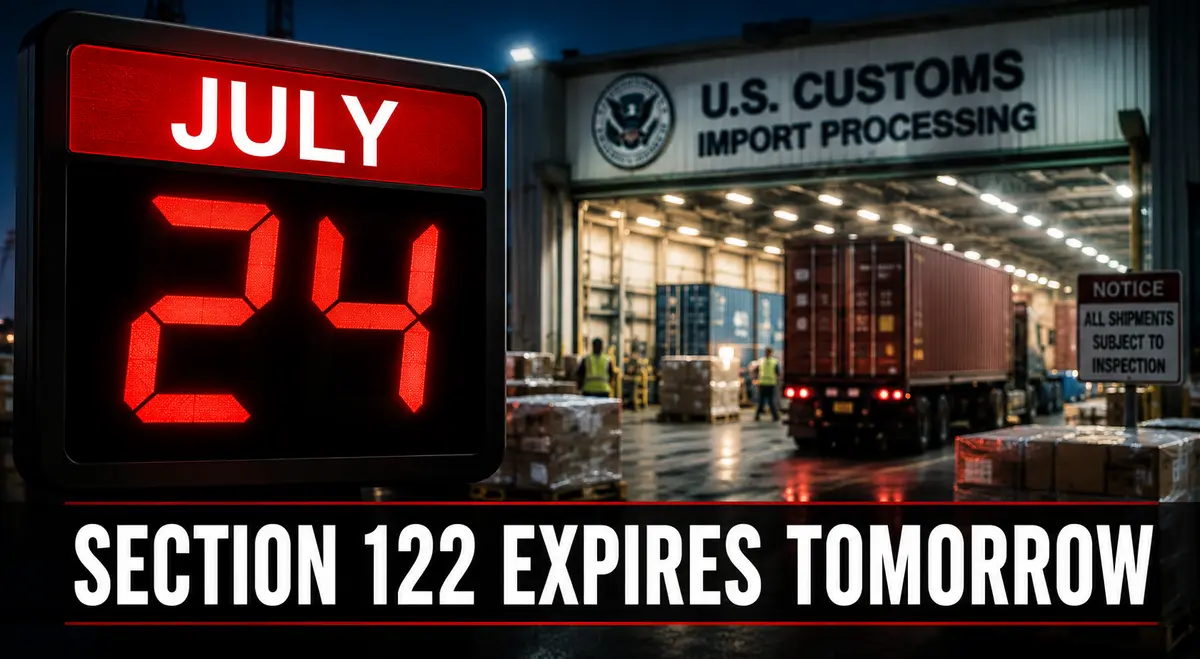
Section 122 is the legal basis for the 10% tariff currently applied to a huge swath of global imports, including from China. That authority expires at midnight tomorrow, July 24. This isn’t speculative, it’s a hard date written into the existing order.
What’s Supposed to Replace It, And Why It Might Not, Yet
The USTR has proposed what fills the gap: Section 301 tariffs at 10% or 12.5%, applied across 60 economies under a forced-labor investigation. China sits in the roughly 45-country bucket facing the proposed 12.5% rate, having been found to have failed to effectively enforce a forced-labor import prohibition.
Here’s the part that actually surprised me when I checked it: that replacement isn’t finished. As of this week, USTR’s own trade representative testified to Congress that the Section 301 framework remains unfinalized. Which means the honest near-term outcome of tomorrow’s deadline isn’t a clean handoff from one tariff to another, it’s a real, if likely temporary, drop in the average US tariff rate, from roughly 13% down to about 7.2%, simply because the replacement isn’t ready to click into place the moment the old one expires.
I want to be precise on the mechanics too, because I don’t think the coverage I’ve seen gets this right. The new Section 301 tariff, as proposed, does not stack on top of Section 232 tariffs, meaning if a Chinese product is already hit with a Section 232 duty (steel, aluminum, semiconductors, whatever category applies), this new 301 layer isn’t meant to pile on top of it. That part is fairly well confirmed across the trade-law firms tracking this. What’s genuinely still unresolved, according to the same firms, is whether this new 301 tariff will stack on top of China’s existing, older Section 301 tariffs, the ones left over from the original trade war. Nobody official has said yes or no yet. That’s not a minor footnote. That’s the exact kind of detail that decides whether Chinese goods get cheaper or more expensive at the border once this actually finalizes.
Why the Mechanism Matters More Than the Number
Here’s the part I actually care about. Section 122 has already been ruled unlawful once, by the Court of International Trade back in May, with the Administration’s appeal still working through the system. It’s legally shaky ground. Section 301 is a completely different statutory basis, older, more tested, and not vulnerable to the same court challenge currently hanging over Section 122.
So what’s actually happening this week isn’t just a rate adjustment.
It’s the tariff regime on China moving from a legally contested foundation to a sturdier one. That’s a bigger deal than 10% versus 12.5%, and it’s not the story anyone’s telling right now.
Two Tracks, One Week
This is the core of my take: the “cut” story and the “replacement” story are running on completely separate legal tracks, and they happen to collide in the same seven days, except one of those tracks isn’t even finished yet, which makes the whole picture messier than either headline suggests.
I’m not saying the tariff cut is fake, it isn’t. The Board of Trade framework is real, and if you’re in agricultural exports or one of the covered industrial categories, it’s genuinely good news. What I am saying is that it’s sharing headline space with something structurally more significant and considerably less settled: a baseline tariff mechanism that’s about to lapse without its replacement locked in, on rates that could land anywhere from a genuine short-term dip to a higher, harder-to-reverse floor once Section 301 actually finalizes. The friendly story is drowning out the one that actually determines the legal footing of US-China trade policy going into the back half of the year, and right now, even the people writing the replacement rule haven’t settled it.
What This Means for Traders and Importers
If you’re an importer, this is not abstract. Goods need to clear customs before Friday’s cutoff to lock in the current Section 122 rate rather than whatever Section 301 rate lands in its place. That’s a real, dated, actionable window, not a market thesis, an operational deadline.
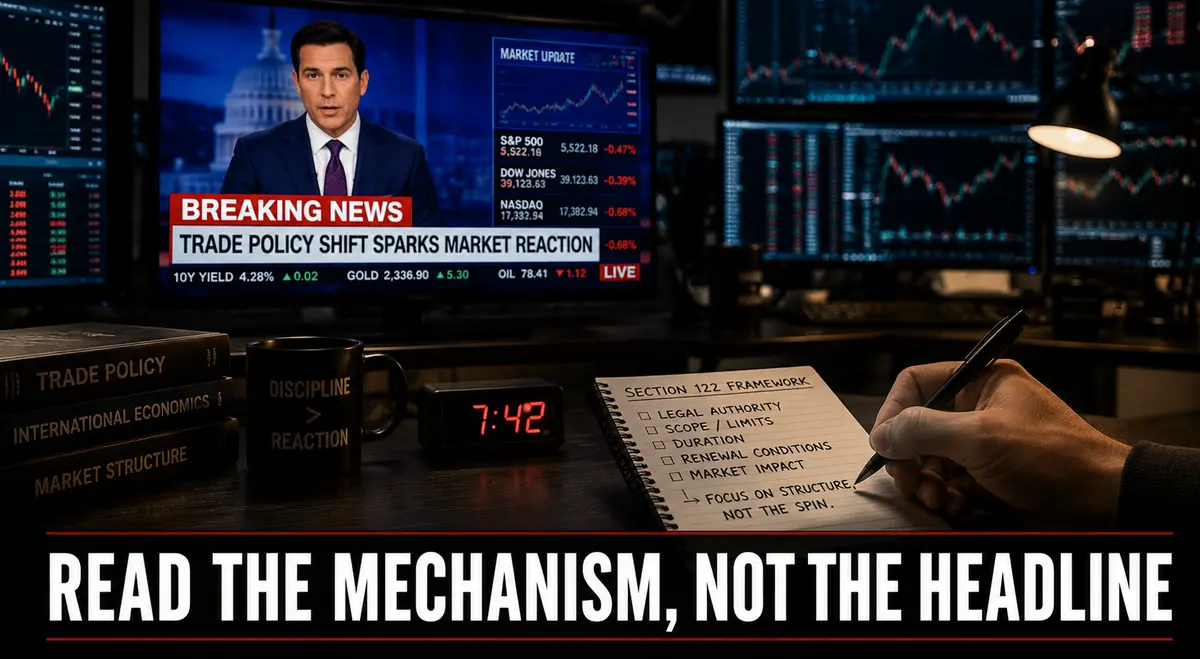
If you’re trading around this, my take is simple: don’t read “tariff cut” as a signal of broad de-escalation between the US and China. If anything, the underlying legal machinery just got more durable, not less. A narrow tariff cut on soybeans doesn’t offset a structural shift in how the baseline tariff on Chinese goods gets justified going forward. Read the mechanism, not the press release, same discipline I’d apply to a Fed statement versus what the Fed actually does with rates afterward.
What Would Change the Picture
I’d genuinely revise this view if the Board of Trade framework expanded well beyond its current $30 billion scope, or if USTR came out and confirmed the new Section 301 tariffs won’t stack on China’s existing Section 301 duties either, that would meaningfully cap the downside for importers. Neither of those has happened yet. What I’m watching over the next few weeks: how long the gap between Section 122’s expiration and Section 301’s finalization actually runs, and what rate structure comes out the other side. Until that’s resolved, I’d treat this week’s “cut” headline as a narrow, sector-specific positive sitting on top of a tariff foundation that’s genuinely in flux, not one that’s quietly settling in the US’s favor.
Risk Disclaimer
Tariff policy and trade negotiations are subject to rapid change, and legal challenges to current tariff authorities remain unresolved. Nothing in this article constitutes financial, legal, or trade compliance advice. Importers should consult a licensed customs broker or trade attorney for guidance specific to their goods and entry timing. Traders should size any positions according to their own risk tolerance.

Comments
No comments yet. Be the first to share your thoughts!
Authentication Required
You must be logged in to post a comment.