

Axfood Squeezed by Deflation: How Falling Food Prices Are Weighing on the Swedish Retailer
Introduction: When Deflation Becomes a Problem
The second quarter of 2026 was a disappointing period for Swedish grocery retailer Axfood AXFOF ... . The company reported revenue of SEK 23.2 billion SEKUSD ... , an increase of 0.9% compared with the previous year, but below analysts’ expectations. Operating profit also fell short of forecasts, reaching SEK 964 million.
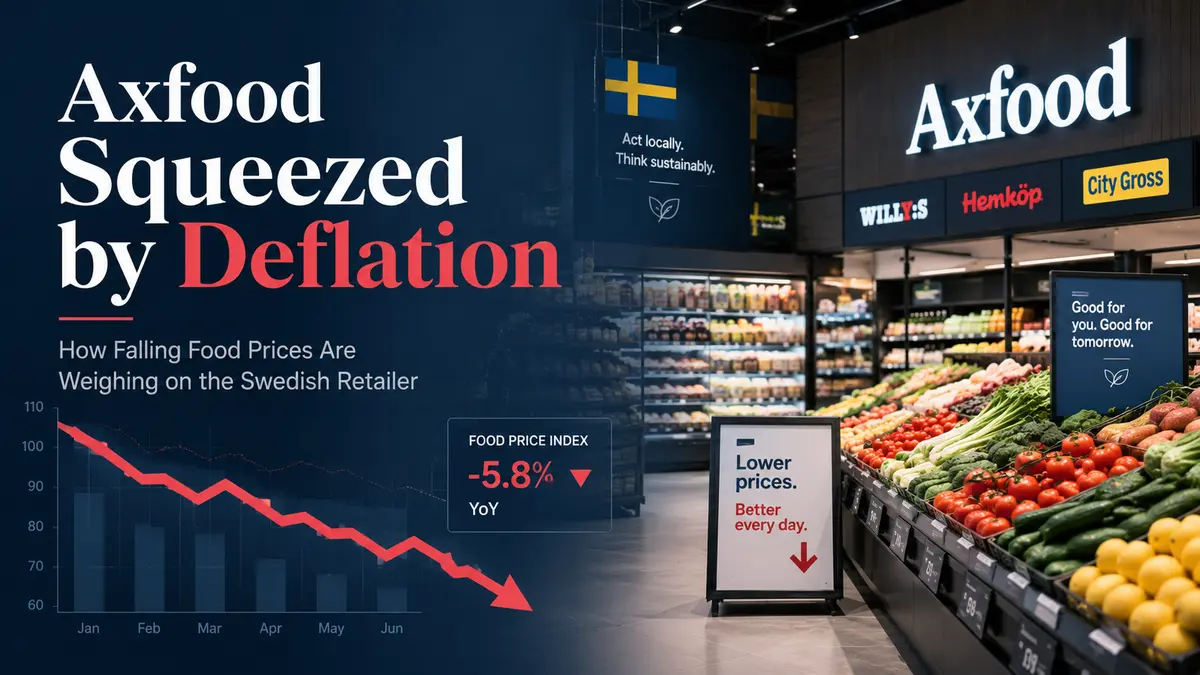
The main reason was food price deflation, which put pressure on the company’s growth. While many businesses struggle with inflation, Axfood has encountered the opposite problem: falling food prices are reducing revenue and profit margins. Calendar effects also played a role, creating additional pressure.
However, the situation is not entirely negative. The Hemköp supermarket chain recorded growth of 7.4% and increased its market share. The company also reaffirmed its intention to bring the City Gross chain to profitability in the second half of 2026. In this article, we will examine the key factors affecting Axfood, assess its prospects, and explore how the company plans to address these challenges.
Financial Performance: Disappointing Figures
Revenue Below Forecasts
Axfood’s revenue for the second quarter amounted to SEK 23.2 billion, representing an increase of 0.9% compared with the previous year. However, analysts had expected SEK 23.67 billion, and the SEK 470 million shortfall was a significant disappointment.
Revenue growth of only 0.9% is minimal and indicates that the company is experiencing difficulties in expanding its sales.
Operating Profit Falls Short of Expectations
Operating profit amounted to SEK 964 million, below the analysts’ forecast of SEK 1.008 billion. The EBIT margin stood at 4.20%, which was also lower than expected.
The decline in operating profit reflects pressure from deflation and rising costs.
Net Profit and Earnings per Share
Net profit for the quarter amounted to SEK 647 million, while adjusted earnings per share came to SEK 2.94. Both figures were lower than in the previous year, raising concerns among investors.
The decline in net profit indicates that the company has been unable to offset the pressure on revenue and margins.
Food Price Deflation: The Main Obstacle to Growth
What Is Food Price Deflation?
Food price deflation refers to a decline in the prices of food products. While this may be positive for consumers, it creates significant challenges for retailers.
When prices fall, a retailer’s revenue decreases even when sales volumes remain unchanged. This puts pressure on margins and profits.
Impact on Axfood
Axfood reported that food price deflation weighed on growth during the reporting period. This means that the company was unable to compensate for falling prices through higher sales volumes.
Deflation may also lead to price wars between retailers, placing even greater pressure on profit margins.
Calendar Effects
Calendar effects also contributed to the pressure on Axfood’s results. These may include changes in the timing of public holidays, shifts in consumer behavior, or other factors that influence sales.
Axfood did not specify which calendar effects affected its performance, but they likely intensified the pressure caused by deflation.
Retail Chains: Hemköp Is Growing, While City Gross Moves Toward Profitability
Hemköp: Growth of 7.4%
Hemköp, which is owned by Axfood, recorded growth of 7.4% and increased its market share. This is a positive sign, indicating that the company is successfully strengthening its competitive position.
Hemköp’s growth may have been driven by efforts to attract more customers, improve its product range, or implement more effective marketing strategies.
City Gross: Moving Toward Profitability
Axfood reaffirmed its intention to bring City Gross to profitability in the second half of 2026. This is an ambitious goal that will require considerable effort.
City Gross is an important asset for Axfood, and achieving profitability could become a major driver of future growth.
Other Retail Chains
Axfood owns several retail chains, including Willys, and their individual performance may vary. However, the report specifically mentioned only Hemköp and City Gross.
The company’s other chains are also likely experiencing pressure from food price deflation and calendar effects.
Company Strategy: Optimization and Long-Term Plans
Logistics Optimization
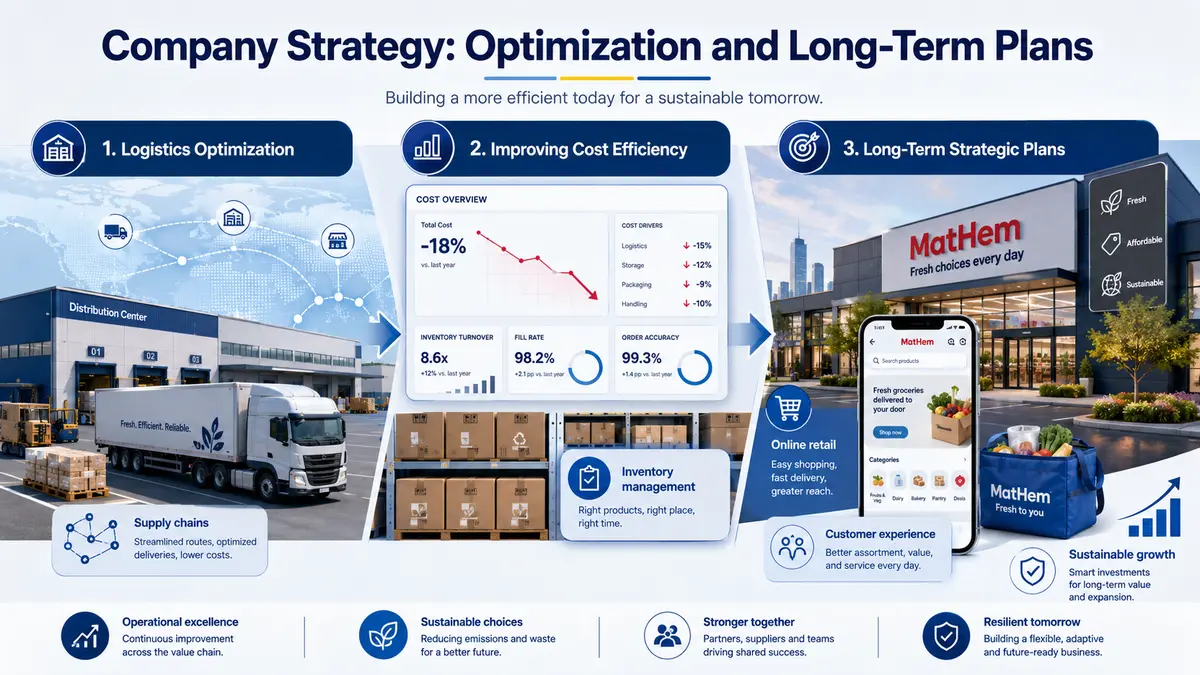
Axfood stated that it would continue working to optimize logistics and improve cost efficiency. This includes enhancing supply chains, reducing expenses, and increasing operational efficiency.
Logistics optimization may help offset the pressure caused by deflation and rising costs.
Improving Cost Efficiency
The company is also working to improve cost efficiency amid food price deflation and rising fuel prices. These efforts include reducing operating expenses and improving inventory management.
Greater efficiency may help Axfood preserve its margins and profitability.
Long-Term Strategic Plans
Axfood stated that it continues to implement its long-term strategic plans and targeted measures designed to stimulate growth. These include investments in new store formats, the development of online retail, and improvements to the customer experience.
These long-term initiatives may help the company adapt to changing market conditions.
Forecasts and Prospects
Expectations for City Gross
Axfood expects City Gross to become profitable in the second half of 2026. Should this happen, it would represent an important positive signal for investors.
The success of City Gross will depend on the company’s ability to attract customers and control costs.
Deflationary Pressure
Food price deflation may continue to put pressure on Axfood’s revenue and profit margins over the coming quarters. The company will need to find ways to offset this impact.
Possible measures include increasing sales volumes, improving the product range, and enhancing operational efficiency.
Rising Fuel Prices
Rising fuel prices are also placing pressure on Axfood by increasing logistics expenses. The company will need to balance passing higher costs on to consumers with maintaining its competitiveness.
Managing fuel costs is becoming increasingly important for retailers.
What This Means for Investors
Short-Term Pressure
Axfood’s second-quarter results disappointed investors. Revenue and operating profit falling below forecasts are likely to place short-term pressure on the company’s shares.
Investors should take these risks into account when evaluating the company.
Long-Term Potential
From a long-term perspective, Axfood remains one of Sweden’s leading grocery retailers. Hemköp’s growth, the plans to bring City Gross to profitability, and ongoing cost-optimization measures provide a foundation for recovery.
Investors with a long-term horizon may view the company’s current difficulties as a potential entry opportunity.
Diversification and Strategy
Investors should assess Axfood’s strategy and its ability to adapt to changing market conditions. Diversification across different store chains and retail formats may help the company reduce its risks.
Despite its current difficulties, Axfood continues to invest in long-term growth.
Conclusion: A Time of Challenges and Opportunities
The second quarter of 2026 was a challenging period for Axfood. Revenue increased by only 0.9% and fell short of analysts’ forecasts, while operating profit was also below expectations. Food price deflation and calendar effects placed considerable pressure on the company’s performance.
However, the situation is not entirely negative. Hemköp recorded growth of 7.4% and increased its market share. Axfood also reaffirmed its intention to bring City Gross to profitability in the second half of 2026. At the same time, the company continues to implement its long-term strategic plans and optimize its logistics operations.
For investors, Axfood’s results send a mixed signal. Short-term pressure remains, but the company’s long-term prospects are still positive. Axfood maintains a strong position in the Swedish market and has opportunities for further growth.
Axfood continues to adapt to changing market conditions by pursuing growth opportunities and improving cost efficiency. The coming months will show whether the company can overcome its current difficulties and enter a new phase of growth.


Comments
No comments yet. Be the first to share your thoughts!
Authentication Required
You must be logged in to post a comment.