

Market Makers vs. Taker Orders — The Mechanics of Spread Capture and Execution Friction
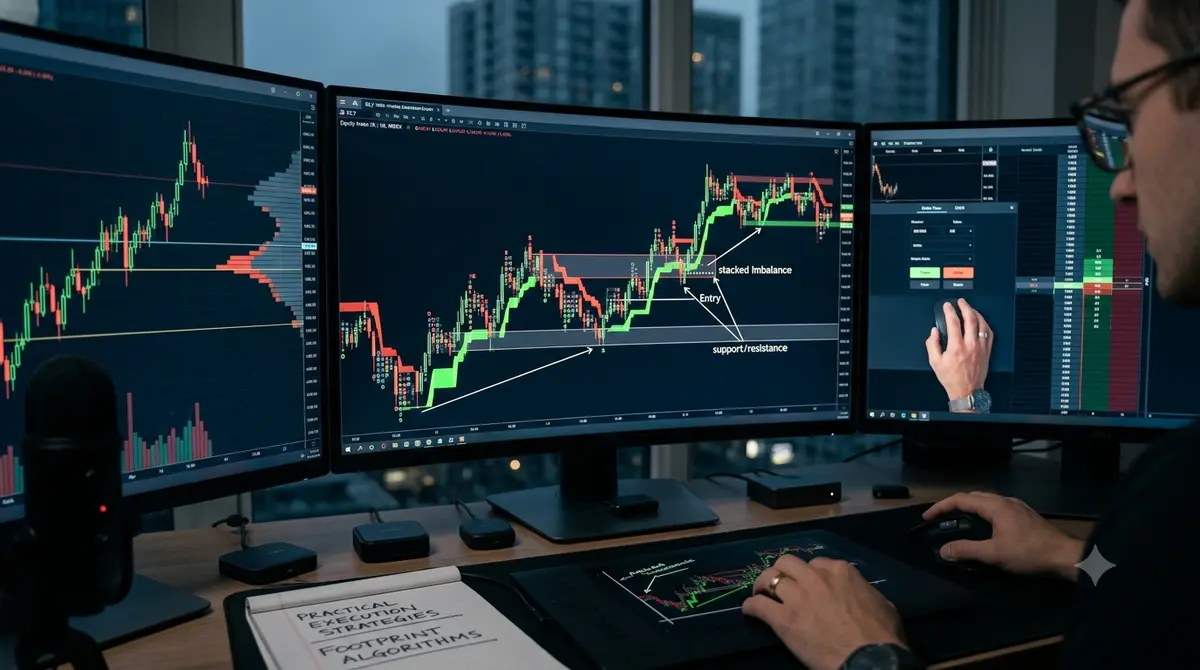
Every transaction in a centralized financial market boils down to a fundamental compromise between price and time. When you interact with an exchange matching engine, you are forced to make a choice: do you want to guarantee your execution price, or do you want to guarantee your execution speed? You cannot demand both. This exact friction point divides all market participants into two distinct categories: Liquidity Makers and Liquidity Takers.
Understanding the structural relationship between these two forces is not just a theoretical exercise. It directly dictates the fees you pay, the slippage you suffer, and the underlying reasons why order books thin out during volatile periods.
The Market Maker: Capitalizing on Patience
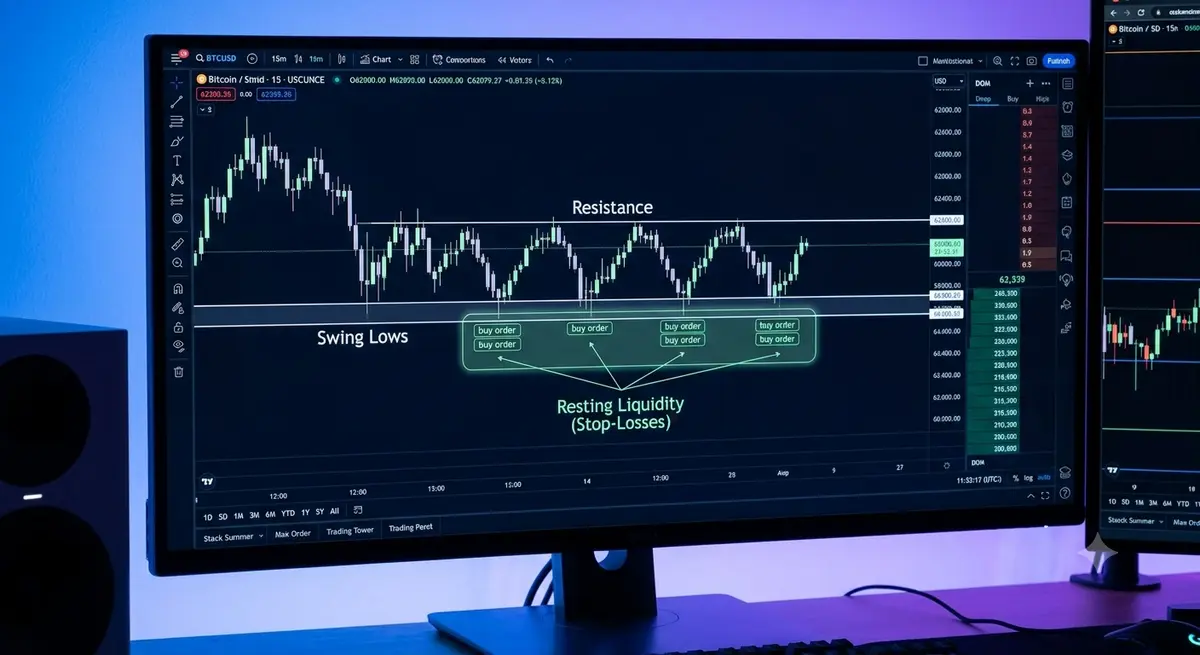
A market maker is any participant who provides resting liquidity to the order book. While the term often conjures images of massive high-frequency trading firms or tier-one bank dealing desks, the mechanical definition is much simpler. The moment you place a passive limit order that sits inside the queue waiting to be filled, you are acting as a market maker. You are adding depth to the market.
Professional market makers operate by simultaneously quoting limit orders on both sides of the book—stacking bids below the current price and offers above it. Their primary objective is to capture the bid-ask spread. If a market maker successfully buys at the bid and sells at the ask thousands of times a day, they harvest the fractional difference between those two prices, accumulating massive, low-risk profits over time.
However, providing liquidity carries a severe structural vulnerability: Inventory Risk. When a market maker places passive limit orders, they are essentially offering a free option to the rest of the market. They are stating, “I am willing to transact at this price whenever you are ready.” If macroeconomic news breaks or an aggressive institutional buyer suddenly steps into the market, the market maker’s resting orders will be instantly executed. They will find themselves holding a large, unwanted inventory of an asset that is rapidly moving against their position.
To survive, market makers rely on statistical mean reversion. They want the market to chop back and forth so they can constantly flip their inventory. The moment the market shifts into a strong, directional trend, market makers begin taking heavy losses on their resting orders.
The Taker: Paying for Immediacy
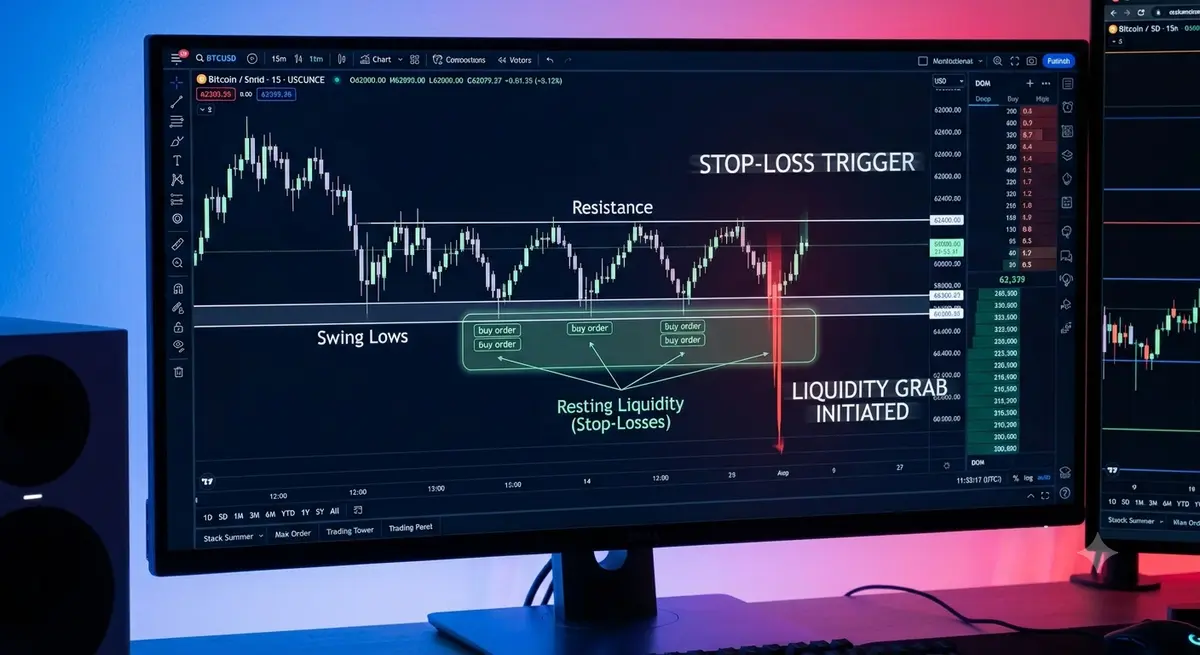
A liquidity taker is any participant who demands immediate execution. When you submit a market order, or a stop-loss order that converts into a market order upon activation, you cross the spread and consume resting liquidity. You are removing depth from the book.
The taker sacrifices price control in exchange for certainty of execution. If you need to enter a breakout before price runs away, or if you need to liquidate a collapsing position to prevent a margin call, you cannot afford to wait in line with a passive limit order. You must pay the toll required for immediacy. That toll consists of two distinct costs:
-
The Bid-Ask Spread: By crossing the spread, you immediately absorb a fractional loss. You buy at the higher offer and sell at the lower bid.
-
Execution Slippage: If your taker order is larger than the liquidity available at the best quoted price level, your order will sweep deeper into the book, resulting in progressively worse fill prices.
Aggressive takers are the engine of price movement. Without takers willing to cross the spread and aggressively lift offers or hit bids, markets would remain entirely static.
Adverse Selection and Toxic Order Flow
The constant battle between makers and takers revolves around a concept called adverse selection. Adverse selection occurs when a market maker provides liquidity to a taker who possesses superior information or overwhelming size.
For example, if a major hedge fund decides to liquidate $500 million worth of equities, they will ruthlessly hit every bid on the order book. The market makers sitting on those bids will get filled, assuming it is just normal market noise. Moments later, as the massive sell-off continues, the market makers realize they are on the wrong side of a structural avalanche. This is known as toxic order flow.
When algorithms detect toxic order flow, market makers immediately cancel their resting limit orders and pull their liquidity from the market to protect their capital. This sudden vanishing of liquidity is what causes flash crashes and violent volatility spikes. The order book becomes hollow, meaning any subsequent taker orders will sweep through massive price voids, accelerating the market collapse.
The Maker-Taker Fee Model
To keep markets healthy, exchanges need deep limit order books. If an exchange has thin liquidity, traders will experience terrible slippage and eventually move their capital to a competing venue. To incentivize liquidity provision, most modern exchanges operate on a Maker-Taker fee schedule.
Under this model, the exchange actively penalizes the taker and rewards the maker.
-
Taker Fees: Participants who use market orders pay a higher transaction fee because they are extracting liquidity from the venue.
-
Maker Rebates: Participants who use limit orders pay a significantly lower fee, and in many institutional environments, they actually receive a cash rebate from the exchange for adding liquidity to the book.
Practical Execution Rules for Active Traders
Understanding your role as a maker or taker allows you to drastically reduce operational drag on your portfolio:
-
Enter Passively (Be the Maker): When initiating a position in a ranging or slow-moving market, use limit orders. By resting your order on the bid or ask, you avoid crossing the spread, minimize slippage, and often qualify for lower exchange commission tiers.
-
Exit Aggressively When Wrong (Be the Taker): Never use a limit order for your protective stop loss. When your trade thesis is invalidated, the priority is absolute immediacy. You must be willing to pay the spread and absorb slippage to cut your exposure before the loss compounds.
-
Avoid the Spread Trap in Illiquid Markets: If you are trading exotic forex pairs, small-cap equities, or altcoins during low-volume sessions, the cost of being a taker is exponentially higher. In these environments, operating strictly as a liquidity maker via limit orders is often the only mathematically viable way to trade.
By consciously deciding when to pay for speed and when to get paid for patience, you stop hemorrhaging capital to invisible transaction costs and align your execution style with institutional mechanics.

Comments
No comments yet. Be the first to share your thoughts!
Authentication Required
You must be logged in to post a comment.