

USD/DOP — Service Inflow Architecture, High-Yield Credit Traps, and BCRD Policy
In the Caribbean basin, USDDOP ... p (US Dollar vs. Dominican Peso) stands out as one of the region’s largest and most active currency pairs. Operated under a managed floating exchange rate regime by the Banco Central de la República Dominicana (BCRD), the Dominican Peso balances deep service-sector inflows with persistent domestic credit costs and external energy import dependencies.
For macro traders, institutional asset managers, and corporate treasuries, navigating USD/DOP requires looking beyond basic trade balance models to analyze non-commodity revenue streams, the structural yield spreads created by commercial lending rates above 20%, and central bank intervention mechanics on spot interbank desks.
1. Dual Foreign Exchange Engines: Tourism Receipts and Remittance Pillars
Unlike South American peers whose foreign exchange earnings depend heavily on bulk metals, crude oil, or industrial agriculture, the Dominican Republic’s external trade balance relies primarily on a service-based economy and private cross-border transfers.
                      Dominican Foreign Revenue Architecture

  +-------------------------------------------------------------------+
  | Tourism Receipts & Hospitality Investments
  |  ---> Commercial USD Inflows onto Santo Domingo Dealing Desks
  |  ---> Peak Seasonal Execution Window: December through April
  |  ---> Structural FX Conversions Create Direct Demand for DOP
  +-------------------------------------------------------------------+
  | Diaspora Remittances (US & Europe Inflows)
  |  ---> Multi-Billion Dollar Annual Capital Stream
  |  ---> Converted into DOP for Local Household Expenses & Real Estate
  |  ---> Structural Inflow Cushion Against Imported Energy Shocks
  +-------------------------------------------------------------------+
The Inflow Channels
-
Tourism Seasonality: Peak holiday periods bring steady commercial US Dollar supply onto local dealing desks. Hotel operators, international airlines, and resort networks convert foreign currency receivables into Pesos on spot desks to settle domestic tax liabilities, utility fees, and local payroll.
-
Remittance Structural Floor: Remittances from the Dominican diaspora (primarily residing in the United States and Europe) generate a consistent, multi-billion-dollar FX inflow. These funds convert into local currency to finance domestic retail consumption, residential construction, and service expenditures, serving as an important counterweight against the nation’s trade deficit.
2. Credit Market Structure: High Borrowing Costs and Retail Rates Above 20%
While the BCRD manages its monetary policy rate around mid-tier benchmark levels (5.25%–7.00%), a significant disconnect exists between central bank policy rates and retail credit conditions across the domestic financial sector.
  +------------------------------------------------------------------+
  | BCRD Policy Rate Benchmark (~5.25%)                              |
  |  ---> Commercial Bank Cost of Capital Floor                      |
  +------------------------------------------------------------------+
                                 │
                                 ▼
  +------------------------------------------------------------------+
  | Commercial Lending & Consumer Credit Rates (>20% APR)            |
  |  ---> High Local Yields Support Domestic Peso Deposit Demand     |
  |  ---> Elevates Corporate Borrowing Costs for Unhedged FX Loans  |
  |  ---> Widens Interest Rate Differentials for Local Carry Traders|
  +------------------------------------------------------------------+
The High-Yield Dynamics
-
Retail Lending Premiums: Commercial bank lending rates for personal loans, credit cards, and local business credit lines routinely exceed 20% to 28%+ APR. This persistent credit margin reflects structural banking spreads and elevated consumer credit demand.
-
Local Currency Yield Demand: These high retail credit yields encourage domestic depositors and local institutional investors to keep liquidity in high-yielding Peso-denominated instruments, creating a strong structural incentive against capital flight into US Dollars.
-
Corporate Hedging Realities: Local businesses seeking capital often face a dilemma: borrow in domestic Pesos at rates exceeding 20%, or take on US Dollar-denominated debt at lower nominal rates, exposing their balance sheets to currency depreciation risk if USD/DOP moves upward.
3. Central Bank Policy: BCRD Managed Crawl and Desk Execution
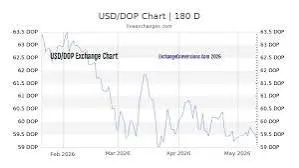
The BCRD manages monetary policy under a formal inflation-targeting framework (targeting 4.0% ± 1.0%) while deploying active FX intervention tools to dampen exchange rate volatility.
  +-------------------------------------------------------------------+
  | External Shock / Sudden Commercial USD Demand Imbalance           |
  |  ---> BCRD Executes Spot Dollar Sales via Electronic Platform     |
  |  ---> Absorbs Excess Peso Liquidity & Caps Upward Spikes          |
  +-------------------------------------------------------------------+
  | Peak Tourism / High Capital Inflow Windows                        |
  |  ---> BCRD Accumulates Foreign Currency Reserves                  |
  |  ---> Dampens Rapid Appreciation & Protects Export Competitiveness|
  +-------------------------------------------------------------------+
FX Intervention Toolkit
-
Electronic Desk Execution: The central bank actively buys or sells US Dollars directly through its electronic platform (Plataforma FX) to absorb order-book imbalances.
-
Reserve Accumulation: Backed by foreign exchange reserves, the BCRD maintains strong policy credibility. This presence suppresses speculative volatility, ensuring USD/DOP moves along a gradual, controlled crawling depreciation path aligned with long-term inflation differentials.
4. Import Liabilities: Energy Price Sensitivity and Free Zone Offsets
Despite strong service inflows, the Dominican Republic remains a net importer of energy, including refined petroleum and natural gas.
-
Fuel Import Drags: Spikes in global crude oil prices expand the national import bill, requiring large commercial USD conversions on local spot desks that absorb excess Dollar liquidity.
-
Free Trade Zones (Zonas Francas): Offsetting energy import costs, the rapid expansion of high-value manufacturing in Free Trade Zones—such as medical devices, electronics, and apparel—provides a diversified, growing stream of export-driven foreign exchange revenues.
Desk Execution and Strategy Guidelines
Execution ParameterStrategic GuidelinePeak Liquidity WindowOnshore Santo Domingo hours (13:00 – 17:00 UTC). Spreads widen noticeably outside local interbank operating hours.Macro Indicators to MonitorUS labor market data (key driver for remittance volumes), global oil prices ($WTI/$BRENT), and local commercial lending spreads.Tactical ApproachRange-fading and yield-oriented carry strategies align well with the BCRD’s volatility-smoothing mandate. Avoid aggressive momentum-breakout entries near central bank intervention zones.

Comments
No comments yet. Be the first to share your thoughts!
Authentication Required
You must be logged in to post a comment.