

Pips, Lots, Swap, Leverage: Explaining These Scary Words in Plain English

Hi, this is NorthRay.💪
Remember when I opened that very first 0.01 lot trade? I looked at the trading terminal and saw a bunch of confusing words:
— Pip
— Swap
— Leverage
— Margin
— Lot
I felt like someone sitting in the cockpit of an airplane where all the buttons are labeled in Chinese. Looks impressive, but you have no idea what to press.
For the first two weeks, I just ignored those words. I only watched the green profit and the red loss.
But then I realized: without understanding these terms, I’m not controlling the trade — the trade is controlling me.
So I decided to figure it out. No smart textbooks. No formulas with three-story fractions.
Now I’ll explain it the same way I understood it myself. In simple terms. With everyday examples.🥶
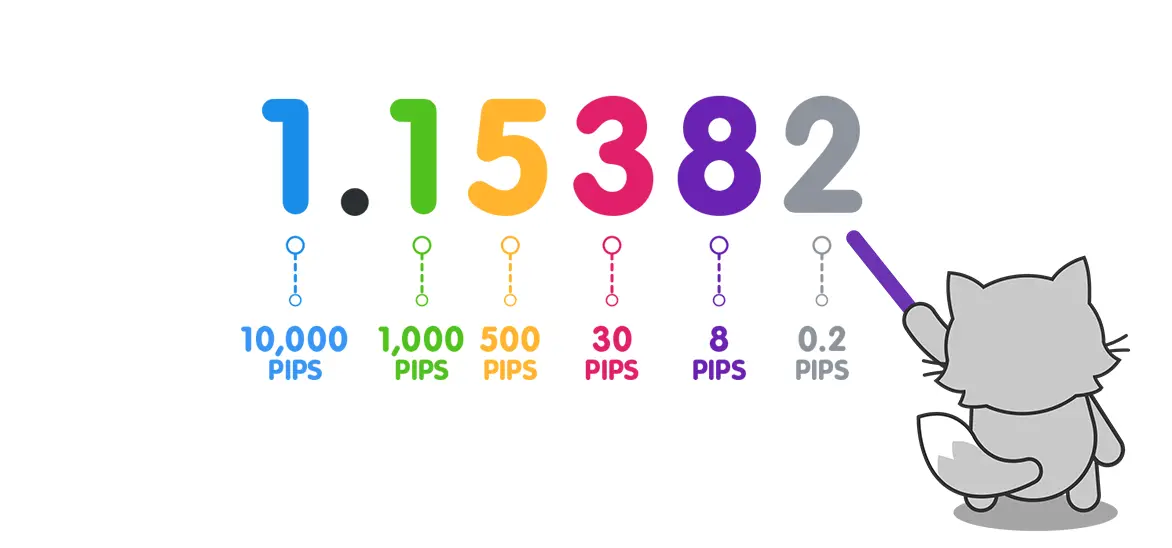
Pip — the smallest unit of pain and joy
What it is:
A pip is the smallest price movement. The tiniest movement on the chart.
In simple terms:
Imagine you’re looking at the price of a kilogram of potatoes.
— The price changes from $50.00 to $50.01 — that’s basically 1 pip in Forex.
It’s a microscopic change. Usually, 1 pip is the fourth or second decimal place, depending on the asset.
Why you should care:
When you see “profit +237 pips,” it means the price moved 237 tiny steps in your direction.
More pips = more money. But the value of each pip depends on your lot size.
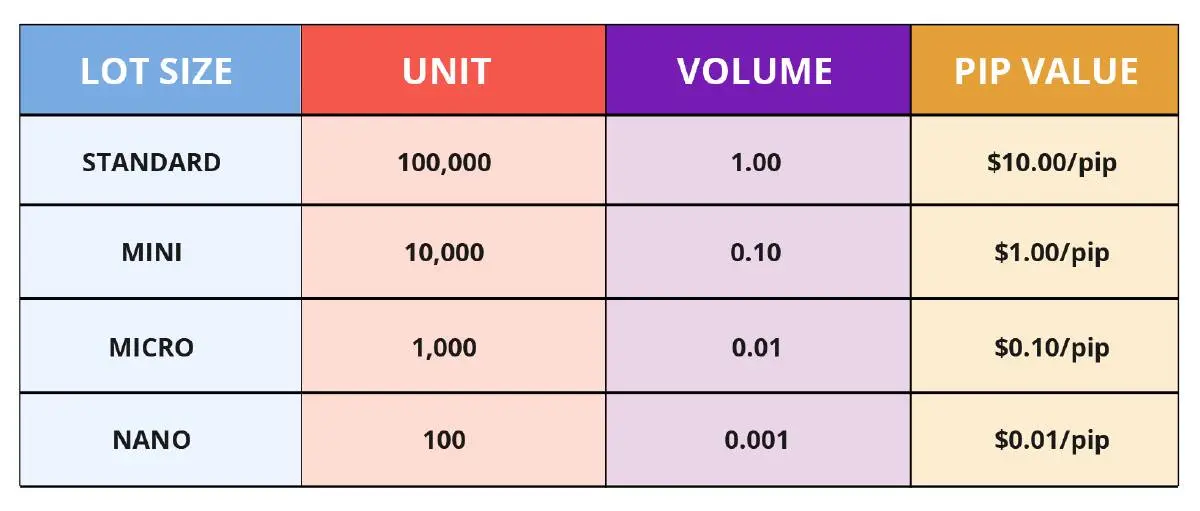
Lot — how much money you’re putting on the line
What it is:
A lot is your position size. How many “kilograms” you’re buying.
In simple terms:
At a store, you can buy 1 kg of apples or 10 kg. Bigger amount = more money and more risk.
In Forex:
— 1 standard lot = 100,000 currency units. That’s for pros — I don’t even look there.
— 0.1 lot = 10,000 units. More interesting.
— 0.01 lot = 1,000 units. My favorite size. The minimum.
What I do:
I trade with 0.01 lots. Why?
Because then 1 pip is worth about 10 cents. I can be wrong by 100 pips and lose only $10 on demo. But if I traded 1 full lot, I’d lose $1,000.
A lot size is your brake pedal. The smaller the lot, the softer you crash into the wall. Beginners need the smallest lot possible.
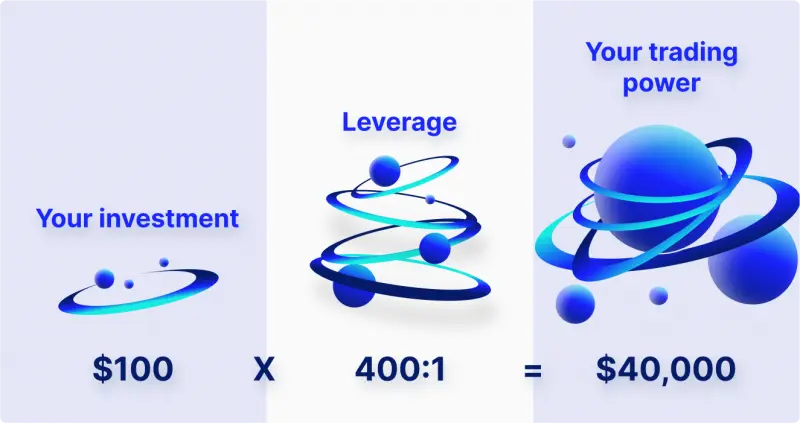
Leverage — a stick that makes your arms longer
What it is:
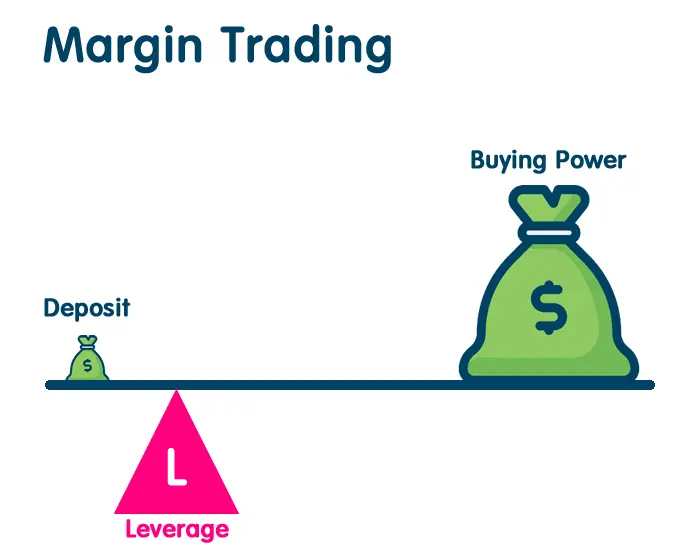
Leverage is money the broker temporarily lends you for a trade. You’re not only using your own money — you’re borrowing.
In simple terms:
You have $100. You want to buy a car worth $1,000.
The broker says:
“I’ll give you the other $900. Your $100 is collateral. If the car loses $100 in value, I’ll take it back because now my money is at risk.”
That’s 1:10 leverage — for every $1 of your own money, you control $10.
Why it’s awesome — and dangerous:
Awesome: you can make big profits with little money.
Dangerous: you can lose everything VERY quickly.
With 1:100 leverage, if the market moves 1% against you, you can lose your entire account. Not half. Everything.
My choice:
My broker, InstaForex, offers 1:1000 leverage. But I DON’T use it.
I set leverage to 1:100 and trade the minimum lot size. That way I can sleep peacefully knowing a random market move won’t destroy my account in a minute.
Beginners: use small leverage. You’re not The Rock lifting a ton of steel.
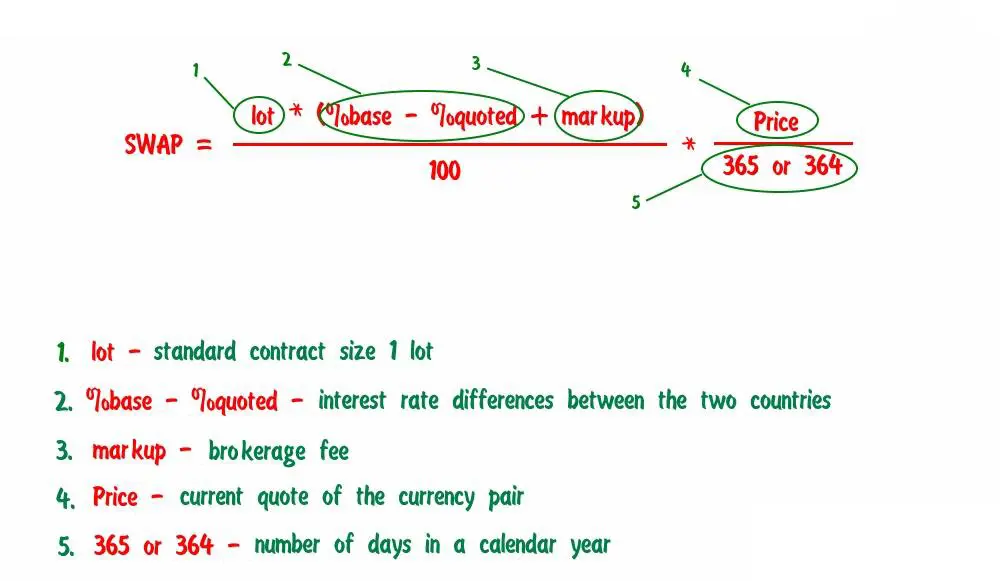
Swap — the fee for not closing your trade
What it is:
A swap is a commission the broker charges if you keep a trade open overnight.
In simple terms:
You borrow a book from a library. You promise to return it tomorrow. But you don’t.
The library says:
“You can extend it, but pay a small fee.”
That fee is the swap.
There are two kinds:
— Positive swap — the broker PAYS you for holding the trade. Rare, but it happens.
— Negative swap — you pay the broker.
What I do:
I trade on demo, so I don’t care yet. But when I switch to a real account, I’ll pay attention.
Usually swaps are small. On a 0.01 lot trade — just pennies. But if you hold trades for a month, it adds up.
Beginner tip: while learning on demo, forget about swaps completely. When you go live, just remember that holding trades overnight costs something.
Margin — your security deposit
What it is:
Margin is the amount of money the broker locks on your account while the trade is open. You can’t withdraw or use it.
In simple terms:
You check into a hotel. The receptionist says:
“We’ll hold a $100 deposit during your stay. Don’t break the TV and you’ll get it back.”
That’s margin.
When you close the trade, the margin is released back to your account.
Why this matters:
If your deposit is small and you open too many trades, all your money gets locked as margin. No free funds left. You can’t survive drawdowns because all your money is already “occupied.”
My rule: I use no more than 2–3% of my deposit as margin. The rest stays available just in case I need to survive a bad trade.
How all of this works together in one trade
Let’s use an example. Suppose I’m on demo:
— Deposit: $1,000 virtual dollars
— Leverage: 1:100
— I open a 0.01 lot trade (1 pip = 10 cents)
— Margin required: about $1. Funny — I barely noticed it.
Then the price moves 50 pips against me.
— Loss: $5
— Overnight swap: minus 2 cents
— I close the trade, margin returns to the account.
Final result: minus $5.02.
Painful? No. It’s demo.
But if I had traded 1 full lot with 1:1000 leverage, I could’ve lost hundreds of dollars.
Understanding these 5 words saved me money — even on demo.🤔
The main takeaway
These words aren’t scary. Traders just love inventing complicated terms to sound cooler than ordinary mortals.
In reality, it’s simple:
— Pip = a tiny price step
— Lot = the size of your bet
— Leverage = how hard you can fall
— Swap = overnight fee
— Margin = frozen collateral
I’m not a super trader. I’m the same beginner who was afraid to press the button two weeks ago.
But once I understood these words, the trading terminal stopped feeling like an enemy spaceship. It became just another working tool.
If these 5 words used to scare you too — now they don’t have to.
Read this post again and imagine potatoes, a hotel, or a library.
It really does make things easier.🤝
— Your NorthRay
(with an open 0.01 lot trade, 1:100 leverage, and a calm understanding of what I’m doing)

Comments
No comments yet. Be the first to share your thoughts!
Comments only for logged-in users.